2026 Mesa AC Maintenance Pricing Breakdown: Parts, Labor & Hidden Fees
Flat-rate pricing with a 2-year guarantee protects you from surprise hourly charges when Mesa AC systems run double the national operating hours.
Flat-Rate vs. Hourly: How JB Water & Air’s 2-Year Guarantee Locks In Your Total
When a Mesa AC maintenance company charges hourly, a straightforward tune-up can quietly expand — HVAC labor rates run $75–$150 per hour nationally, with the 2026 average landing around $104/hr.[1][2] One dirty evaporator coil or a loose contactor connection is all it takes to turn a budgeted appointment into a larger bill. Flat-rate pricing eliminates the variable: you receive a fixed total before any panel comes off, and customers consistently choose companies offering it because they know exactly what they’ll pay upfront.[3] JB Water & Air prices AC maintenance as a flat rate and backs every covered repair with a 2-year guarantee — so if a tested component fails inside that window, there’s no second hourly charge to fix it. That combination matters most in Mesa summers, where a failing capacitor at 115°F isn’t a scheduling convenience; it’s an emergency with no room for billing surprises.
| Pricing model | What you know upfront | Who absorbs overruns | Best fit |
|---|---|---|---|
| Hourly | Service call fee only | You do | Complex diagnostics, unpredictable faults |
| Flat-rate (other companies) | One quoted total | Contractor does | Standard tune-ups, routine maintenance |
| JB Water & Air flat-rate + 2-yr guarantee | One quoted total, zero callback cost | Fully covered | Pre-summer Mesa AC maintenance |
Extras You’ll See on 80% of Mesa Invoices (and Which Ones JB Water & Air Waives)
Choosing a maintenance quote on price alone is a reasonable starting instinct — until you factor in that Mesa units log roughly 3,000 operating hours per year, about double what a system in a milder climate handles.[7] At that usage rate, a skipped capacitor test or an uninspected coil isn’t a minor oversight; it’s a potential mid-July failure where same-day AC repair adds emergency labor on top of parts costs. Annual maintenance typically runs $75–$150 booked in the off-season, but a full system replacement lands between $5,000 and $10,000 — making the cost of skipping a thorough tune-up far exceed what a slightly higher quote would have cost.[8] The table below maps the key decision points Mesa homeowners face when comparing a rock-bottom quote against one built around long-term system health.
| Decision point | Price-only approach | Value-focused approach |
|---|---|---|
| Quote transparency | Service-call fee only; extras billed after the visit | Flat-rate total quoted before any work starts |
| Inspection scope | Filter swap, basic visual check | Multi-point test covering capacitor, contactor, coils, and refrigerant pressure |
| Refrigerant handling | Recharge offered without confirming a leak source | Leak confirmed and documented before refrigerant is added |
| Callback policy | New labor charge if a tested part fails | Covered under guarantee window; no second bill |
| After-hours labor rate | Standard hourly rate applies ($70–$155/hr)[1] | Flat-rate pricing holds regardless of time of day |
| Long-term cost exposure | Higher — undetected faults compound between visits | Lower — minor issues caught before they escalate to replacement |
The clearest signal that a quote leans price-only is a low headline number paired with vague language like “full tune-up” or “complete inspection” without itemizing what gets tested. Value-focused quotes list every component checked, state what’s included if something fails during the visit, and explain the callback policy before you sign anything. In a Mesa summer, the difference between a system fully inspected and one that got a cursory look shows up fast once temperatures climb past 110°F — and at that point, regular annual maintenance that prevented the breakdown pays for itself many times over.[8]
The $5,000 Rule, 3-Minute Rule & Other Rules Mesa Homeowners Ask About
The $5,000 rule works best as a starting point, not a final answer — pair it with your system’s refrigerant type and efficiency rating for a real repair-versus-replace decision.
Does the $5,000 Rule Still Make Sense at 2026 Energy Prices?
The $5,000 Rule is a repair-versus-replacement formula: multiply your system’s age in years by the cost of a needed repair.[10] If the result clears $5,000, replacement generally makes more financial sense; fall below it, and repair is likely still worth the investment.[10] The arithmetic is straightforward — a 12-year-old unit needing a $600 capacitor job hits $7,200, pointing toward replacement; the same $600 repair on a 5-year-old unit lands at $3,000, comfortably in repair range.[11] The logic behind the formula still holds. The fixed $5,000 threshold does not.
The core problem is that the threshold was calibrated when replacement costs were near that number. In 2026, an installed AC replacement runs $6,460–$14,970 for most homes, and full heating-plus-cooling replacements can exceed $20,000.[9] Applying a $5,000 ceiling without anchoring it to actual replacement cost can push homeowners toward repairing units that have genuinely crossed into replacement territory — or, in the opposite direction, away from a repair that still makes clear economic sense.[9] The rule functions best as a starting filter, not a final verdict.[9]
Two factors the formula ignores are particularly relevant in Mesa. First, refrigerant: systems built before 2010 run on R-22, which is no longer produced, meaning any repair that touches refrigerant on those older units carries costs the age-times-repair math simply can’t model.[11] Second, efficiency: upgrading from an aging SEER 9 system to a modern SEER2 14 or higher unit cuts cooling energy consumption by over 35% — monthly savings that begin working against the replacement price from the very first APS bill.[11] For Mesa homeowners using the rule to evaluate a pre-summer repair quote, an HVAC maintenance inspection can surface the refrigerant type, efficiency rating, and repair history needed to make the formula actually useful rather than misleading.
The 3-Minute Rule Explained with a Simple Mesa Summer Scenario
The rule itself takes seconds to explain: after your AC shuts off — whether from a thermostat cycle, a manual switch, or a power outage — wait at least three minutes before restarting it.[12] When the system stops, refrigerant pressure doesn’t equalize immediately; one side of the circuit stays at high pressure while the other drops.[13] Forcing a restart before that balance restores makes the compressor push against trapped high-pressure refrigerant, straining the motor and potentially drawing liquid refrigerant into the compressor — a condition called liquid slugging that builds into mechanical failure over time.[12]
What skipping the wait actually looks like in a Mesa July: a haboob rolls through at 6 p.m., power cuts out for 90 seconds, then returns. The thermostat reads 109°F inside and you flip the AC back on immediately. A single fast restart is unlikely to cause immediate failure — the damage is cumulative.[13] Compressors on systems that experience repeated hard starts develop consistent wear patterns well before the homeowner notices a problem, and the compressor is the most expensive single component in most AC systems.[12] Three minutes of patience after any unplanned shutdown is genuinely one of the lowest-effort, highest-return habits a Mesa homeowner can build — especially during monsoon season, when power flickers are routine and the urge to restore cooling is immediate.[12]
Most modern thermostats include a built-in anti-short-cycle delay — typically two to five minutes — that enforces the pause automatically.[13] If you lower the thermostat setting and nothing happens right away, that delay is working as designed.[13] The gap in protection appears during breaker resets and power outages, which can bypass the control board entirely and put the three-minute decision back in your hands regardless of how new the system is.[12] Units without digital controls have no built-in delay whatsoever, so every restart is manual by default, and the habit is entirely yours to maintain.[14]
How Often Should You Service? — A Schedule Based on Unit Age & Dust Storm Exposure
Mesa’s baseline maintenance schedule starts at twice a year — not the once-a-year standard that applies in milder states — because desert dust clogs coils faster, and a system running around 3,300 annual hours accumulates debris at roughly double the rate of a unit in a moderate climate.[17][15] That baseline assumes average exposure. Unit age and haboob frequency both push the number higher, and homes with pets or residents managing allergies should increase frequency regardless of outdoor conditions, since pet hair and dander reach the evaporator coil faster than most outdoor particulates.[15] The table below maps those variables so you can find the right schedule without guessing.
| Unit profile | Dust storm exposure | Recommended schedule |
|---|---|---|
| Any age, no pets, standard home | Low (interior lot, infrequent haboobs) | Once a year, before summer peak[15] |
| Any age, no pets, standard home | High (open lot, frequent haboobs) | Every 6 months: spring and fall[15] |
| Any age, pets or allergy occupants | Low or high | Every 3 months[15] |
| 10–15 years, efficiency declining | High dust exposure | Every 6 months minimum; inspect coils after major storms[15] |
| 15+ years, pre-2010 unit (R-22) | Any exposure level | Every 6 months; evaluate replacement at each visit[15] |
After any significant dust storm, clearing debris from around the condenser fins and checking for visible clogging buys time until the next professional visit without replacing it entirely.[15] Pairing that habit with MERV 8–11 filters changed every one to three months is the lowest-cost way to slow coil buildup between scheduled calls, especially on units already running a twice-a-year schedule.[15] Pre-2010 systems benefit most from consistent scheduling — a missed maintenance visit that leads to a refrigerant leak on an R-22 unit turns an affordable tune-up into a much larger financial decision, since that refrigerant is no longer produced and supply constraints keep driving the cost per pound up.[15] Businesses in Phoenix running preventative maintenance programs experience 20–30% fewer emergency repairs than those that wait for something to break, and the same logic applies to residential units in Mesa that log comparable hours under comparable heat.[16]
What Mesa’s 2026 Pre-Summer Tune-Up Should Actually Include
A proper pre-summer tune-up checks all 21 system points, including the two that prevent most Mesa summer breakdowns: capacitors and condensate lines.
JB Water & Air 21-Point Essentials
A tune-up’s value is determined entirely by what gets checked — not what the invoice calls itself. Every component in an AC system operates as part of one connected process, so a fault in the electrical side degrades refrigerant performance, a blocked coil strains the motor, and a clogged condensate line creates water damage nobody notices until the next visit.[18] A proper pre-summer Mesa AC maintenance visit should cover all 21 points below.
- Inspect electrical wiring for proper ratings and secure connections
- Tighten all electrical connections and check for loose terminals
- Verify safety controls including thermostat and emergency shut-off switches
- Calibrate thermostat for accurate temperature control
- Confirm refrigerant levels against manufacturer spec
- Inspect refrigerant lines for wear, kinks, or signs of leaking
- Inspect indoor evaporator coil and clean as needed
- Inspect and clean outdoor condenser coil
- Straighten bent coil fins using a fin comb to restore airflow
- Check air filter and replace if restricted
- Test capacitor output against rated specs
- Inspect contactor for pitting, arcing, or burning
- Test fan motor performance under operating load
- Lubricate all moving mechanical parts
- Inspect blower belt for condition and proper tension
- Inspect ductwork for blockages and airflow restrictions
- Clean condensate drain line and clear drain channels
- Remove debris from around the outdoor condenser unit
- Verify at least two feet of clearance around the outdoor unit
- Run full system performance test under load
- Document findings in a written condition report
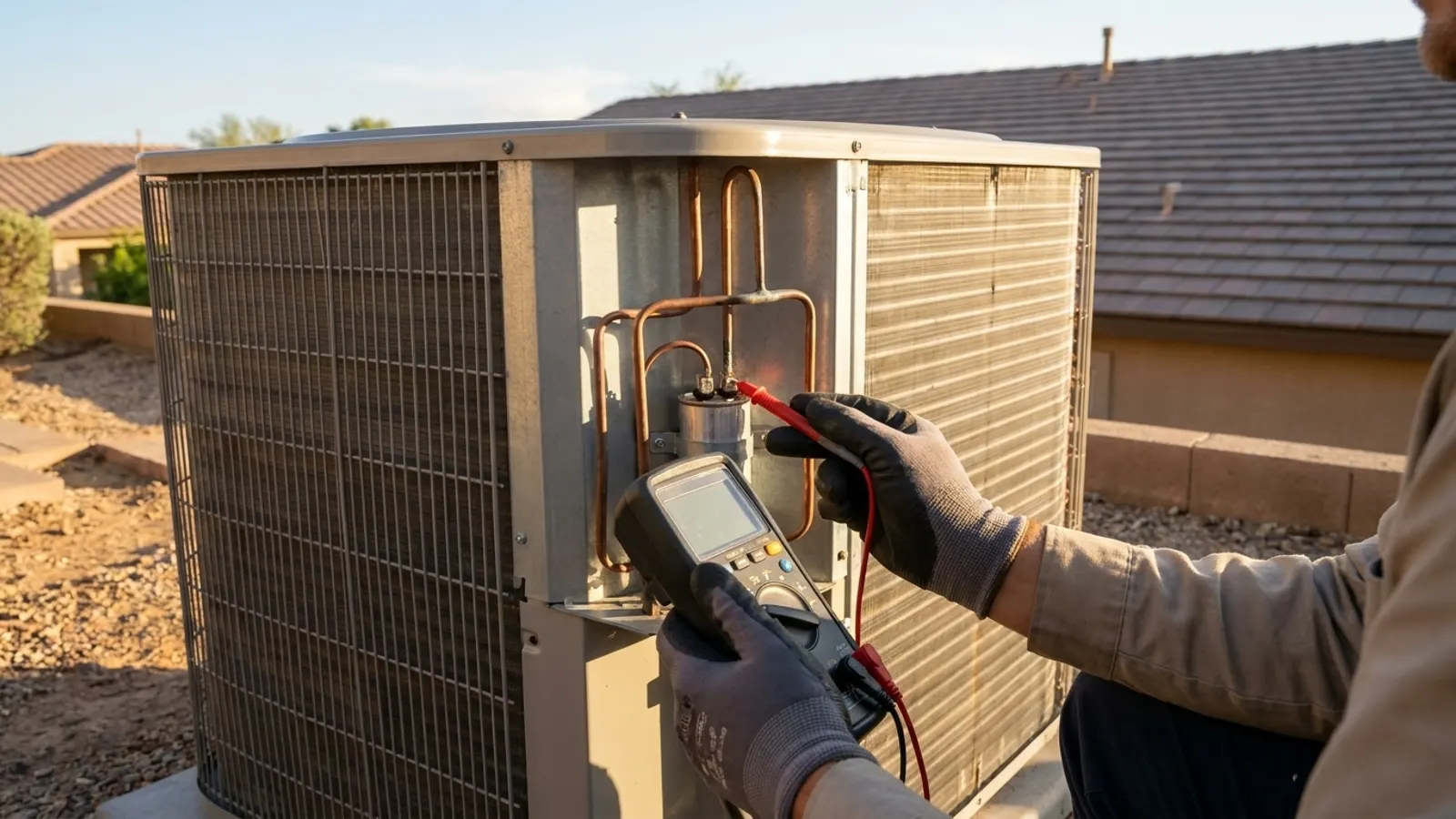
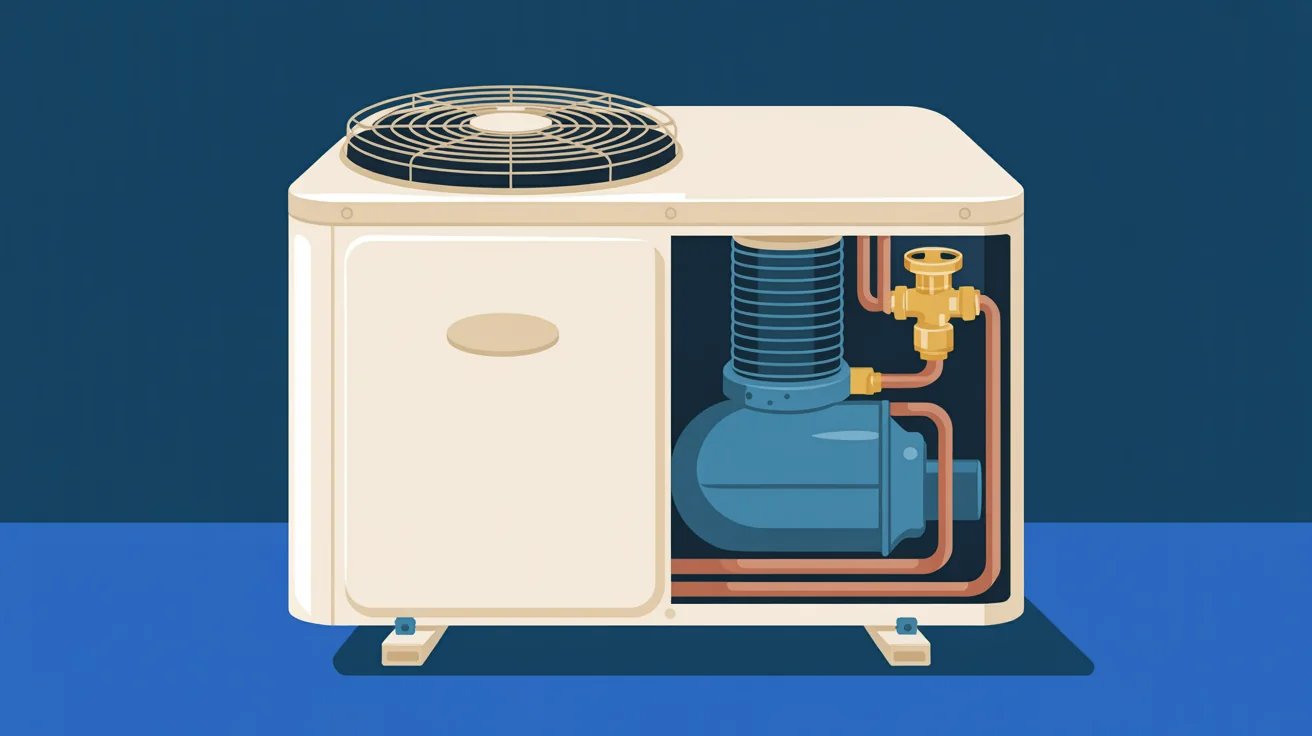
Two points on that list carry disproportionate weight in Mesa specifically. Capacitor failure is the leading cause of no-cool calls on hot summer days, and the test takes less than two minutes with a multimeter — yet coupon-priced tune-ups frequently skip it.[18] Condensate drain cleaning matters because Mesa’s dust loads the drain pan with particulates faster than in humid climates, and a backed-up drain triggers a float switch that shuts the system off entirely, often at the worst possible hour.[18][19] Regular maintenance that catches both of those issues before June heat arrives can prevent repairs that cost 10 to 20 times more than the tune-up itself.[18]
Blower Door & Duct Leakage Add-Ons — When They Pay Off in 115°F Heat
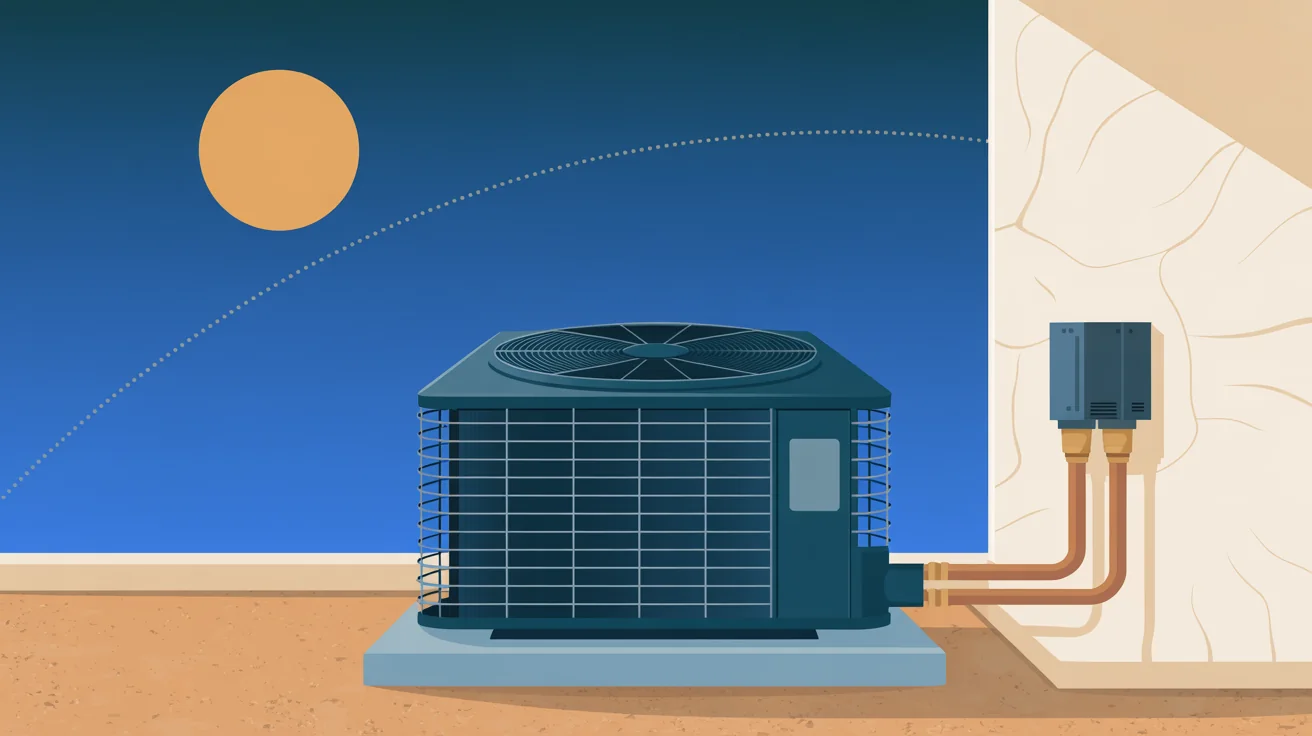
Mesa’s duct problem is partly a geometry problem: most residential ducts run through attics that hit 130°F or higher during peak summer, meaning any gap in the system trades conditioned air for superheated attic air before it reaches a living space — and simultaneously pulls hot, dusty attic air back into circulation.[24] In a typical home, roughly 20% of the air moving through the duct system escapes through gaps from improper installation, a loss that a mild climate absorbs without much consequence and a desert climate turns into a significant monthly bill.[25] A blower door test pressurizes the envelope to find those gaps; a duct leakage test isolates which runs are bleeding the most. Testing runs $100–$450 depending on home size and access complexity, while qualified repairs typically fall between $300 and $1,500.[25]
The add-on earns its cost fastest on two home profiles: houses built before 2000, when duct sealing standards were looser, and any home where room temperatures vary more than 2–3°F even with the thermostat holding steady.[26] If rooms cool evenly and your system’s static pressure is within spec, duct testing is a lower-priority spend — hold it for the next visit and put the budget toward the electrical and refrigerant side. For homes that do qualify, SRP’s Duct Test and Repair Rebate covers 75% of repair costs or up to $400, which fundamentally changes the payoff calculation.[25] Booking duct leakage testing alongside pre-summer AC maintenance means a single technician visit covers both scopes, any leaks get documented before peak cooling load hits, and the SRP rebate application has a completed contractor report to attach.
Cost-Smart Timing: When to Book in Mesa to Avoid Peak-Season Surcharges
Booking your AC tune-up in April saves $20–$50 and ensures thorough inspection without summer scheduling delays or compressed service quality.
April vs. June Pricing: The 2026 Demand Curve for Mesa Zip Codes 85201–85215
The demand gap between April and June in Mesa runs wider than national averages because Arizona’s cooling season arrives before most of the country needs AC at all. HVAC companies are busiest during summer months, so scheduling maintenance in spring consistently delivers better availability and lower rates.[27] Booking a tune-up during the shoulder season can save $20–$50 per visit compared to peak-summer pricing.[28] By June, companies covering zip codes 85201–85215 are managing emergency repair calls alongside routine maintenance simultaneously, and non-emergency tune-ups typically face 3–7 day scheduling delays.[28] That queue pressure converts to cost in two directions: elevated rates for same-day or after-hours slots, and compressed inspection time when technicians have back-to-back emergency calls queued after each routine visit.[29] April appointments face neither constraint — standard pricing holds across all service windows, and technicians have enough schedule room to run a complete inspection without rushing the electrical and refrigerant checks that prevent mid-summer failures.[29] The $20–$50 rate savings understates the full financial advantage of an April booking; the difference in inspection depth is where the real protection lives.
| Factor | April booking | June booking |
|---|---|---|
| Standard tune-up rate | At or below market average | Market rate; peak demand pushes same-day slots higher[27] |
| Scheduling availability | Same-week slots common | 3–7 day wait for non-emergency appointments[28] |
| After-hours surcharge exposure | Low | High; demand peaks alongside temperatures[29] |
| Inspection thoroughness | Full scope; no competing emergency queue | Risk of compression when emergency calls follow[29] |
| Estimated savings vs. June | $20–$50 per visit[28] | Baseline |
Pairing AC Maintenance With JB Water & Air’s Whole-Home Filter Delivery — Bundled Savings
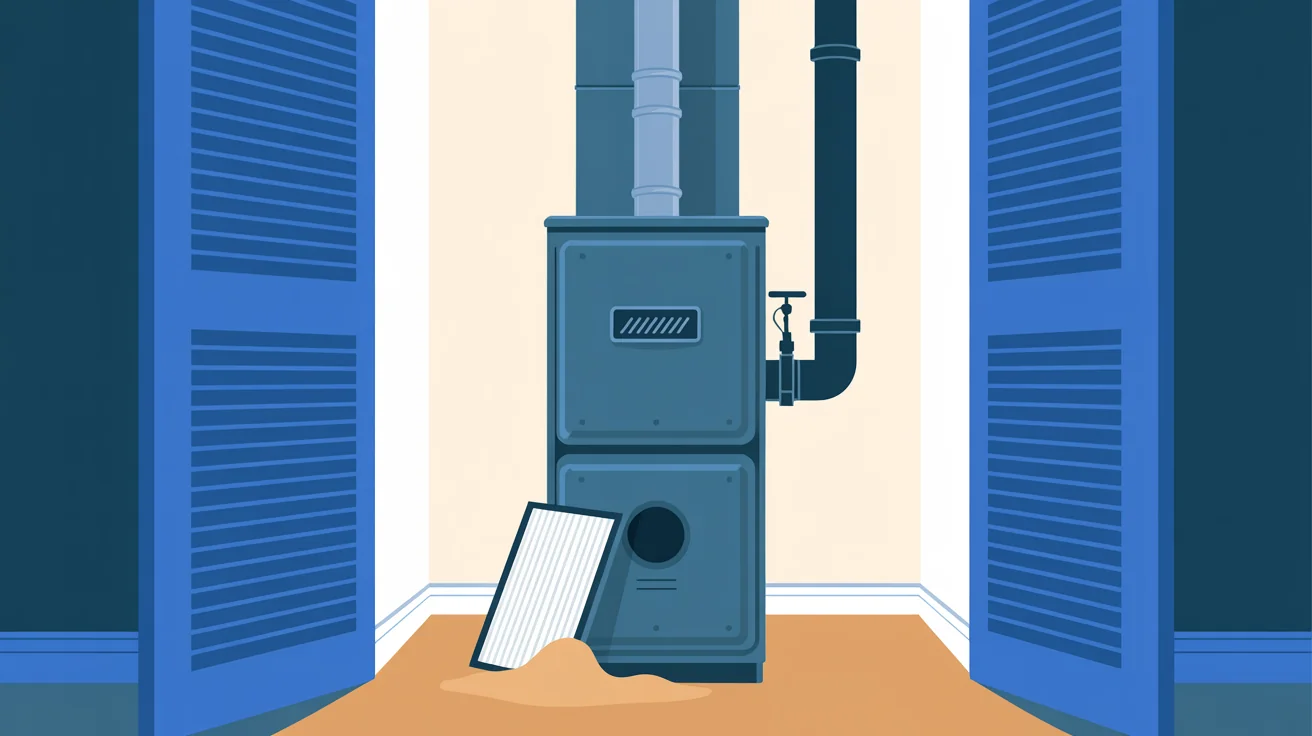
Filters are the lowest-cost AC maintenance item and the one most consistently skipped — and in Mesa, that gap has consequences. A clogged filter restricts airflow, forces the blower motor to work harder, and raises energy costs without any single dramatic failure to prompt action.[30] Standard 1″ filters need changing at least every 90 days under normal conditions, but households with pets or allergy sufferers should swap them every 30 days, and Mesa’s haboob season accelerates that timeline further regardless of pet count.[30][31] MERV 8–13 covers nearly every Mesa home profile: high enough to capture dust, pollen, pet dander, and mold spores, but low enough to avoid the backpressure that strains a blower already running near-continuous cycles through June and July.[30][31] Pairing a filter delivery schedule with a pre-summer AC maintenance appointment accomplishes something a standalone tune-up can’t: the technician confirms your system’s rated MERV tolerance at the visit, and deliveries can then be calibrated to your actual household profile rather than a one-size-fits-all 90-day default.
| Household profile | Recommended MERV | Change interval | Bundle benefit |
|---|---|---|---|
| No pets, no allergies, standard Mesa lot | MERV 8 | Every 90 days[30] | Fewer deliveries; lower per-unit spend at bulk rate[30] |
| One pet or mild allergies | MERV 11 | Every 60 days[31] | Interval confirmed at tune-up; no guesswork on timing |
| Multiple pets, asthma, or allergy household | MERV 11–13 | Every 30 days[30][31] | Monthly delivery timed to AC maintenance schedule |
| Post-haboob or high-dust-exposure home | MERV 11 minimum | Inspect after major storms; swap if visibly loaded[30] | Technician documents baseline condition at tune-up |
For homes also running a JB Green water treatment system, bundling filter delivery with annual AC maintenance creates a single service relationship covering both air and water quality — one call, one account, one visit window instead of two separate vendor relationships to manage.[30][31]
How to Lock In 2026 Prices for 2027 With JB Water & Air’s Maintenance Club
The core mechanic of JB Water & Air’s Maintenance Club is straightforward: you join at 2026 rates and those rates carry into 2027, regardless of what labor costs or refrigerant pricing does between now and next spring’s tune-up season. Industry pricing for a standard single-system membership runs $20–$30 per month ($240–$360 annually), covering two seasonal tune-ups per year and placing your household into a scheduled service relationship before any annual price adjustments take effect.[32] That scheduling piece matters as much as the rate itself — membership tune-ups are booked before peak demand arrives, which means the appointment exists before June’s emergency queue fills the calendar.[32]
Beyond price protection, membership changes how a breakdown gets resolved. Manufacturers require documented maintenance records to honor warranty coverage — a missed tune-up can void that protection and turn a covered compressor failure into a full out-of-pocket repair.[34] Membership plans typically waive dispatch fees, eliminate after-hours surcharges, and provide 10–20% off parts and labor when a repair is needed on top of a tune-up finding.[32][34]
| Membership benefit | What it means in practice |
|---|---|
| 2026 rate lock for 2027 visits | Tune-up price fixed now; no exposure to next year’s labor rate increases |
| Two seasonal tune-ups per year | Spring AC prep + fall heating check, scheduled before peak demand[32] |
| Priority scheduling | Members skip the non-emergency queue when summer call volume peaks[32] |
| After-hours surcharge waived | Emergency labor rates don’t apply to members at any hour[34] |
| 10–20% discount on repairs | Applies to parts and labor when a tune-up surfaces a needed fix[32] |
| Warranty compliance documentation | Maintenance records kept on file to satisfy manufacturer requirements[34] |
For a Mesa household running its AC roughly 3,300 hours annually, the combination of locked pricing, documented maintenance history, and guaranteed priority access makes a per-month membership fee one of the clearest-return investments in the home — the kind that pays off quietly every April instead of loudly at 10 p.m. on a July Tuesday.
Key Takeaways
- Flat-rate pricing with a 2-year guarantee eliminates surprise bills and callback charges on Mesa AC maintenance.
- Mesa systems run 3,000+ annual hours — double milder climates — making skipped tune-ups lead to $5,000–$10,000 replacements.
- The $5,000 repair-vs-replacement rule is outdated; 2026 replacements cost $6,460–$20,000, requiring current cost anchoring.
- Wait 3 minutes after any AC shutdown before restarting to prevent compressor damage from trapped high-pressure refrigerant.
- Book maintenance in April, not June, to save $20–$50 per visit and avoid 3–7 day scheduling delays during peak demand.
- A proper pre-summer tune-up must cover all 21 points, especially capacitor testing and condensate drain cleaning.
- Membership plans lock 2026 rates into 2027, provide priority scheduling, and waive after-hours surcharges year-round.
Ready for a flat-rate pre-summer tune-up backed by a 2-year workmanship guarantee? Call JB Water & Air today: (480) 969-3193
References
- https://www.homeyou.com/hvac-cost
- https://contractorplus.app/blog/hvac-pricing-guide
- https://www.housecallpro.com/resources/how-to-price-hvac-services/
- https://www.homeadvisor.com/cost/heating-and-cooling/home-ac-recharge-freon-refill/
- https://www.trane.com/residential/en/resources/blog/ac-refrigerant-recharge-pricing/
- https://callgunnys.com/blog/how-much-does-ac-repair-cost/
- https://azcomfortexperts.com/blog/ac-replacement-cost-arizona/
- https://www.ecowatch.com/hvac/hvac-maintenance-cost
- https://honestfix.com/quick-answers/5000-rule-hvac-repair-vs-replacement
- https://www.picturerockscooling.com/blog/air-conditioning-service/rule-5000-need-replace-ac/
- https://www.callperfectclimate.com/blog/ultimate-repair-vs-replace-hvac-guide
- https://www.berkeys.com/fort-worth/air-conditioning/resources/what-is-the-3-minute-rule-for-air-conditioners-and-why-does-it-matter/
- https://altruisticac.com/what-is-the-3-minute-rule-for-air-conditioners-and-why-it-can-save-you-a-costly-repair/
- https://birdwellacandheating.com/what-is-the-3-minute-rule-for-air-conditioners/
- https://www.911-ac.com/how-often-should-you-clean-your-ac-coils/
- https://www.myshyft.com/blog/commercial-hvac-preventative-maintenance-cost-phoenix-arizona/
- https://larsonairaz.com/articles/is-air-conditioner-maintenance-in-phoenix-necessary-and-how-often/
- https://www.comfort1ac.com/air-conditioning/air-conditioning-maintenance/what-does-an-ac-tune-up-include/
- https://www.energy.gov/energysaver/air-conditioner-maintenance
- https://northernairac.com/pre-summer-ac-tune-up/
- https://www.callhomerangers.com/blog/how-much-is-an-ac-tune-up/
- https://cleartheairac.com/blog/ac-cleaning-vs-tune-up-difference/
- https://www.aireserv.com/about/blog/hvac-tune-up-checklist/
- https://anyhourservices.com/arizona/blog/phoenix-hvac-surviving-arizonas-extreme-heat/
- https://www.srpnet.com/energy-savings-rebates/home/rebates/duct-test-repair
- https://www.onehourheatandair.com/west-valley/about-us/blog/2026/may/ac-unit-tune-up-services-for-phoenix-homes/
- https://www.angi.com/articles/ac-service-cost.htm
- https://hvacpricingguide.com/hvac-maintenance-cost/
- https://www.thisoldhouse.com/heating-cooling/ac-tune-up-cost
- https://www.trane.com/residential/en/resources/blog/hvac-air-filter-maintenance-guide/
- https://filterking.com/hvac-filters/best-air-filter-for-home
- https://serviceagent.ai/blogs/hvac-membership-plans/
- https://williamscomfortair.com/true-comfort-membership/
- https://www.serviceexperts.com/membership/maintenance-/