
AC tune-ups
AC maintenance in Mesa, before the summer load
A JB Water & Air tune-up measures the system, cleans what affects cooling and drainage, then measures again and leaves the readings with you in writing.
- 4.9 · 580 Google reviews
- CR-39 licensedROC #341937 · CR-39
- Since 1981Family owned since 1981
- 2-year labor guarantee2-year workmanship guarantee
Guarantee covers JB's own labor. Excludes normal wear, manufacturer defects and outside damage.
Visit record
What the visit leaves in writing
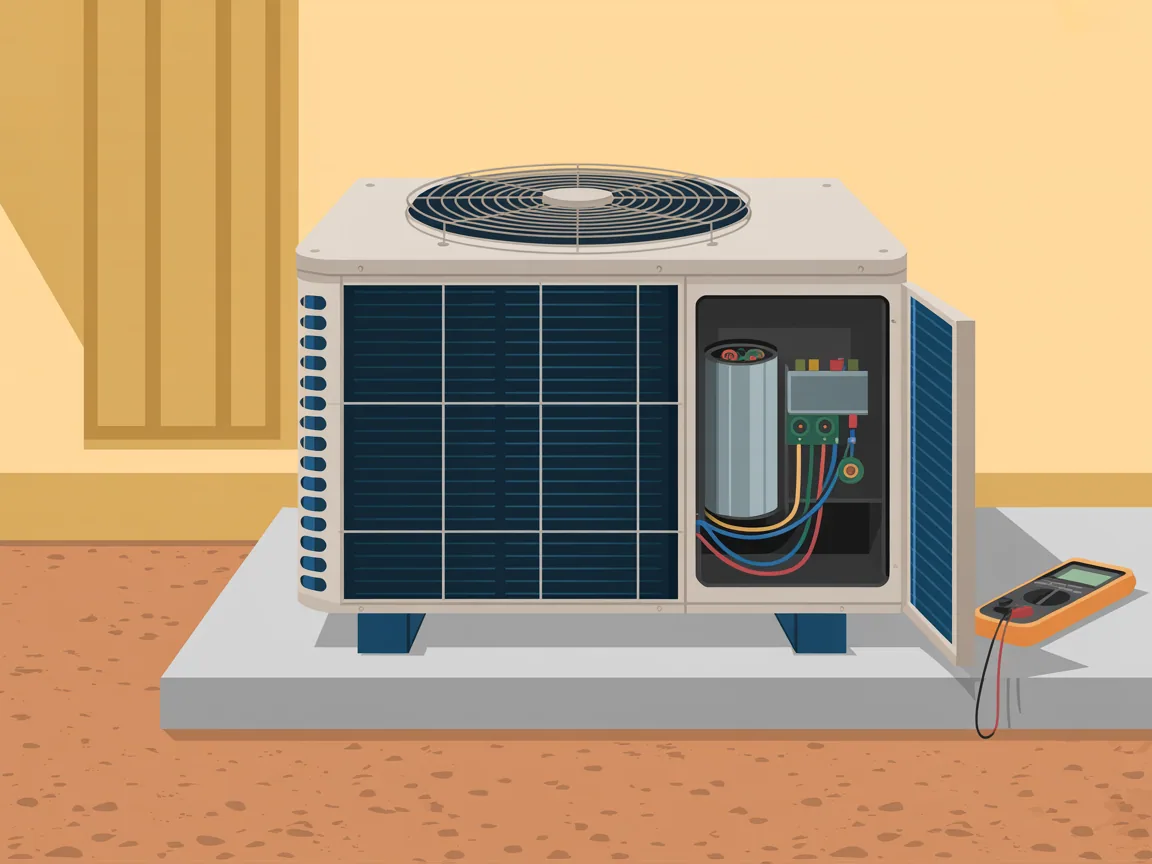
- ElectricalCapacitor against its rating
- Refrigerant circuitSuperheat and subcool
- AirflowFilter, coils, static pressure
- CondensateDrain, pan, float switch
In one paragraph
AC maintenance is a scheduled condition check on a working system: what gets measured, what gets cleaned and what gets written down, carried out before the cooling load arrives rather than after a failure.
When to book
Find the weak part in April, not in July
A failure found in mild weather is a scheduling problem. The same failure in July is a house with no cooling in the hottest week of the year, competing for a slot with everyone else in the Valley. That gap is the whole argument for booking early.
Tell it when the system was last looked at and it will point to the timing that fits an Arizona cooling season, and why that is the higher-value window.
What a visit covers
Four systems, and what gets read on each
Tune-up describes a price format more often than a scope, so ask for the list before you book. These four are what a visit should be able to tell you about afterwards, in readings rather than adjectives.
Electrical
Capacitor measured in microfarads against its printed rating, contactor condition, motor current, connections tightened. Heat is hardest on the least expensive parts, which is what a spring visit is aimed at.
Refrigerant circuit
Charge verified by superheat and subcool rather than topped up on a hunch. A closed circuit that is low is leaking, so a low reading is a finding to diagnose, not a line item to sell.
Airflow
Filter, blower, both coils and an airflow indication such as static pressure. These are the things that quietly cap capacity long before anyone calls about it.
Condensate
Primary drain run, secondary pan dry, float switch actually interrupting the system rather than merely present. This path is behind most of the summer water calls in Mesa.
Most of what decides this visit is on the invoice from the last one. Read that to us and we will tell you what is worth booking.
(480) 969-3193Reading the signs
What each of these usually means
Cooling takes longer than it used to at the same setting
Capacity is drifting. The question is which of airflow, coil condition or refrigerant circuit was actually measured, and what the reading is being compared against.
The outdoor coil is packed with fine dust after a storm season
The coil rejects the heat pulled out of the house. The question is whether it was cleaned through the fin pack or only rinsed from the outside.
The filter loads faster than it did last year
More dust is reaching the return than the interval assumes. The question is where it is entering, because a heavier filter is not the answer to a leaking return.
A stain appears on a ceiling below the air handler
Condensate is not leaving by the route it was meant to. The question is whether the primary drain, the secondary pan or the safety switch is involved.
The breaker for the outdoor unit tripped once in the heat
Something drew more current than it should have. The question is what the starting components measured afterwards, not whether it has happened again yet.
Nothing has been inspected since before last summer
There is no baseline. The question a technician cannot answer this year is how far a reading has moved, because there is nothing to compare it with.
How the visit runs
Measure, clean, then measure again
A checklist tells you what got touched. The sequence tells you whether any of it can be compared against last year, which is what turns a visit into evidence.
Step 1
Say what the system is, and when it was last looked at
The age of the equipment, the last service date and anything you have noticed since decide what a technician expects to find. Timing is settled on that call, not guessed at afterwards.
Step 2
Measure before cleaning
Readings taken first describe the condition the system was actually in. Clean the coil first and that evidence is gone for the year.
Step 3
Clean what affects heat transfer and drainage
Coils and the condensate path are where fouling shows up as lost capacity and as water where it should not be.
Step 4
Re-measure, then leave the readings in writing
What was checked, what it read before and after, and what is starting to degrade. A visit with no record is one you cannot act on or compare.
The filter in your return
Four media types, and what each one trades away
Capture and resistance move together. More media catches more dust and also makes the blower work harder for the same air, so the right choice depends on the rack and the equipment behind it rather than on the highest number on the box.
Flat panel filters
Low resistance and low capture. They protect the equipment more than the air, and in a dusty season they load quickly.
Pleated one inch filters
More media in the same rack, so more capture and more resistance. The higher rated versions can restrict a system that was not designed for them.
Deep media cabinets
Several inches of pleated media across a large face. More capture at lower resistance, but the cabinet has to exist or be added at the air handler.
Washable and electrostatic panels
Reusable, and only as good as the washing routine. A panel returned to the rack while damp becomes a problem of its own.
Request a tune-up
Get it checked before the load
Send the system details here and a JB team member calls back to confirm scope and timing. If you would rather settle it now, the number above is the shorter route.
When was the system last checked?
ROC #341937 · CR-39 air conditioning. Open 24 hours a day, 7 days a week. Family owned in Mesa since 1981.
“He came for annual system check and luckily found a problem that was caused by a power outage the previous night”
Karen Frigon · On a scheduled maintenance visit · Read it on Google: Karen Frigon's review, opens in a new window
Local detail
What a Mesa summer does to the equipment
Dust in the outdoor coil
Fine dust is worse than leaves. Leaves sit on the surface and can be lifted off. Dust travels into the fin pack, packs down as the coil wets and dries, and forms a mat that a hose aimed at the outside of the cabinet will not move. It shows up as higher operating pressures, longer run times and a power bill that climbs with no change in how the house is used.
The monsoon, and the visit almost nobody books
The National Weather Service defines the monsoon season as June 15 through September 30. Across those weeks, outflow winds and haboobs push fine dust over the whole Valley, and every condenser fan in Mesa spends the summer pulling that dust into the coil it is trying to cool. A system that measured well in April can be restricted by late September, and nobody finds out until the following May unless someone looks.
Dust inside the house
Filters load faster here than the packaging assumes, and a loaded filter is a restriction rather than a filter. If yours is gray by mid season, the interval is wrong for your home, not for the box. Dust that returns within days of cleaning usually points at return leakage or duct condition, and that question belongs with indoor air quality options instead of a heavier filter the blower cannot pull through.
The condensate path in a slab home
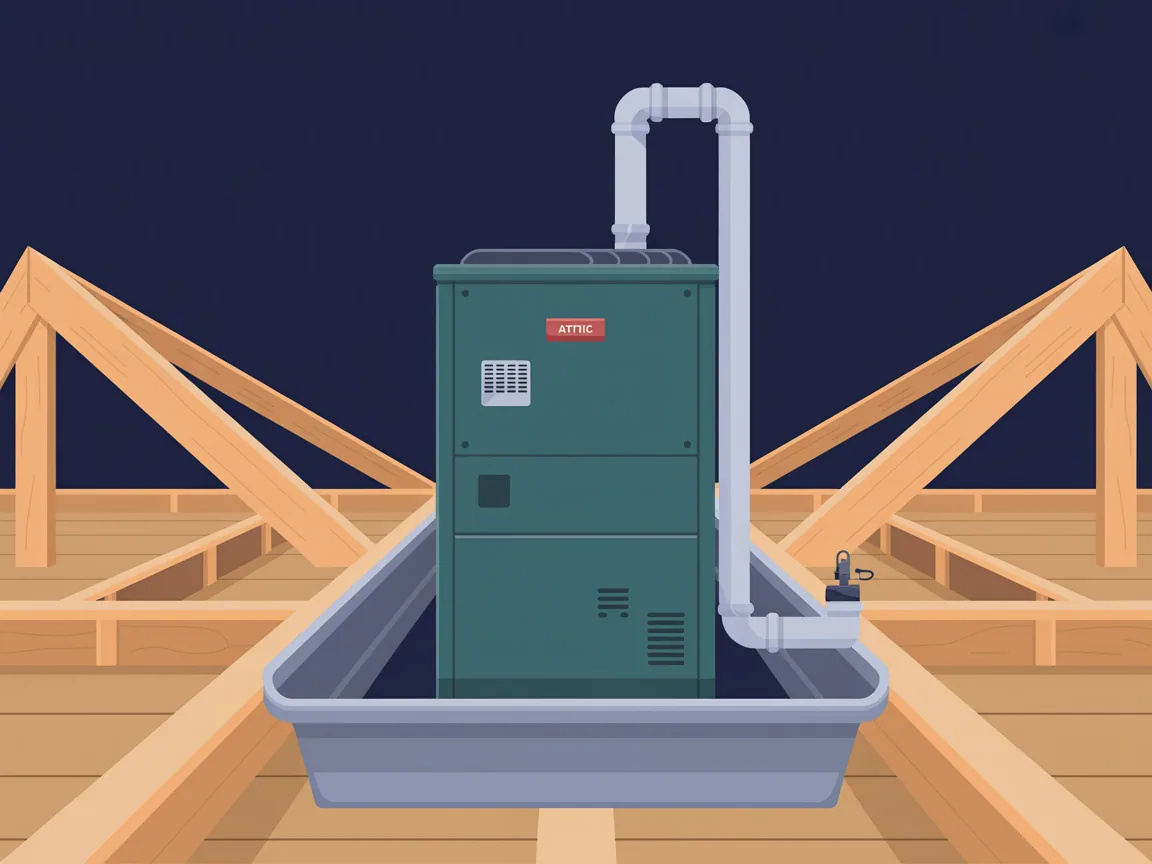
Most Mesa houses sit on a slab, so the air handler lives in the attic, the garage or a closet and the condensate line runs overhead. There is no basement for a leak to fall into harmlessly. A slow blockage in the primary drain raises water in the pan, and then either a float switch shuts the system down or a stain spreads across a ceiling. A tune-up should confirm the primary drain runs, the secondary pan is dry, and the safety switch actually interrupts the system rather than merely being present.
Older ducts in older housing stock
Much of Mesa's housing stock predates current duct practice, and the ducts are often the oldest part of a home that has been through two or three condensers. Where some rooms cool and others do not, or the equipment measures correctly and the house still will not hold temperature, ask whether the ducts were inspected before anyone recommends more capacity. The same question belongs in the AC installation and replacement conversation.
What changes the cost of a maintenance visit
No fixed scope or amount is published for this page. What moves a quote is the number of systems covered, how much is measured rather than glanced at, what cleaning is performed rather than only inspected, and what sits outside the scope. Two quotes cannot be compared until the scopes match, and what changes the cost of AC maintenance in Mesa works through that comparison in detail.
Ask before booking:
- What is inspected, what is measured, and what is cleaned?
- Is the amount for one system or for each system in the home?
- Are filters, parts, refrigerant and any repair found during the visit separate?
- How are findings documented, and what do I receive afterwards?
- Does a plan agreement change the scope? The Pure Care plan page lists the terms to confirm before enrolling.
JB warrants its own labor for two years and returns to make failed work right at no cost. That guarantee excludes normal wear, manufacturer defects and damage from outside causes, so ask how it applies to the maintenance scope and keep the service report with the job documents.
What you can safely do between visits
Change the filter on the interval your home demands rather than the one on the packaging, keep return grilles and registers unobstructed, and keep the area around the outdoor unit clear of bags, cuttings and stored items. Do not open a panel to reach anything. Note when a change in sound, cycling, airflow, odor or drainage started, because that date is often the most useful thing you can hand a technician, and a pre-summer checklist for Mesa homeowners covers what you can confirm yourself first. Turn the system off and call if water threatens electrical components, a breaker trips repeatedly, wiring looks damaged, or there is a burning smell.
Keep a record worth comparing
File the service date, reported symptoms, measurements taken, work authorized, parts installed and the next recommended check with the equipment documents. That file is what turns an eventual repair or replace decision into an evidenced one rather than a guess about age, and how long AC units last in Arizona explains how that history feeds it.
Review all Mesa HVAC services or call (480) 969-3193 to ask what a current maintenance visit includes.
Questions people ask
Straight answers
How often should an air conditioner be serviced in Arizona?
- More often than the once a year figure written for milder climates. A Mesa system can run most hours of most days from May into October, so wear accumulates in run hours rather than seasons. One visit before summer is the minimum worth having, and a second after the monsoon catches the dust loading that a spring check cannot predict.
How long does an AC tune-up take?
- Long enough to measure rather than glance, and longer where coils need real cleaning or the home has more than one system. Ask what the scope allows time for. A visit short enough to skip the outdoor coil and the condensate path has skipped the two things a Mesa summer damages most.
Does an AC tune-up prevent a breakdown?
- No, and a scope that implies otherwise is promising something it cannot deliver. What a visit can do is find wear, restriction and drainage trouble while correcting them is still cheap, and leave readings worth comparing next year. Equipment still fails, which is why the number on this page is answered 24 hours a day.
Is AC maintenance the same as an AC repair visit?
- No, and the difference matters when booking. Maintenance is scheduled inspection and upkeep on a working system. Repair is diagnosis and correction of something that has failed. Finding a fault during maintenance does not mean correcting it forms part of that visit, so ask for it to be quoted separately and take that conversation to AC repair in Mesa.
Related heating & cooling services
More on cooling from the JB team
Book the pre-summer tune-up
Tell us the system and when it was last serviced, and we will settle the timing on the call. JB answers the phone 24 hours a day, 7 days a week.