Water Heaters5 min read
How Long Does Water Heater Replacement Take?
A water-heater replacement timeline depends on access, fuel, venting, connections, permits, and upgrades. Learn what can extend the work.
By JB Water & Air · Published Apr 19, 2026 · Reviewed Sep 2, 2026
- 4.9 · 580 Google reviews
- CR-77 licensedROC #260511 · CR-77
- Open 24/7
There is no dependable two- or three-hour promise for replacing a water heater. A compatible tank in an open garage with serviceable connections is a different project from a conversion, a tight interior installation, a damaged platform, or a system needing venting, gas, electrical, drainage, or code-related changes. A plumber can estimate the schedule after confirming the existing setup and the proposed replacement.
The timeline also has two parts: installation work and recovery. The new unit may be installed before a tank has heated a full supply of water. Ask when the equipment can be safely used, not only when the installer expects to leave.
What happens during a replacement
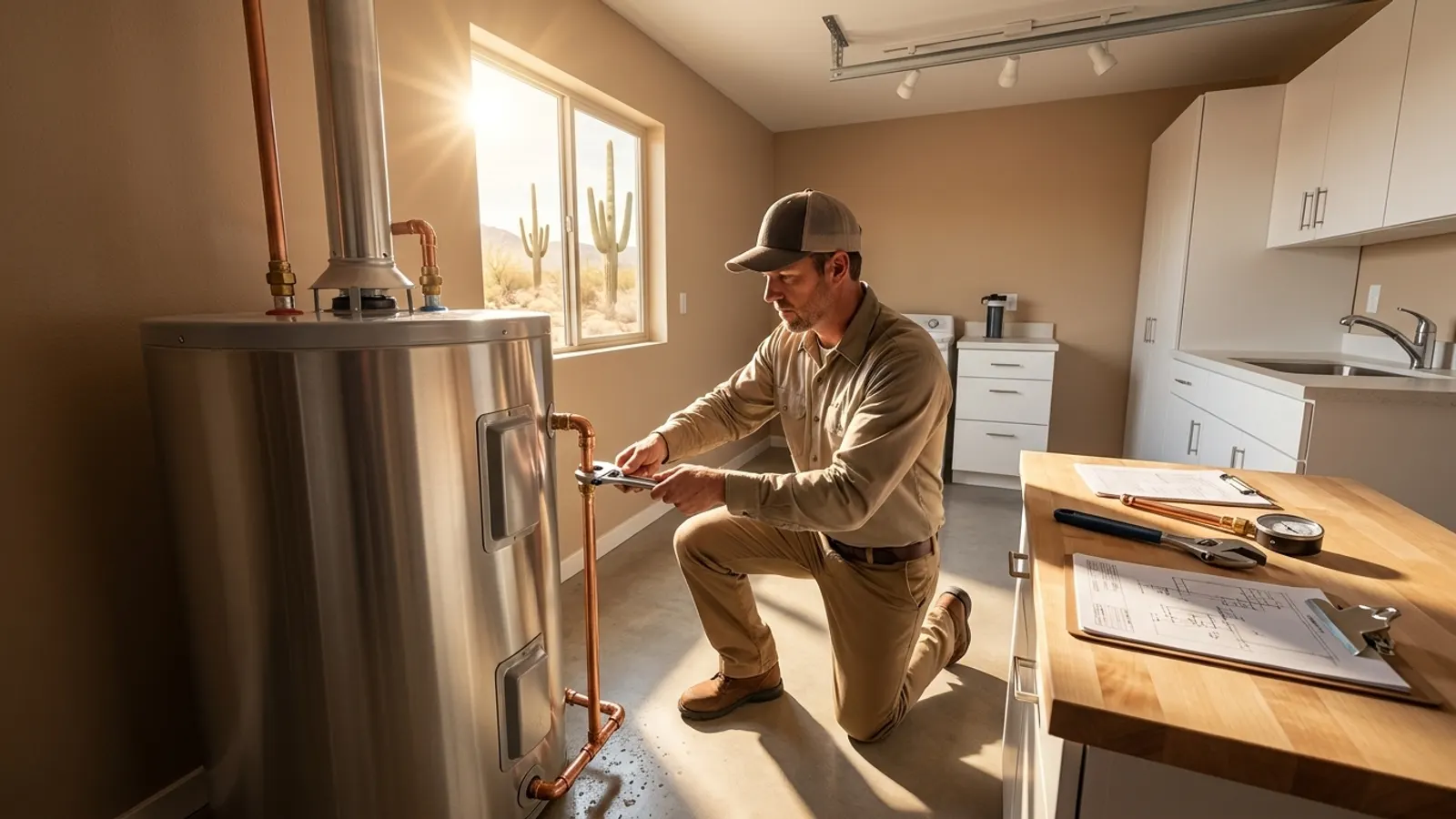
A complete scope generally moves through these stages:
- Confirm the existing unit, fuel or power source, capacity, location, access, and failure.
- Review the replacement choice and any required changes before removal begins.
- Shut down the energy source and water using the appropriate procedures.
- Drain and remove the existing equipment without damaging the property.
- Prepare the location and correct approved connection or support issues in scope.
- Set and connect the new water heater.
- Fill and purge the system, check for leaks, and place the equipment in service according to its instructions.
- Verify operation, explain controls and maintenance, and remove the old unit if disposal is included.
Each stage can be straightforward or can reveal work that was not visible during a phone conversation. That is why photos and model numbers help with planning but do not replace an on-site evaluation.
Eight factors that can extend the job
1. Changing equipment type or fuel
A like-for-like tank replacement usually involves fewer design changes than moving from tank to tankless, changing fuel source, or choosing equipment with different power, venting, combustion-air, drainage, or gas-delivery needs. A conversion should be scoped as a system project, not sold as a simple appliance swap.
2. Difficult access
Attics, closets, platforms, narrow doors, stairs, finished floors, and built-in cabinets affect removal and placement. The plumber may need a safe path, additional protection, or modifications that should be agreed upon before work begins.
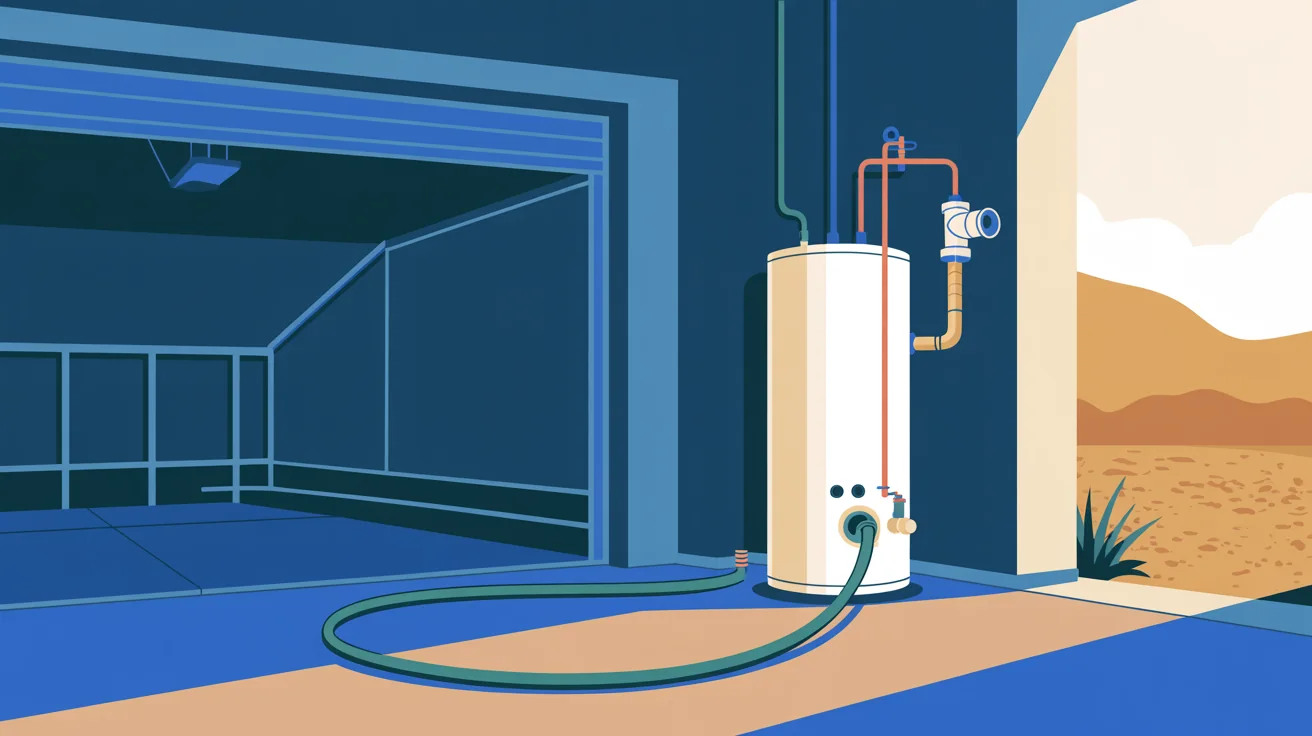
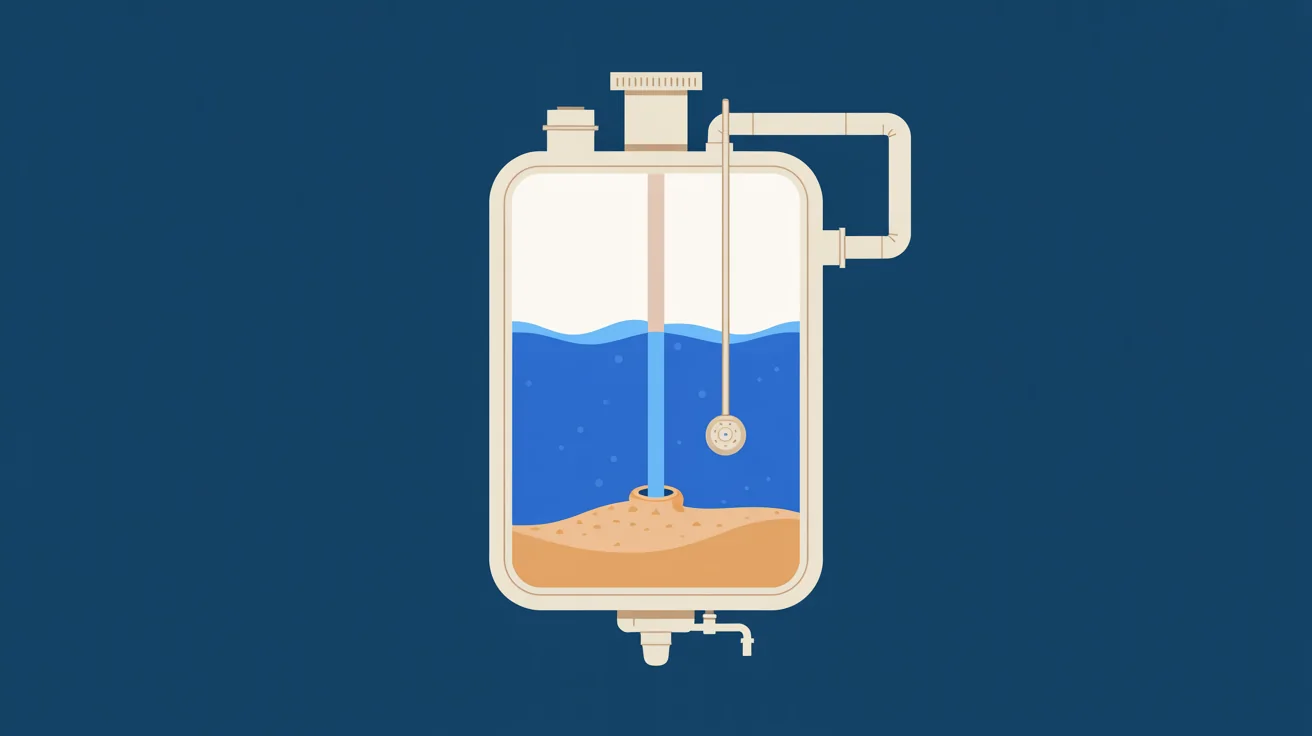
3. A tank that will not drain normally
Sediment or a damaged drain valve can slow removal. The installer still needs to control hot water, pressure, and the weight of the old tank safely. Cutting corners because a valve is obstructed can create a spill.
4. Water connections and shutoff condition
Corroded piping, a valve that does not hold, incompatible connections, or unsupported lines can change the scope. New equipment should not be attached blindly to material that cannot make a reliable connection.
5. Gas and venting conditions
For fuel-burning equipment, gas supply, shutoff, connector, combustion air, vent materials, draft path, and clearances must suit the listed installation. A change in height or vent connection can matter even when the new tank looks similar to the old one.
If anyone smells gas, leave the area and contact the gas utility or emergency services from a safe location. A water-heater appointment is not a substitute for a gas emergency response.
6. Electrical conditions
Electric equipment needs the correct circuit and disconnecting means. Some gas-fired equipment also uses electrical power. Damaged wiring, an incompatible circuit, or a conversion may require appropriately licensed electrical work and can affect the schedule.
7. Drainage, pan, support, and surrounding damage
Location and applicable requirements may call for specific drain-pan, relief-discharge, support, or protection details. A rusted platform, water-damaged floor, blocked drain route, or unsafe relief termination needs to be addressed as its own condition. Never cap or plug a temperature-and-pressure relief outlet.
8. Permits, inspections, and product availability
Requirements vary by jurisdiction and project. The provider should explain whether a permit or inspection applies and whether its timing is part of the proposed schedule. The selected model and required parts also need to be available; “same day” should not be assumed before that is confirmed.
Can hot water be restored the same day?
Sometimes a straightforward, properly planned installation can be completed in one service window. Other projects cannot. Access changes, utility coordination, additional licensed trades, permits, damaged infrastructure, a special-order unit, or a conversion can require more time.
Ask the provider these questions before relying on a date:
- Has the existing installation been seen in person or through useful photos?
- Is the new unit physically available?
- Is this like-for-like or a conversion?
- Which connection, venting, drainage, platform, or electrical changes are included?
- Does another trade, utility, permit, or inspection need to be scheduled?
- When should the household expect usable hot water after startup?
- What happens if concealed damage is found?
The clearest answer is a written scope with assumptions, not a universal number of hours.
Repair may still be worth evaluating
No hot water does not always mean the tank must be replaced. Controls, heating elements, burners, ignition components, thermostats, electrical supply, gas supply, mixing, or plumbing conditions can affect performance. A leaking tank body is different from a leaking connector or valve.
JB Water & Air’s water-heater service page outlines repair and replacement discussions. Ask the technician to identify the failure, explain whether repair is feasible, and distinguish the immediate fix from optional upgrades. For water found away from the unit, leak detection may be needed to confirm the source.
How to prepare without creating risk
Clear personal items from the access path and around the equipment, but do not disconnect gas, electricity, venting, or pressurized plumbing yourself unless you are qualified and following the applicable instructions. Keep children and pets away from the work area. Provide model and serial information, installation photos, known maintenance history, and a description of symptoms.
Tell the provider about active leakage, corrosion, unusual odor, breaker trips, soot, or prior modifications. For rapidly escaping water, review emergency plumbing options and confirm availability by phone.
Water-heater replacement planning in Mesa
JB Water & Air is a family-owned Mesa company serving the area since 1981 under Arizona plumbing license ROC #260511 (CR-77). A technician can inspect the installation, identify required changes, and provide a project-specific scope and schedule.
To plan a replacement or diagnose a hot-water problem, contact JB Water & Air at (480) 969-3193. No exact completion or restoration time should be assumed until the equipment, site, and work requirements are confirmed.