Drains & Sewer4 min read
How to Shut Off Water During a Plumbing Leak
Learn which shutoff may control a leaking fixture, appliance or whole home, when not to enter the area, and what information to give a plumber.
By JB Water & Air · Published Nov 9, 2025 · Reviewed Sep 2, 2026
- 4.9 · 580 Google reviews
- CR-77 licensedROC #260511 · CR-77
- Open 24/7
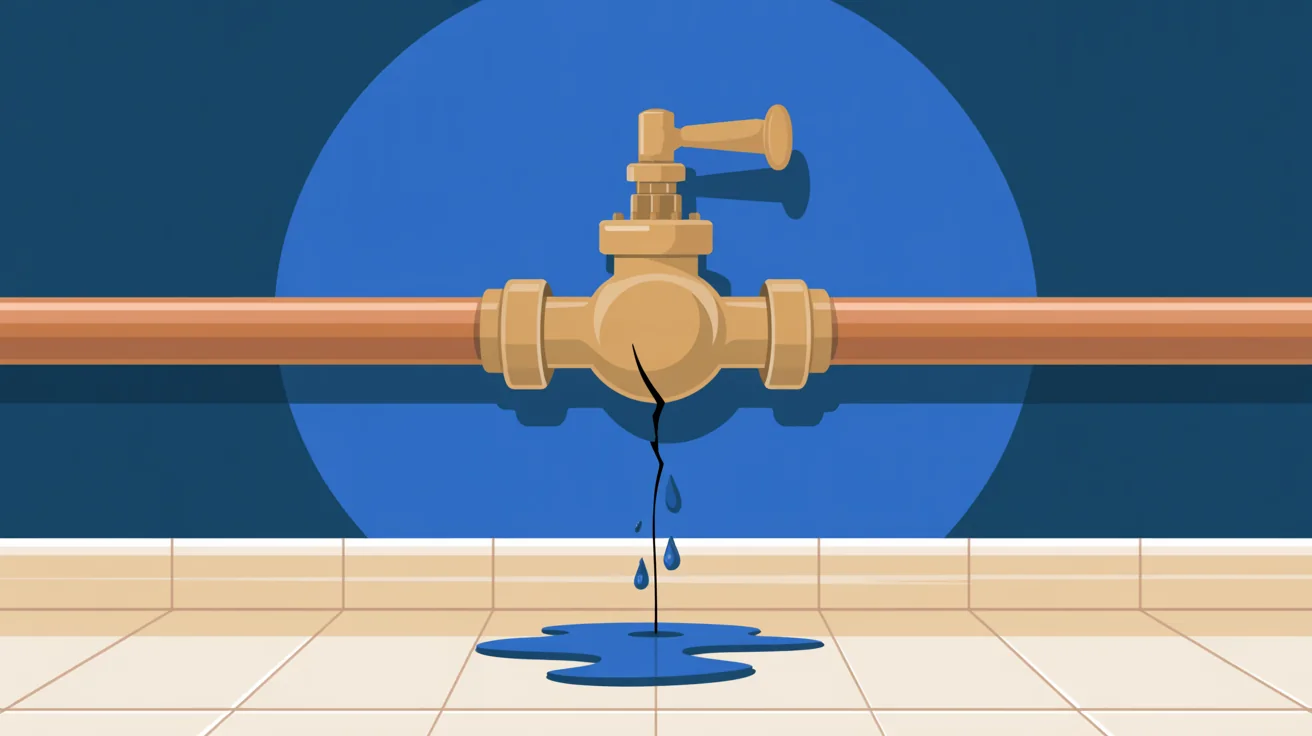
Stop the Water Only If You Can Reach the Right Valve Safely
For a leaking fixture or appliance, close the nearest working shutoff. If that does not control the flow, use the home's main water shutoff when you know where it is and can reach it without entering standing water or touching electrical equipment.
If water is near an electrical panel, outlet, appliance connection, or damaged ceiling, keep clear. For an immediate threat to life or electrical safety, contact emergency services or the appropriate utility.
Match the Shutoff to the Leak
Sink or toilet
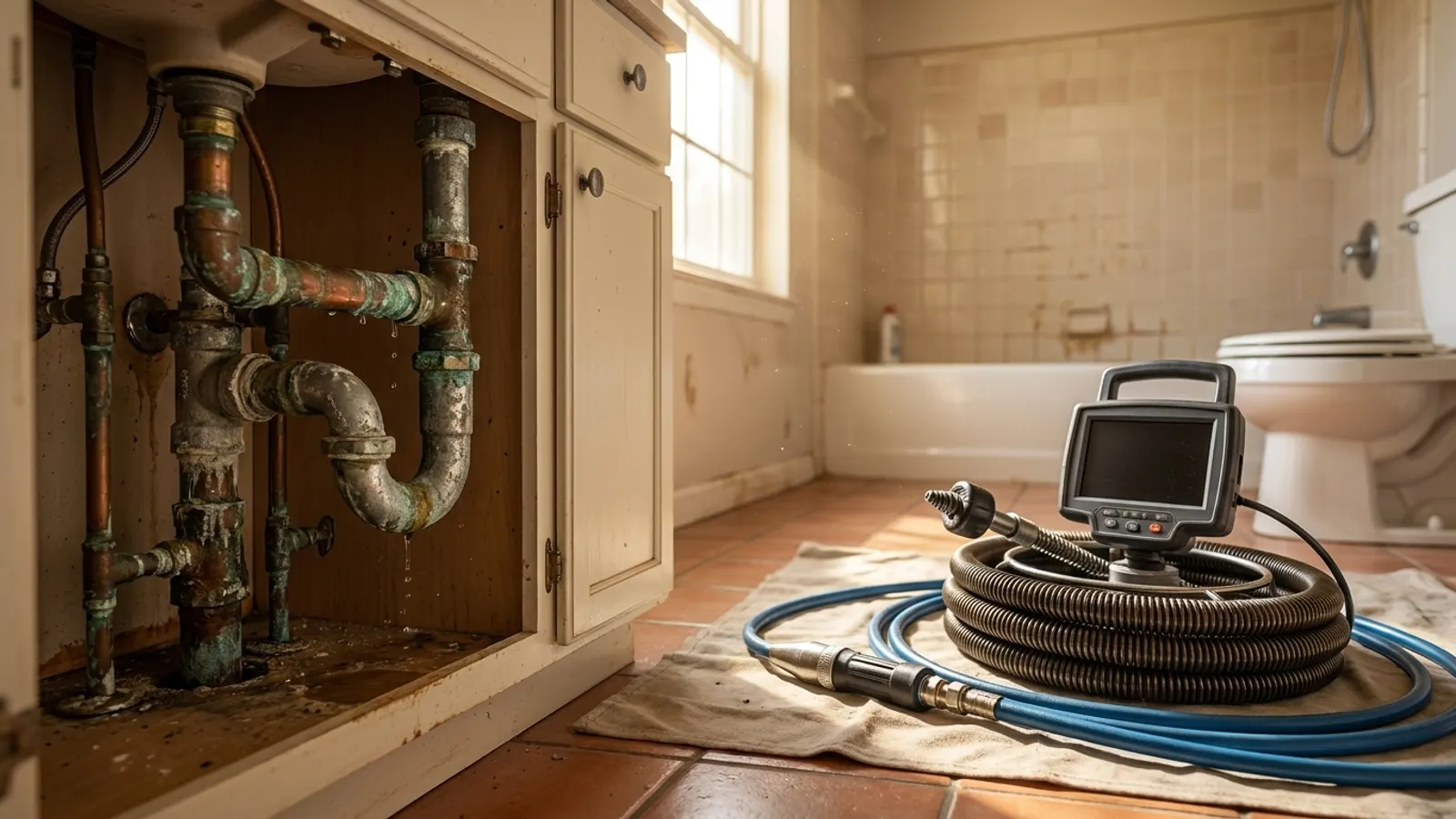
Look for a fixture shutoff on the supply line near or beneath the fixture. Turn it gently toward closed. Do not force a corroded, stuck, or damaged valve; it may break and create a larger leak.
Washing machine or dishwasher
Use the appliance supply valve only if it is visible, dry, and safely accessible. Do not pull an appliance across wet flooring or reach behind it near electrical connections.
Water heater
A water heater has water and an energy source. Close the water supply only when the valve is safely accessible. Do not touch electrical controls while standing in water. If you smell gas, leave and contact the gas utility or emergency services from a safe location.
One branch or the entire home
Some homes have branch valves; others require the main shutoff. The building shutoff is commonly near the point where the service enters, but layouts differ. Identify yours before an emergency rather than relying on a generic location.
Meter or utility valve
Do not operate a utility-owned valve unless the utility authorizes it and you have the correct guidance. Contact the water provider if the property shutoff is unavailable or the leak appears to be on the utility side.
How to Close a Valve
Common homeowner shutoffs use a wheel or lever, but appearance alone does not guarantee function.
- A wheel-style valve typically closes by turning clockwise.
- A quarter-turn lever is typically closed when the handle is perpendicular to the pipe.
Move the control gently. If it will not move, leaks around the stem, or begins to deform, stop. A broken shutoff can turn a contained problem into uncontrolled flow.
Confirm Whether the Water Stopped
Watch the leak rather than assuming the handle position worked. A small amount of residual water may drain from piping, but continued pressurized flow means the source is not isolated.
Note which valve you closed and which fixtures lost water. That information helps a plumber understand the affected section.
If the meter continues moving after known uses are off and the home is isolated, do not guess at the cause. The slab and hidden leak guide explains how meter behavior fits into a broader evaluation.
Protect People and Property
Once flow is controlled:
- keep people and pets away from wet areas;
- move belongings only when it is safe;
- place a container beneath a small residual drip;
- do not walk beneath a bulging or water-damaged ceiling;
- avoid using fixtures connected to a sewage backup;
- document visible conditions for your records; and
- call the appropriate restoration or insurance contact when building materials are affected.
Plumbing repair and water-damage drying or restoration may be separate scopes.
What to Tell the Plumber
Provide:
- the property address and callback number;
- where water first appeared;
- whether it is hot, cold, clean, or wastewater;
- which valve was closed;
- whether flow stopped;
- any wet electrical equipment;
- affected fixtures or appliances; and
- prior leaks or repairs in the area.
Photos can document what you saw, but they do not create a final diagnosis or instant quote.
Prepare Before the Next Leak
Locate and label the main shutoff without hiding safety or manufacturer labels. Keep access clear. Make sure household members know who can operate it. Do not test a questionable valve by forcing it.
During planned plumbing work, ask the plumber to point out the relevant building, fixture, and appliance shutoffs. If an accessible valve is already damaged or inoperable, consider addressing it before an emergency.
What Happens After Shutoff?
Stopping water limits additional damage; it does not repair the failed pipe, valve, fixture, or appliance. An isolated leak may need pipe repair in Mesa. If water cannot be safely isolated or is actively damaging the property, follow the emergency plumbing checklist.
JB Water & Air is open 24 hours a day, seven days a week, at (480) 969-3193. Arrival timing must still be confirmed by phone.
For a non-urgent shutoff or leak evaluation, use the contact page and include the valve condition, leak location, and whether the meter or flow changed after isolation.