Furnace and heating repair in Mesa, whatever the system
JB repairs gas furnaces, heat pumps and rooftop units across Mesa. What yours does when the thermostat calls for heat tells us which kind of visit to plan.
- 4.9 · 580 Google reviews
- Open 24/7
- CR-39 licensedROC #341937 · CR-39
- Since 1981Family owned since 1981
- Gas furnace
- Heat pump
- Rooftop unit
In one paragraph
Heating repair is the diagnosis and correction of a specific fault in whatever heats the house, and it begins by establishing whether that is a gas furnace, a heat pump running in heating mode, or a packaged unit outdoors, because those three fail along different paths.
Before anything else
It starts with what actually heats the house
A gas furnace, a heat pump and a rooftop packaged unit fail along lists that barely overlap, and one symptom reads identically at the vent. Answer two quick tells and get the one line to say when you call, so the visit is scheduled as combustion work or as refrigeration and controls work.
Answer where the equipment lives, and one tell about it. This names whether the house has a gas furnace, a heat pump, a rooftop gas pack or an electric heat-pump package, and gives you the one line to say when you call so the visit is scheduled correctly. It identifies the machine only.
Not sure which one you have? Say what you can see and the team will sort it on the call.
(480) 969-3193Describe the symptom
Tell us what it does
A heating fault that only shows on a cold morning cannot be summoned on demand, so the pattern matters as much as the fault. Note whether the indoor blower runs, whether the outdoor unit runs, and how long each lasts before it stops. Calling is the faster way to describe an intermittent one.
Furnace, heat pump or a unit on the roof?
ROC #341937 · CR-39 air conditioning. Open 24 hours a day, 7 days a week. Settle timing on the call, or reach the number at the top of this page any hour.
Reading the symptom
What the vent is telling you
Nothing happens at all when the thermostat calls for heat
Start with whether the call is reaching the equipment. Thermostat mode, the low voltage signal and a safety device that has already opened the circuit all produce a dead system.
The blower runs but the air is not warm
This separates a system that will not start from one that starts and does not heat. On a furnace it points at ignition or the gas side. On a heat pump it points at the refrigerant circuit or a control.
The burner lights, then goes out within seconds
The furnace lit and then could not prove the flame. A flame sensor that can no longer read the flame it stands in is the usual explanation, and it is a measurement rather than a guess.
It heats for a few minutes and then stops
A furnace that reaches a limit and shuts down is usually short of airflow. The filter, the return path and the blower come before anything on the gas side.
The outdoor unit steams and the air turns cool for a while
That is a heat pump running a defrost cycle, which is designed behavior. Cool air that never ends is not, and it moves the question to the reversing valve, the charge or the defrost control.
A burning smell on the first cold morning of the season
Dust collected through a long idle summer burning off heating surfaces fades within a cycle or two. An acrid, electrical or gas smell does not, and it is a reason to shut the system off.
Why one complaint has several causes
How a furnace proves each step before the next
A modern furnace runs a fixed sequence and stops at the first step it cannot prove, usually flashing a code. That is why “lights then quits” is not one fault but a place in a sequence to find.
- 1
The thermostat calls for heat
A low voltage signal must actually reach the equipment.
- 2
The inducer starts
It establishes draft before anything is allowed to light.
- 3
The pressure switch closes
It confirms that draft. A switch that will not close often reports a restricted flue or drain.
- 4
The igniter heats
A brittle ceramic element glows to light the burner, and it fails on cycles.
- 5
The gas valve opens
Fuel is admitted only once the earlier steps are proved.
- 6
The flame sensor proves the flame
A rod carries a tiny current through the flame within seconds, or the board shuts the gas off.
- 7
The blower starts after a delay
Warm air reaches the vents last, once the exchanger is warm.
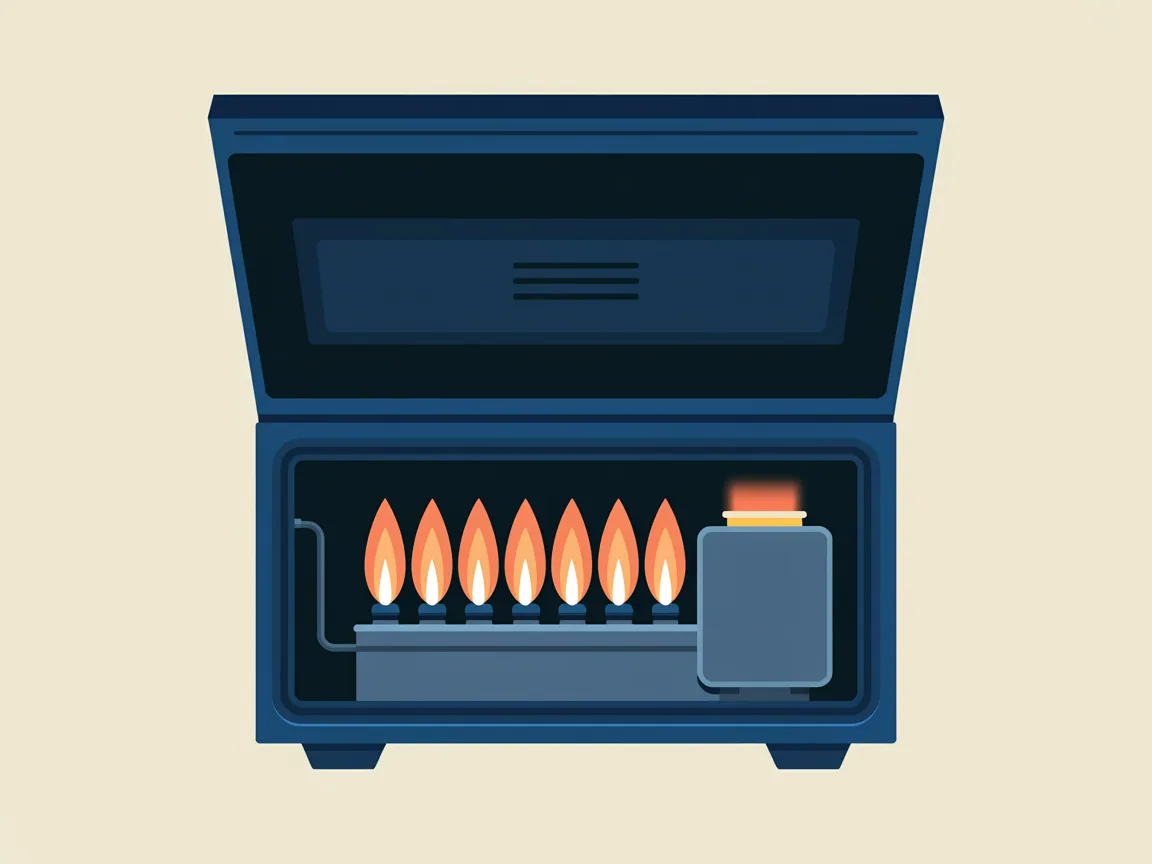
Miss any step and the board shuts the gas off. A heat pump has no burner, so none of this applies to it, which is exactly why naming the machine comes first.
Different machines, different lists
How each type actually fails
The lists barely overlap, and that is the whole reason the first question is which one the house has.
A gas furnace
Burns fuel, so the fault lives in the sequence.
- Ignition: igniter, gas valve, control board
- Flame proving: the flame sensor reading its own flame
- Draft: inducer and pressure switch, often a restriction
- Airflow limits: filter, return path, blower
- Heat exchanger: a safety finding, not a routine repair
A heat pump in heating mode
Burns nothing. The air conditioner list, plus three of its own.
- The full cooling-side fault list applies
- Reversing valve: redirects refrigerant to heat
- Defrost control: clears the outdoor coil
- Backup electric heat and its staging
- The quiet failure: backup heat left carrying the load, and the only symptom is the bill
A packaged unit on the roof
Both lists combined, every step performed on a roof.
- Everything a furnace can do (gas pack)
- Everything a heat pump can do (electric package)
- Curb duct leakage where heated air escapes before a room
- Access: a rooftop cabinet is not a closet air handler
- Weather and roof access shape the visit
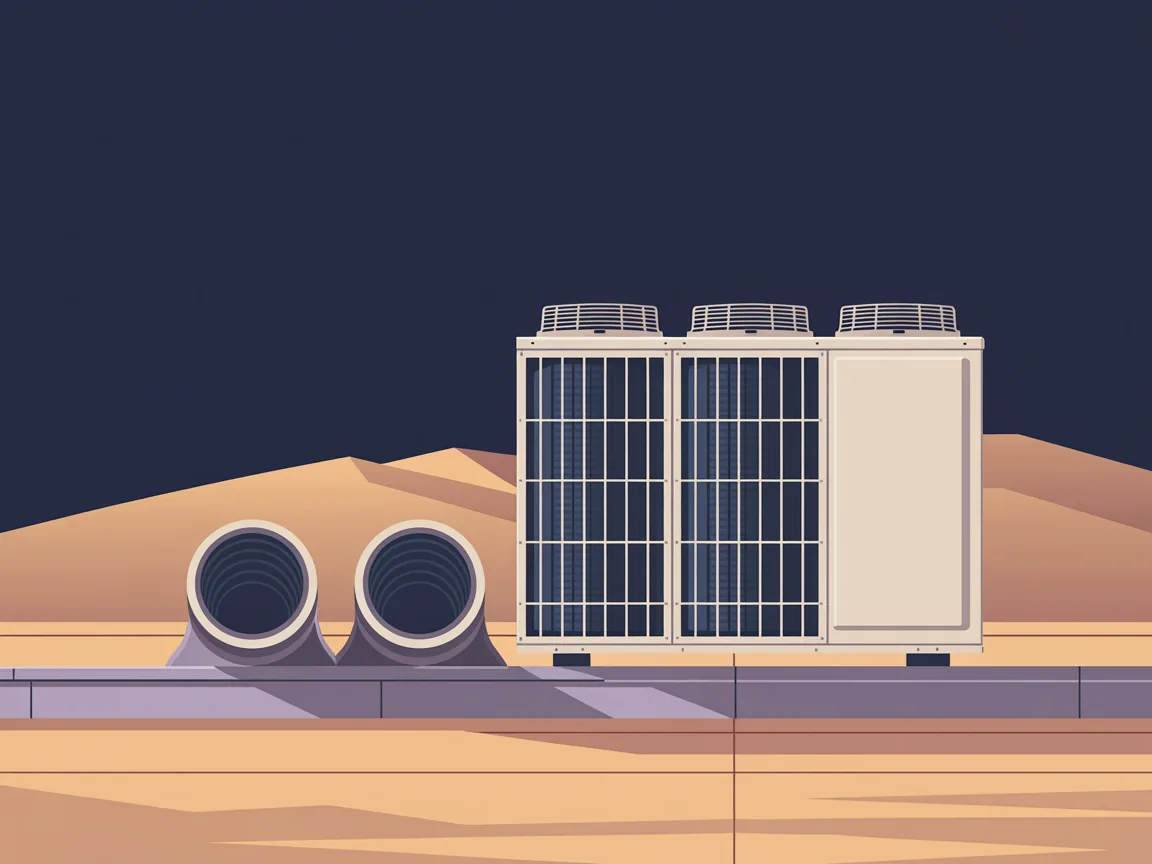
Gas supply to the appliance, as distinct from the appliance itself, is covered under gas line services.
How the diagnosis runs
A walk, not a guess at a part
Step 1
Establish what the equipment actually is
Furnace, heat pump or packaged unit, and whether backup heat exists. This is not a formality. It selects which failure list applies, and the two lists barely overlap.
Step 2
Confirm the system is being asked for heat
Thermostat mode and setting, the low voltage signal reaching the equipment, and whether a safety device has deliberately opened the circuit. A system that is not being asked to run has not necessarily failed.
Step 3
Follow the failure path for that machine
On a furnace that means walking the ignition sequence and finding the step that cannot be proved. On a heat pump it means the electrical side, the reversing valve, defrost and the charge.
Step 4
Report the findings, then authorize
What was measured, what it indicates, what is proposed and what stays unresolved, in writing, before any work begins.
The parts, and the safety findings
What gets checked, and what is not a part to swap
Hot surface igniter
A brittle ceramic element that glows to light the burner. It has a service life measured in cycles, so it tends to fail on the first call of a season. Replacements must match the specific furnace, not merely fit.
Flame sensor
A single rod that carries a tiny current through the flame to prove it is there. Oxide film on the rod breaks that signal and the board shuts the gas off, which is a safety response working correctly.
When the board shuts the gas off here, that is a safety response working correctly, not always a part to swap.
Pressure switch and inducer
The inducer establishes draft and the pressure switch confirms it. A switch that will not close is often reporting a restricted flue or drain rather than failing itself, so the restriction is the thing to find.
A switch that will not close is often reporting a restriction to find, not failing itself.
Reversing valve and defrost control
Heat pump specific. The valve redirects refrigerant so the system heats, and the defrost control decides when to clear the outdoor coil. Both are diagnosed by observed behavior and measurement, not by symptom alone.
Backup electric heat and sequencers
Resistance elements that assist a heat pump, brought in by sequencers or a control board. A staging fault leaves them running when the compressor should be working, so the house stays warm and the only symptom is the bill.
Heat exchanger
Not a routine part. It separates combustion gases from the air in the house, so a failure is a safety finding that belongs in a written replacement comparison rather than in a parts quote.
A safety finding, not a parts quote. A failure here belongs in a written replacement comparison.
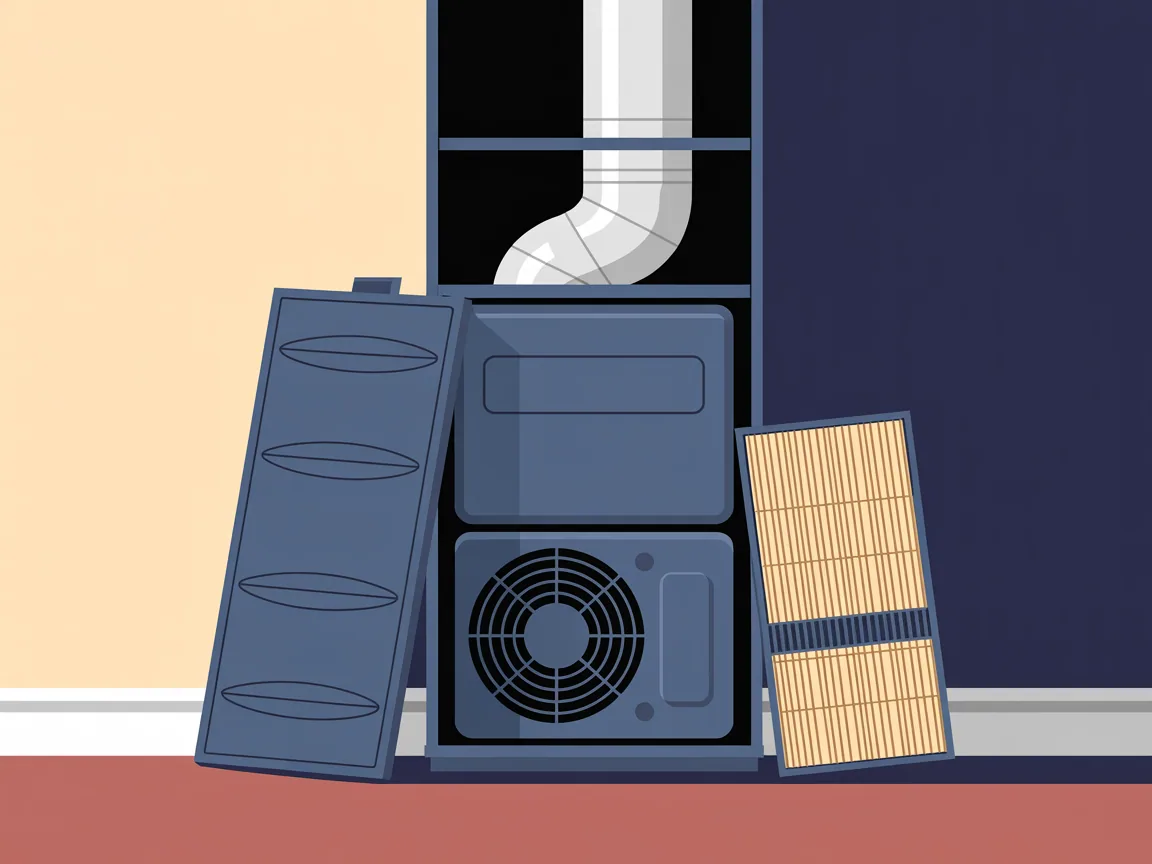
Furnace and heating repair in Mesa, AZ
JB Water & Air repairs heating systems of all types across Mesa and the East Valley, whether the house has a gas furnace, a heat pump or a packaged unit on the roof, under Arizona license ROC #341937, classification CR-39 air conditioning. The company is family owned and has worked here since 1981. JB warrants its own labor for two years and returns to make failed work right at no cost; the guarantee excludes normal wear, manufacturer defects and damage from outside causes, and the job documents record the scope of your specific repair. The phone is answered 24 hours a day, 7 days a week at (480) 969-3193, and scheduling and arrival timing are settled on that call.
One thing about a furnace is worth knowing before anyone quotes work on it. The blower is shared with cooling, so a blower fault found in January is the same fault that will present as a cooling complaint in July, and AC repair in Mesa covers the summer half of that one cabinet. Ask for it to be reported either way, so the finding is not paid for twice.
Safe checks before you call
Confirm the thermostat is set to heat and above room temperature, then replace a visibly loaded filter. After that, note three things: whether the indoor blower runs, whether the outdoor unit runs, and how long each lasts before it stops. Those three observations are the first things a technician would ask for, and having them ready shortens the visit.
If you smell gas, leave the building and call from outside. Do not remove burner panels, and do not bypass a switch that keeps shutting the system down, because those switches usually report a real condition rather than a fault of their own. What to check first when the heater is not working sets out the full list and where homeowner troubleshooting should stop.
What a Mesa winter does to heating equipment
Winters here are mild and the season is short. That is not a reason to care less about a failed heater on a cold desert night; it is the reason heating faults show up the way they do.
The biggest difference between heating equipment here and in a cold climate is idle time. A Mesa furnace can sit unused from March into November. Dust settles on burners, flame sensors oxidize, igniters near the end of their life fail on the first call of the season, and insects find a cabinet that has been quiet for months. This is why so many heating calls land on the first genuinely cold night: nothing broke that night, the system simply had not been asked to run since spring.
Dust reaches the outdoor unit too, and a heat pump's outdoor coil is the collector in winter rather than the rejector, so a coil packed with the fine caliche dust a haboob leaves behind loses heating capacity and changes how often the unit defrosts.
What changes the price of a heating repair
No flat figure is useful, because the work ranges from a commodity ignition component to a safety finding that ends in a replacement conversation. What moves a quote:
- which equipment type is installed, since combustion and refrigeration work are different tasks inside one visit;
- which component failed, and whether it is a stocked commodity part or a matched board, valve or motor;
- whether the fault sits inside the sealed refrigerant circuit, which requires recovery, evacuation and a weighed charge;
- how the equipment is reached, since a rooftop gas pack and a closet air handler are not the same job; and
- how long an intermittent fault takes to reproduce, which matters more in heating, because a fault that only appears on a cold morning cannot be summoned on demand.
A quote should itemize the diagnosis and the measurements behind it, the part and its specification, the labor, what is excluded, and what remains unresolved.
Repair or replace
Equipment age on its own is a weaker signal than most people assume. Replacement earns a serious comparison when a heat exchanger has failed, when repairs have repeated, when the cooling side of the same cabinet is also worn, or when parts availability materially affects the decision.
That last condition carries unusual weight here. In this climate the cooling side accumulates the run hours while the heating side barely works, so the heating equipment is often the healthier half of a system whose cooling half is finished. Judge the two together before replacing either, and ask for both paths scoped in writing.
After the visit
Confirm what was repaired and what operating result was verified, then keep the invoice and that verified result with the equipment record. Next winter's diagnosis then starts from history rather than memory, which matters more here than in a cold climate, because the machine will have been standing still for eight months by the time anyone asks it to run again. To describe a current symptom, call (480) 969-3193.
Questions people ask
Straight answers
Is no heat an emergency in a Mesa winter?
- It depends on the night and on who is in the house. Winters here are mild, so a house that cools slowly overnight is often a scheduling problem rather than a crisis. Infants, older adults and anyone with a medical vulnerability change that judgment, as does a gas smell, a repeatedly tripping breaker or a burning odor. JB answers the phone 24 hours a day, so the judgment call can be made with someone rather than alone.
Can I keep running the system until a technician gets there?
- Sometimes, and the deciding factor is what the system is doing. Heat that is weak or that cycles more often than usual is generally something you can keep using while a visit is arranged. Stop using it, and say so when you call, if you smell gas at any point, if the breaker trips again after being reset, if a burning or acrid smell does not clear within a cycle or two, or if a safety switch keeps shutting the system down. A switch that keeps tripping is reporting a condition, not inventing one.
Do you repair heat pumps and rooftop gas packs as well as gas furnaces?
- Yes. JB Water & Air works on heating systems of all types across Mesa and the East Valley, under Arizona license ROC #341937, classification CR-39. A gas furnace is scheduled as combustion work and a heat pump as refrigeration and controls work, which is the reason naming the machine on the call matters. Heat pump repair covers the reversing valve, defrost and backup heat side of that in more depth.
Related heating and cooling services
More on heating from the JB team
Get the heat diagnosed
Describing an intermittent heating fault out loud is faster than typing it. JB answers the phone 24 hours a day, 7 days a week.
Open 24 hours a day, 7 days a week.