
Installation & replacement
AC installation in Mesa, sized to the house it goes into
JB Water & Air installs and replaces air conditioners in Mesa, sized to a load calculation for your house, not to the tonnage of the unit coming out.
- 4.9 · 580 Google reviews
- CR-39 licensedROC #341937 · CR-39
- Since 1981Family owned since 1981
- 2-year labor guarantee2-year workmanship guarantee
Guarantee covers JB's own labor. Excludes normal wear, manufacturer defects and outside damage.
In one paragraph
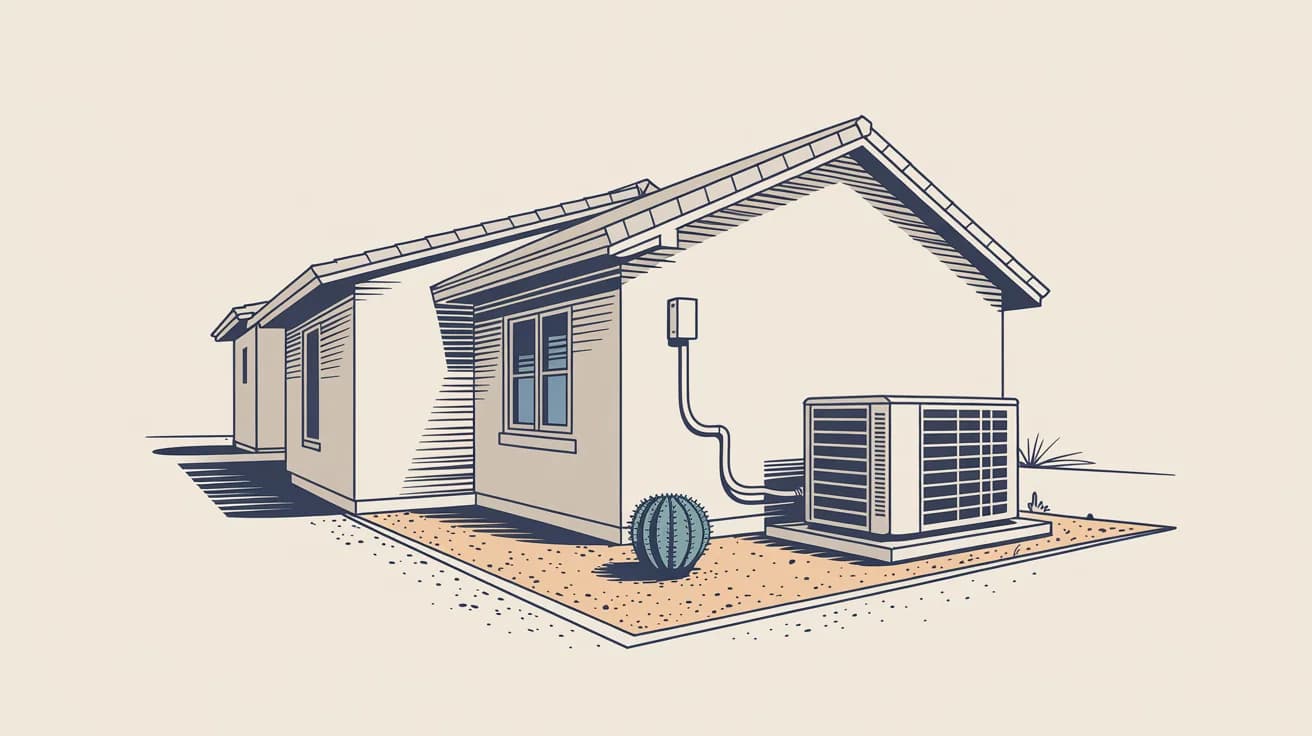
Replacing an air conditioner is a sizing and commissioning decision rather than a shopping decision: capacity should follow the home's calculated cooling load, the indoor and outdoor equipment have to be a matched pair, and the written scope matters more than the brand on the box.
Where the decision is made
A sizing decision, not a shopping decision
Capacity should follow the cooling load calculated for this building, not the tonnage stamped on the condenser being removed. Much of Mesa's housing stock has been altered since its original system went in: rooms added, patios enclosed, roofs replaced, windows changed, insulation added. Every one of those moves the load, and none of them appear on the old data plate.
What the load calculation reads
Square footage is one input among many. Ask which of these were measured for your house, and what would change the answer.
- Floor area
- Window area and glazing
- Shading and orientation
- Insulation levels
- Ceiling height
- Air leakage
- Attic condition
- Duct location
- Occupancy
- Heat-producing appliances
Oversized is the easier mistake
A larger unit satisfies the thermostat quickly and shuts off. Shorter run time means less air crosses the coil, so less moisture leaves the house. In a monsoon week that reads as a home at its set temperature that still feels clammy.
Undersized fails the other way
It runs without catching up, and it does that on the hottest afternoons rather than the mild ones. Both errors come from sizing to a number instead of to the building.
The ducts are part of the sizing question
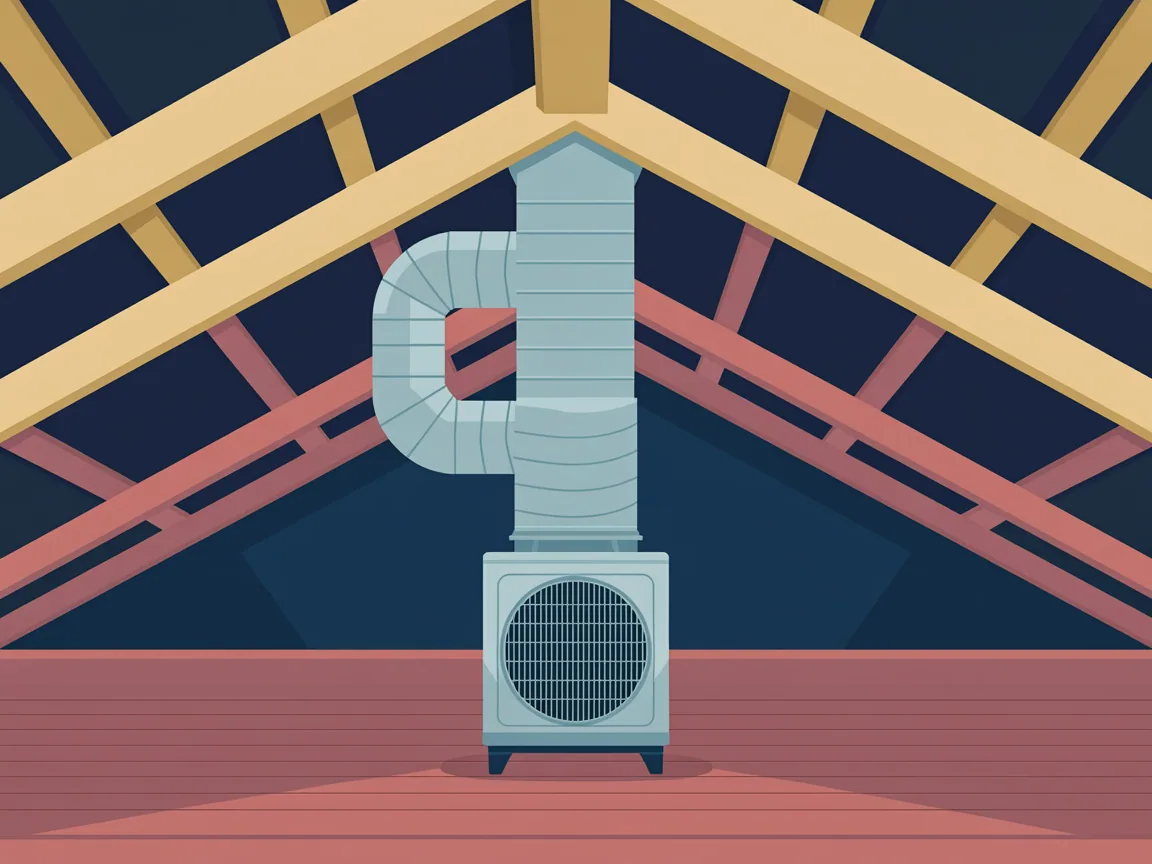
Equipment can only deliver its rated capacity if the distribution can carry it. In many older Mesa homes the return air is undersized for the equipment already in place, and the supply runs sit in an attic that reaches punishing temperatures by mid-afternoon. Replacing the box without addressing that leaves a new system working against the same restriction.
Static pressure readings, return sizing and duct condition belong in the survey, not in a change order after the equipment is on site.
Before you sign
Run the proposal past this
A complete replacement proposal covers more than a model and a number. Tick what your quote already addresses; anything left is a fair question before you commit.
6 items not covered. Each one is a fair question to ask before you sign.
Holding a quote with gaps in it? Reading it down the phone takes a few minutes, and it is the fastest way to find out what the number does and does not include.
(480) 969-3193Request a proposal
Get it sized properly
A proposal worth comparing starts with the house, not a catalogue. Four things make the first conversation a short one:
- The repair history on the current system
- Which rooms are uncomfortable, and at what time of day
- Any addition, reroofing or window work since it went in
- Any known duct or electrical issue
Replacing, or adding capacity?
ROC #341937 · CR-39 air conditioning. Open 24 hours a day, 7 days a week. Installation timing depends on equipment, permits and field conditions, so settle that on the call.
What you are seeing, and the question it raises
Six reasons people start this conversation
Rooms at the end of the duct run never catch up in July
This is as often a distribution problem as a capacity problem. It raises whether more equipment would help, or whether the ducts and returns are the limit.
The system runs almost continuously on hot afternoons
Long run time can come from load, airflow, charge or genuine undersizing. The question is whether the current capacity was ever matched to the building.
It cools quickly, shuts off, and the house still feels clammy
Short run cycles remove less moisture. During monsoon weeks that gap shows up plainly, and it raises whether the existing equipment is oversized for the home.
Repairs have become a pattern rather than an event
One fault is a repair decision. A sequence of faults across different components is a different question about the condition of the system as a whole.
The home has been added to, reroofed or reinsulated
The building the old system was sized for no longer exists. The load should be recalculated rather than inherited from the tonnage on the old condenser.
The outdoor unit sits in full afternoon sun with little clearance
Placement affects how the equipment performs and how it is serviced. It raises whether a replacement should stay in the same location.
What gets installed
A matched pair, plus the work around it
Outdoor and indoor components are engineered and rated as a combination, so the published efficiency figure belongs to the pair rather than to the condenser on its own. Pairing a new outdoor unit with an existing indoor coil can leave the installed system performing below what either part is rated for.
Matched split system
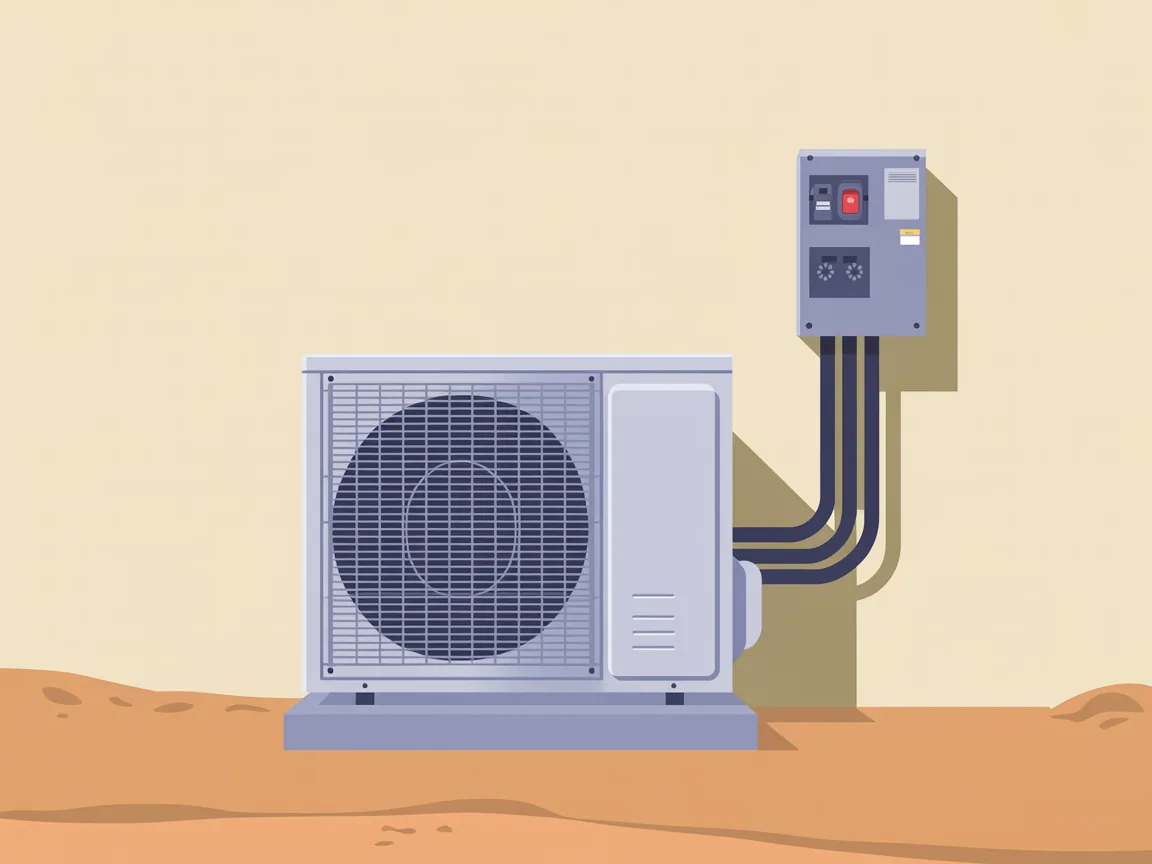
Outdoor condensing unit with a separate indoor coil and air handler or furnace, joined by a refrigerant line set and control wiring. The efficiency rating belongs to the specific pairing, not to the outdoor unit alone.
Packaged unit
All components in one cabinet, commonly set on the roof. Simpler to connect, but placement, access and the duct penetrations become larger parts of the decision.
Heat pump or straight cooling
A heat pump handles both seasons with one piece of equipment. Straight cooling pairs with existing gas or electric heat. The existing heat source usually decides which comparison is real.
Duct and return-air work
Not equipment, but part of the same scope. Undersized returns and leaking attic runs cap what any new system can deliver, whatever its rating.
Controls and thermostat
Staging, fan behavior and sensing have to match the equipment. A control chosen without reference to the system it operates can undo part of the selection.
How the job runs
Load first, paperwork second, equipment last
Step 1
Establish the load
The home's actual cooling requirement, taking in the building, its glazing, insulation and orientation. Not simply the size of what is being removed.
Step 2
Check ducts and electrical
New equipment has to work with the distribution and the electrical service it is connected to. Static pressure, return sizing, duct condition, panel capacity and the disconnect are part of the scope, not an afterthought.
Step 3
Written proposal
The specific indoor and outdoor models and the rated capacity of that combination, what happens to existing ducts and connections, the line set route, what is included and excluded, and the permitting involved.
Step 4
Installation and startup
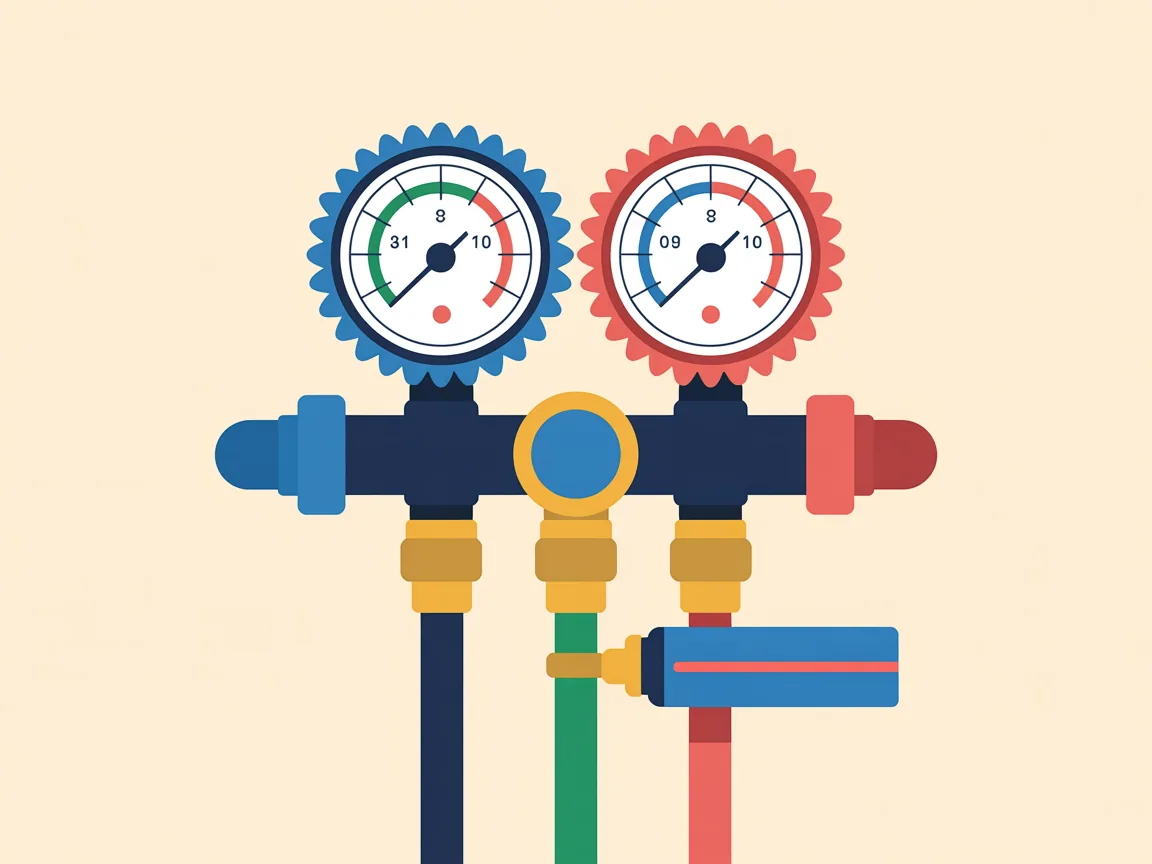
Fitting, connecting and commissioning as one system, finishing with measurements: refrigerant charge verified by the manufacturer's method, airflow across the coil, static pressure, temperature split and control operation.
JB Water & Air installs and replaces air conditioning systems across Mesa and the East Valley under Arizona air-conditioning license ROC #341937, classification CR-39. The company is family owned and has worked here since 1981, and the phone is answered 24 hours a day, 7 days a week at (480) 969-3193. Installation timing depends on the project, the equipment, permits and field conditions, so settle that on the call rather than from a generic online promise.
What a Mesa summer asks of the equipment
A cooling system here is not lightly loaded. It runs long hours against high outdoor temperatures for months, and it does that in air carrying fine caliche dust. Monsoon season adds two things at once: haboob dust that loads coils and filters, and a rise in humidity that changes what the system is being asked to remove from the air. Equipment selected on square footage alone has accounted for none of that. It is also why how long AC units last in Arizona depends far more on run hours, sizing and installation quality than on the year stamped on the data plate.
Repair, or replace
A repairable failure does not automatically call for new equipment. A single isolated fault on a system that is otherwise sound is usually a repair, and the reasoning behind that decision is set out on the AC repair page. Replacement becomes the stronger comparison when a major component has failed and the rest of the equipment is also in poor condition, when parts or refrigerant availability materially affects the repair, or when a renovation is about to change the conditioned space anyway.
Where the comparison is genuinely open, ask for both paths in writing, and compare them on what each one leaves you holding in five years rather than on the smaller number this month.
Two Mesa site conditions worth raising early
Caliche, the cemented hardpan under much of the East Valley, makes trenching for a relocated condenser or a new electrical run slower and more involved than the same work in soft soil. It belongs in the scope before it becomes a change order.
Some homes here also have refrigerant line sets run in or beneath the slab. Where the foundation is post-tensioned, cutting into it is not a casual decision, and the practical answer is usually to re-route the line set overhead rather than disturb the slab. Either way, the proposal should state which route the new line set takes.
Comparing two proposals
Equipment availability, manufacturer promotions, tax treatment and utility programs all change. None of them should be assumed until they appear in current written documentation for the system actually being quoted. Compare proposals on scope rather than on the headline figure: two numbers that look far apart very often describe different amounts of work, and the smaller one is sometimes the one that leaves the ducts, the disconnect and the permit for later. The same discipline applies to smaller jobs, and what changes the cost of AC maintenance is a shorter version of the same argument.
After the system is in
Follow the equipment documentation for filters and owner care, and keep the outdoor unit clear of shrubs, stored items and sprinkler overspray. The startup readings taken at commissioning are the baseline the first AC maintenance visit compares against, and the pre-summer HVAC checklist for Mesa homeowners separates the checks an owner can safely make from work that belongs to a technician. If dust rather than capacity drove the replacement, read the indoor air quality options alongside it, because filtration choices interact with the airflow the new system was designed around.
Questions people ask
Straight answers
How much does central AC installation cost?
- There is no useful single figure, because the work varies. The drivers are the calculated cooling load, the equipment combination selected, the condition and sizing of the existing ducts and returns, electrical capacity at the panel and disconnect, the line set route, drainage, and permitting. Ask for a quote that itemizes each of those.
Should a replacement system be the same size as the old one?
- Not by default. The existing size reflects a decision made for the building as it was, which may have changed, and may not have been correct at the time. Sizing should follow from the home's actual cooling load, its ducts and its electrical service, rather than from what is being removed.
Does home insurance cover air conditioner replacement?
- Usually not for wear, age or mechanical breakdown. Policies generally respond to sudden accidental damage from a covered peril, which is why storm and electrical events are treated differently from a compressor that reached the end of its life. Policies draw the same line on a leaking water heater. Read the policy language and ask the insurer before assuming either answer.
How much for a furnace and air conditioner replacement together?
- Replacing both at once changes the scope rather than simply doubling it. The indoor and outdoor equipment become one matched selection, the ductwork is evaluated once, and gas, venting, condensate and electrical work are handled in a single visit. Ask for the combined scope itemized separately from the equipment.
Is replacing the outdoor unit on its own a good idea?
- It needs care. Outdoor and indoor components are designed to work as a matched pair, and pairing new with old can leave the system performing below what either part is rated for. If a partial replacement is proposed, ask specifically how the components are matched and what performance is expected.
Related heating & cooling services
More on cooling from the JB team
Get the replacement scoped
Ask how capacity was selected and what duct, electrical and permit work is in the proposal. JB answers the phone 24 hours a day, 7 days a week.