
Plumbing · Mesa & the East Valley
Mesa plumbing services, from the meter to every tap
JB handles leak detection, drains and sewer lines, water heaters, repiping and fixtures in Mesa homes. Tell us where the trouble sits and we will route it.
- 4.9 · 580 Google reviews
- CR-77 licensedROC #260511 · CR-77
- Since 1981Family owned since 1981
- Open 24/7
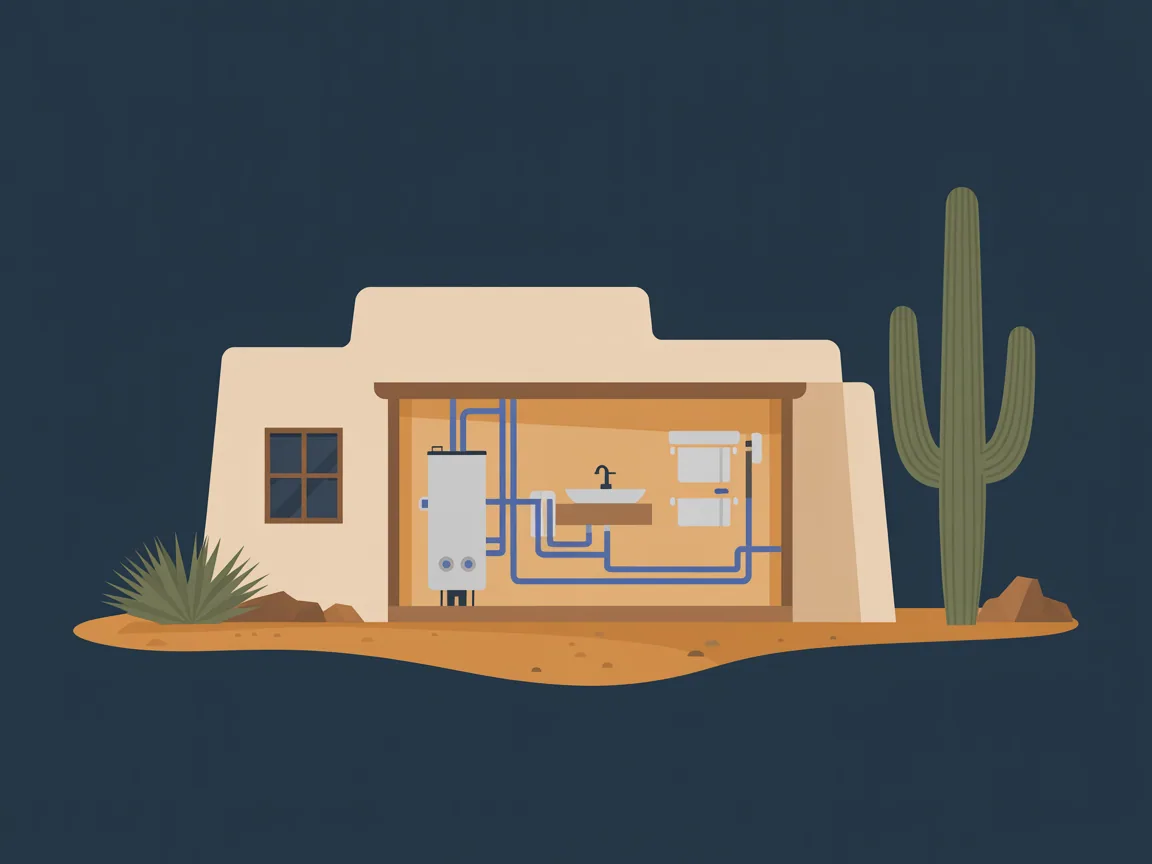
JB Water & Air is a Mesa based, CR-77 licensed plumbing contractor working across four systems: the pressurized supply that brings water in, the drains and sewer that carry waste out, water heating, and the fixtures and gas connections attached to both.
Water supply
The pressurized side that brings water in, from the meter to every tap.
Drains and sewer
The gravity side that carries waste out, from a fixture trap to the main line.
Water heating
The tank or unit that heats the water, its controls and its fuel.
Fixtures and gas
The points where water is used, and the gas piping that feeds appliances.
Start with the symptom
Find the system before you fix the symptom
Pick where the trouble sits, then how far it reaches. This routes you to the right service to read next. It is not a booking, and it shows no live availability. When you are ready, the fastest route is the phone.
Reading the symptom
Six things a Mesa home says, and what each one asks
| What you notice | System | The question it raises |
|---|---|---|
| The water bill rose with no change in use | Water supply | Water is leaving the system somewhere between the meter and a fixture. The question is which side of the house shutoff it is leaving on, because that one answer separates a yard or service line problem from one inside the building. |
| Several fixtures draining slowly at once | Drains and sewer | A shared section is restricted rather than a single trap. The question is how far down that shared section begins, since a branch serving two bathrooms and the main line out to the street give a similar first impression. |
| Low pressure at every tap | Water supply | The restriction sits upstream of the fixtures rather than at them. The question is whether it is a valve, a pressure regulator, the supply piping or the incoming line, because those are four different investigations. |
| No hot water, or hot water that runs out early | Water heating | The water heating side is involved. The question is whether the unit itself has changed, or whether something ahead of it has changed instead: its supply, its controls, its fuel or simply how much the household now draws. |
| A warm or damp patch of floor | Water supply | Water is present on or under the slab. The question is where it entered, because in a slab on grade home water travels along the concrete and surfaces well away from the point it left the pipe. |
| A sewer smell indoors | Drains and sewer | Sewer gas is reaching living space instead of venting. The question is whether a trap has simply dried out in a room that is rarely used, or whether a drain, a vent or a seal has failed. |
The directory
Not sure which plumbing page fits?
Each card is work performed under one Arizona classification, CR-77. The group is decided by where the symptom sits, not by what it looks like.
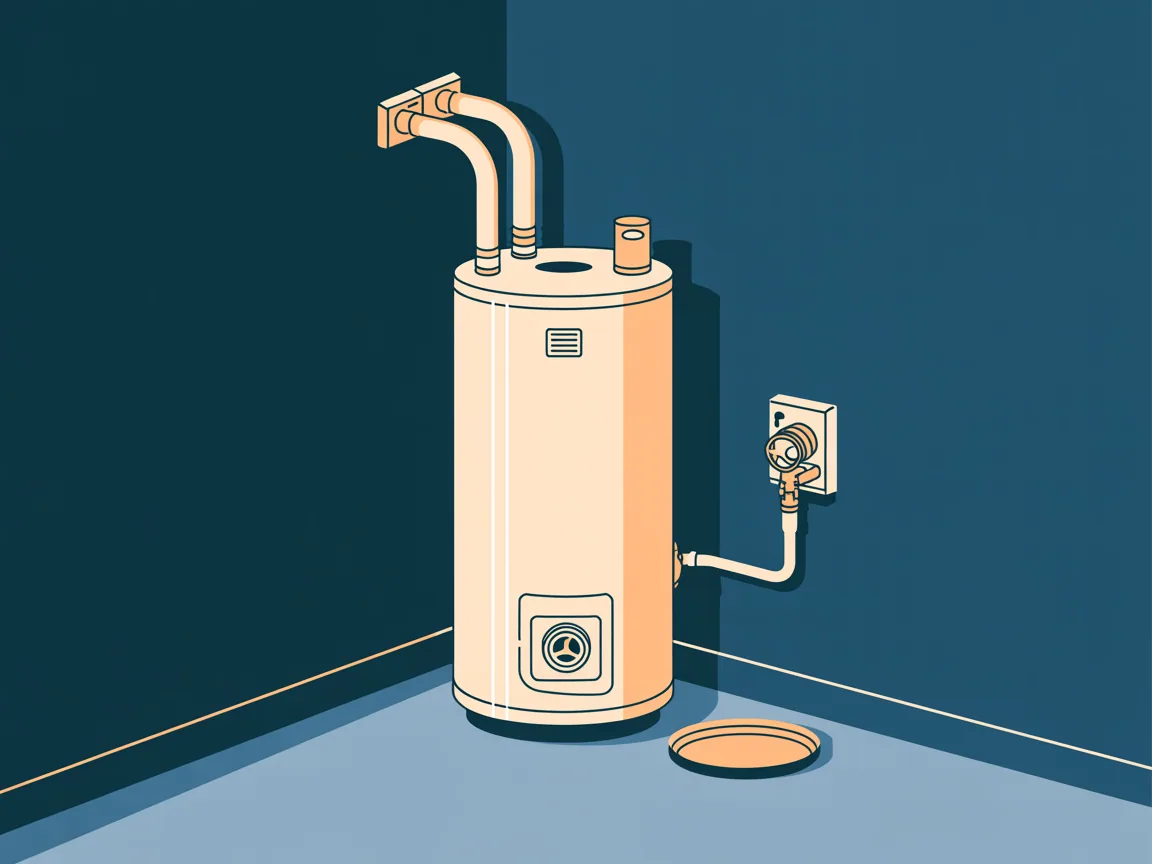
Water heaters
No hot water, or hot water that runs out early. Repair and replacement both start on site.
See what is involved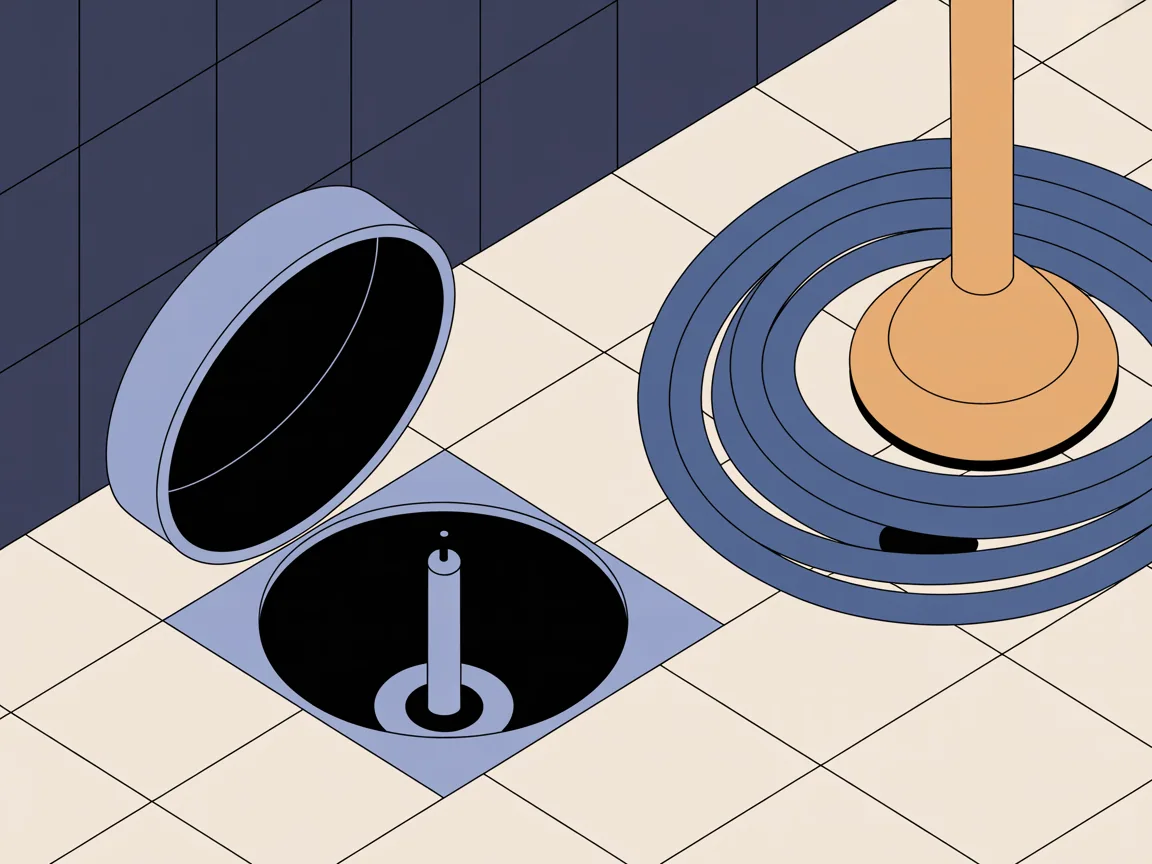
Clogged drain repair
A single slow branch, or several fixtures reacting together and pointing further down the line.
See what is involved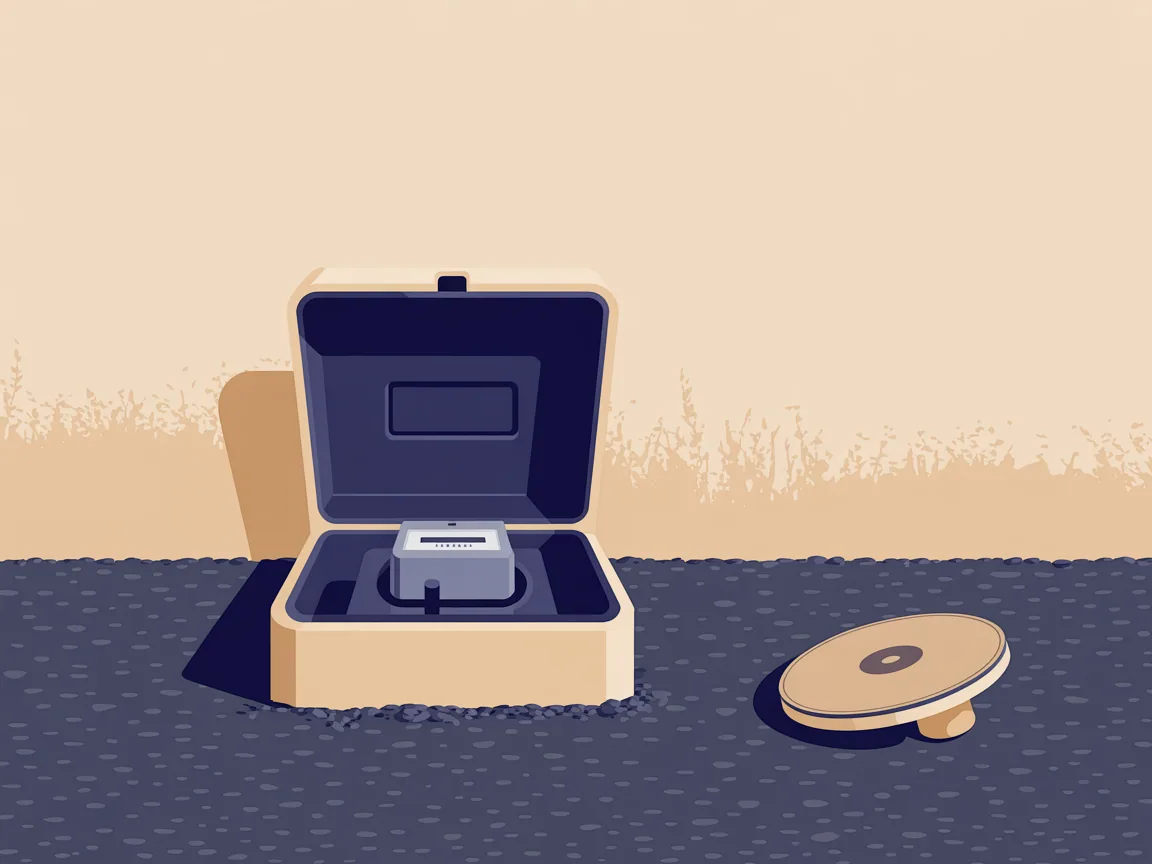
Leak detection
Water leaving the system where you cannot see it, located before anything is opened up.
See what is involved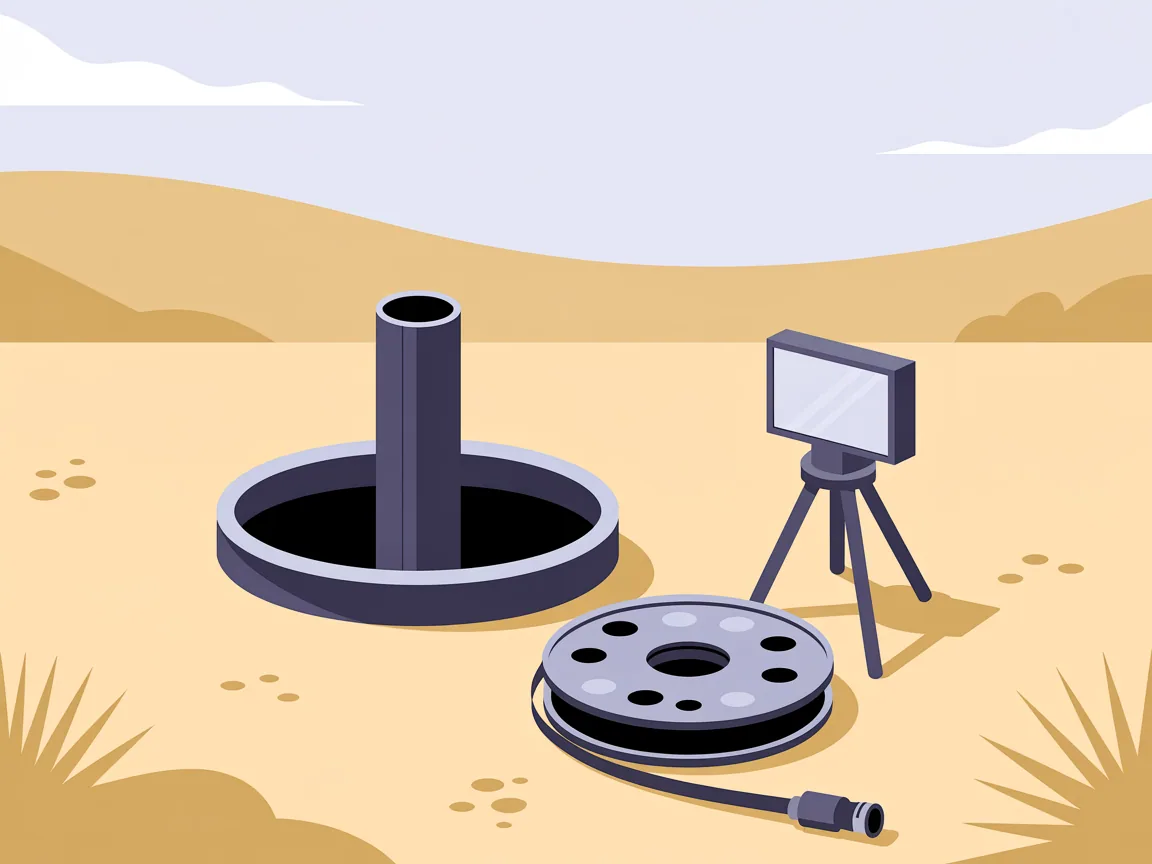
Sewer line repair
The main line out to the street, when waste surfaces at the lowest drain in the house.
See what is involved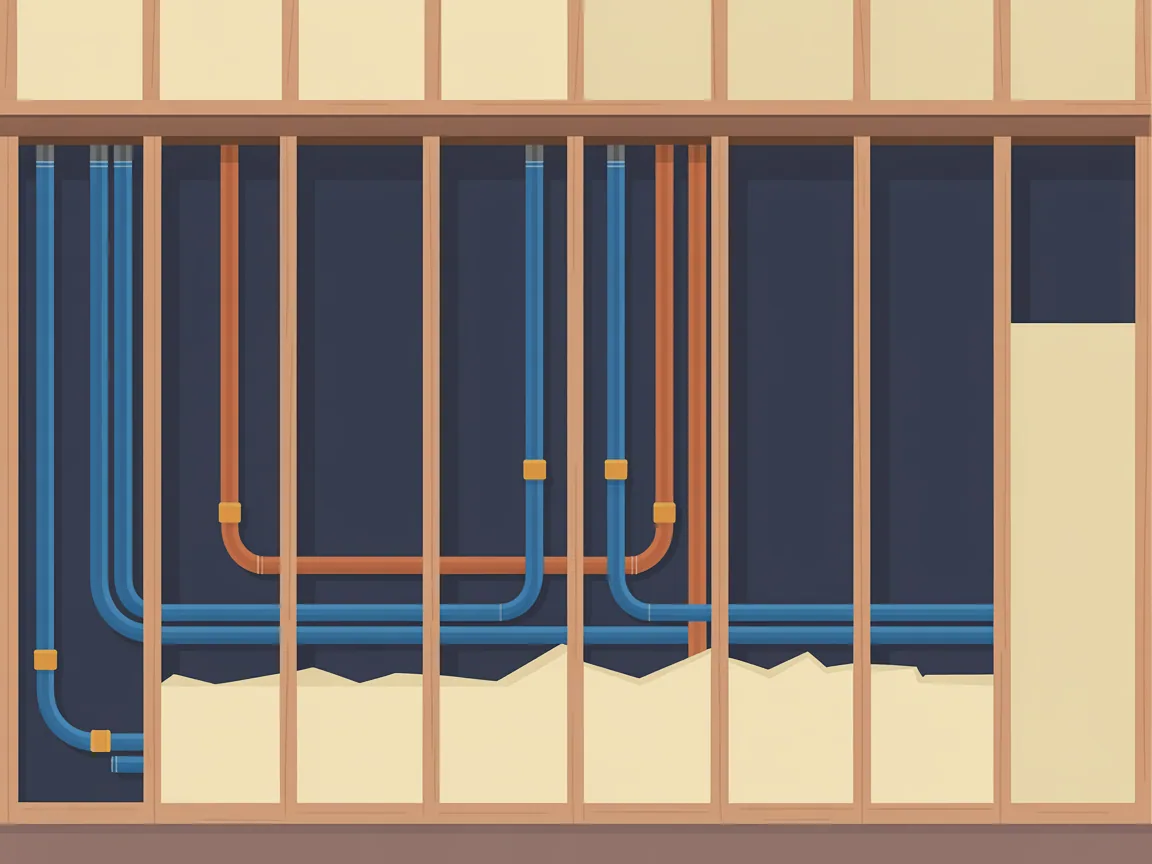
Repiping
One isolated failure is a repair. Failures across the house are a repipe question.
See what is involved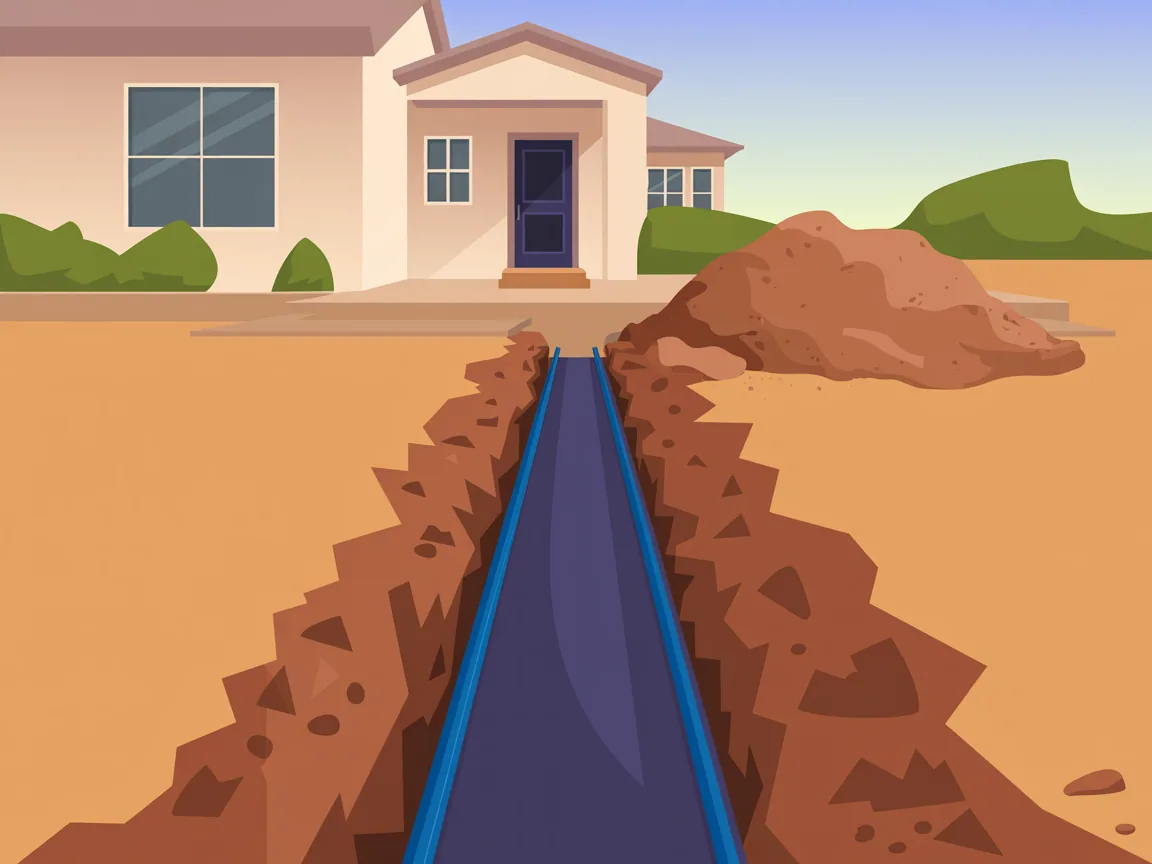
Water line replacement
The service line between the meter and the house, when the loss is outside the walls.
See what is involved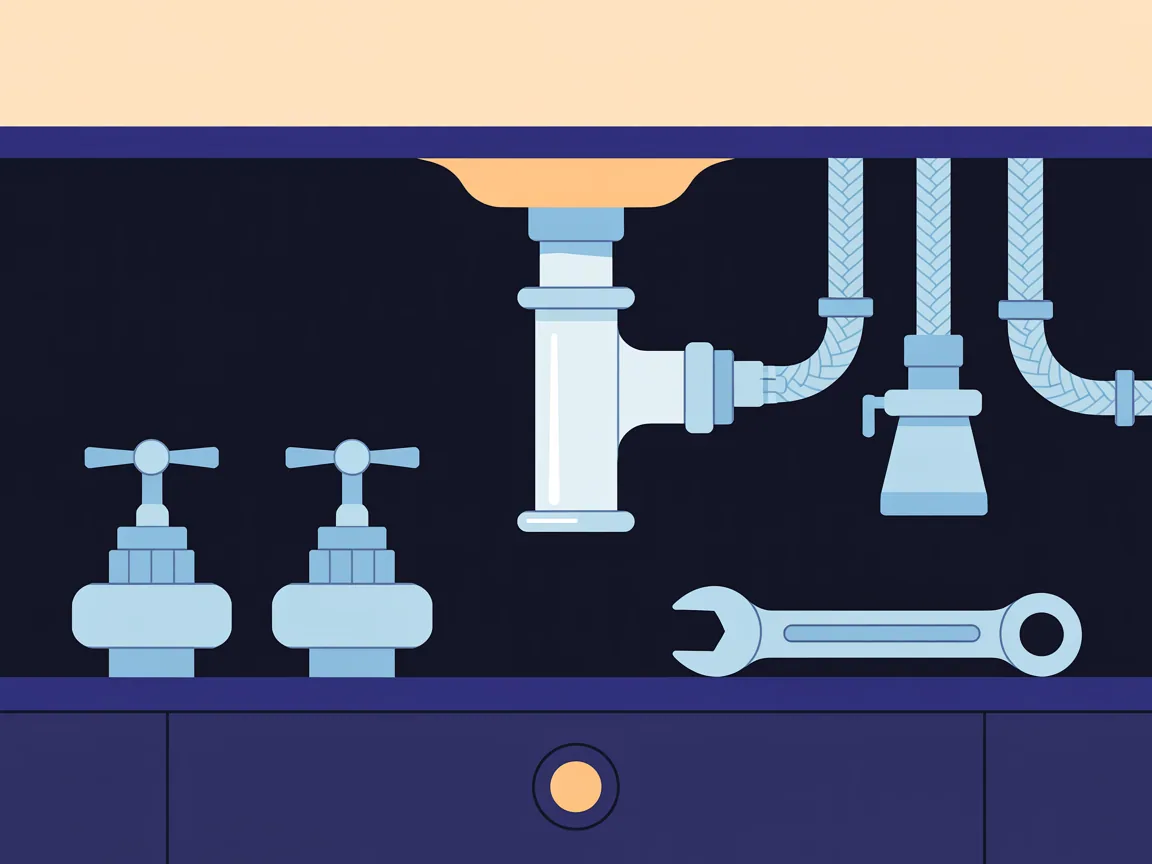
Fixture installation
The taps, toilets, tubs and stops where the supply finally meets the room.
See what is involved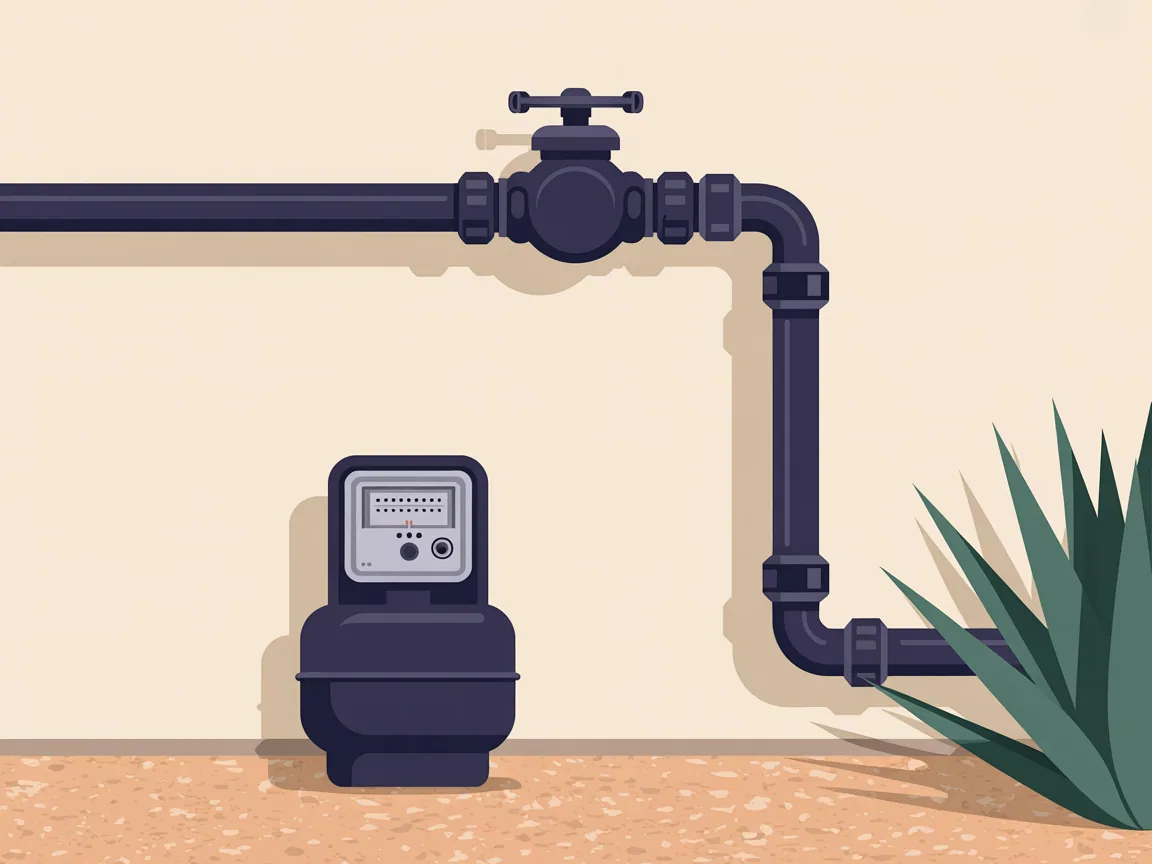
Gas line services
The gas piping that feeds appliances, under the same license as the water side.
See what is involved“I am also the Construction Manager of a local reconstruction franchise, so I tend to be a tough critic”
Sonia Hernandez · From a customer who inspects contractors professionally · Read it on Google: Sonia Hernandez's review, opens in a new window
71 Google reviews mention plumbing needs, as of 2026-09-02. No star average is shown here, only the count.
Materials by era
What Mesa pipe was made of, decade by decade
Age sets expectations. It does not set the verdict. Condition is judged by camera, not by year.
Pre mid 1970s
Cast iron drain piping
Common in Mesa homes built before the mid 1970s. It corrodes from the inside, so the failure shows first as a rough, narrowing bore that catches waste and only later as a section that has lost its wall. Its condition is judged by camera, not by age.
Pre mid 1970s
Galvanized steel supply
Found in the same era of housing. Interior corrosion and scale close the bore over decades, which reads at the tap as pressure that fell slowly rather than suddenly. Age alone does not condemn a run. Measured pressure, flow and the pattern of past leaks do.
Longstanding
Copper
The long standing supply material in Valley housing. It tolerates heat well, and it tends to fail as pinholes at specific points rather than generally. Where a copper line runs in or under a slab, the constraint is rarely the pipe. It is the work involved in reaching it.
Retrofit era
CPVC
A rigid plastic supply material used in many retrofits and some newer builds, joined by solvent weld rather than solder. It becomes more brittle with age and UV exposure, so a run through a hot attic or exposed outdoors deserves closer inspection than one buried in a wall.
Current
PEX
A flexible supply material that can often be pulled through existing spaces, which is why it comes up whenever a slab route is being abandoned in favor of an overhead one. Fitting type and support spacing matter more than the tubing itself, and it must be kept out of sunlight.
The supply side, laid out
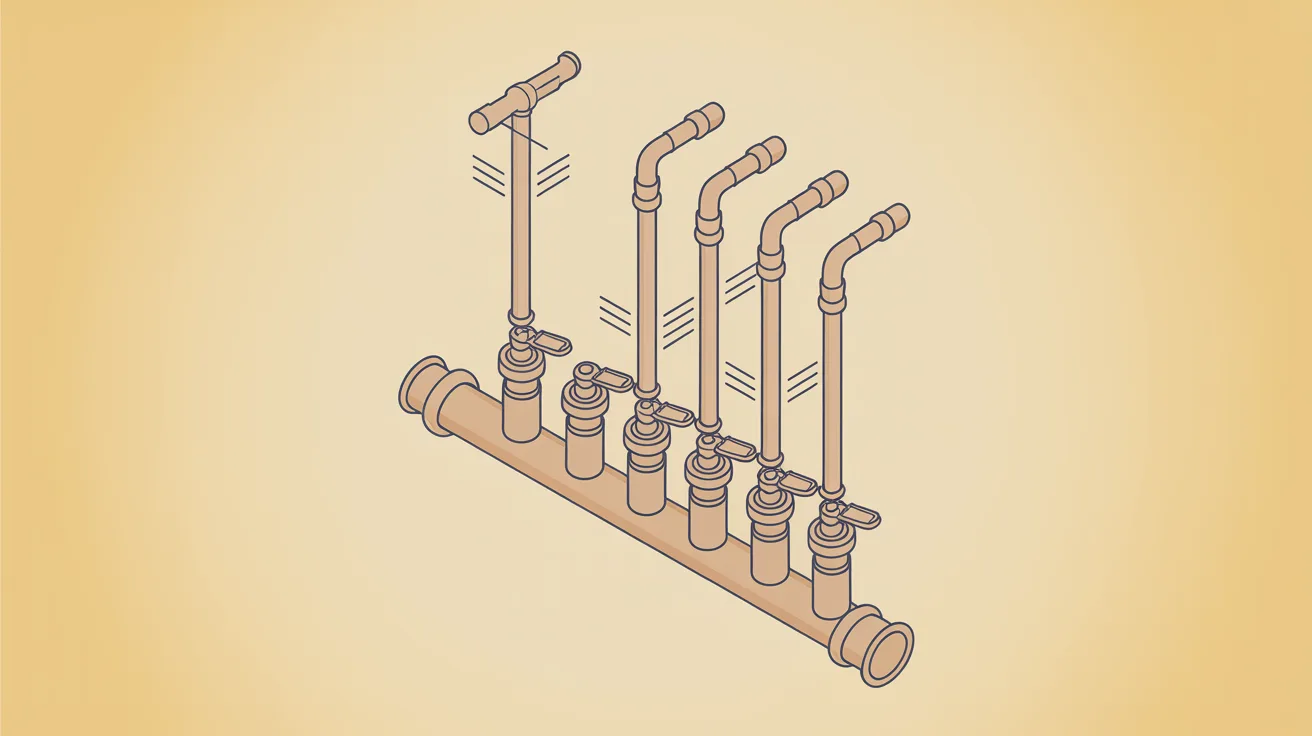
One manifold, one valved run to each fixture
JB Water & Air is based in Mesa, has worked the East Valley since 1981, and holds Arizona plumbing license ROC #260511, classification CR-77. Every card in the directory on this page is work performed under that one classification: the pressurized supply that brings water in, the drains and sewer that carry waste out, water heating, the fixtures where water is used, and the gas piping that feeds appliances. Cooling, heating and water treatment are separate services with their own pages.
Choosing a Service From the Directory
The cards are grouped by system, and the system is decided by where the symptom sits rather than by what it looks like.
Is water being used that nobody is using? A meter that moves with every fixture closed, or a warm patch of floor, belongs under water supply, and leak detection comes first whenever the source is not visible. A scope written before the loss is located describes the wrong job.
Is water failing to leave? One slow fixture belongs to its own branch. Several fixtures reacting together, or waste surfacing at the lowest drain, belongs to the main. How to tell whether the main sewer line is clogged sets out that distinction.
Has the same pipe failed before? One isolated failure is a repair. Failures along one run are a replacement question, and failures across the house are a repipe question. The repair, replacement and repipe cards differ only in how much of the system the evidence condemns.
Gas has its own group because a suspected leak is not a diagnosis call. Leave the building and contact the gas utility or emergency services from outside first.
What Mesa Conditions Change
Mesa's supply blends surface water with groundwater and the mix shifts through the year, so hardness is not one fixed number. Minerals drop out as scale wherever water is heated, so the water heater and the aerators see trouble first.
Most East Valley homes sit slab on grade, so supply lines run under concrete and water leaving a pipe surfaces well away from the break. Post-tension slabs, common from the late 1970s onward, cannot be cut on a hunch, which is why detection comes before excavation and an overhead reroute is often preferred to opening the floor.
Under the topsoil sits caliche, a cemented hardpan. Reaching a buried line through it is slow, and because it holds water in place, a seep at a joint draws roots straight to it. Monsoon runoff finds any cleanout with a cracked cap, and haboob dust silts yard drains after the first storms.
Older Mesa neighborhoods still run on original cast iron drain lines and galvanized supply piping. Both fail from the inside and gradually, so the useful question is never how old the pipe is but what its condition is now.
When It Should Not Wait
Water that cannot be isolated, sewage backing up into the house, or a gas smell are not scheduling questions. Close the shutoff if you can reach it, and work out which valve controls what before the day you need it. Then call (480) 969-3193. JB Water & Air is open 24 hours a day, 7 days a week.
Everything else is better served by a short history: when it began, whether it is constant or intermittent, and every fixture affected. Do not keep running a blocked drain or a leaking system while you wait; isolation preserves the evidence a diagnosis depends on.
Before you call
Arrive able to describe it, and to isolate it
Describe it accurately
When it started, whether it is constant or intermittent, every fixture or area affected, and whether closing a shutoff changes anything. That description decides which system the call belongs to before anyone is dispatched.
Isolate before diagnosing
Closing valves one at a time, and stopping use of a blocked drain, narrows the problem and stops it getting worse. Isolation also preserves the evidence a diagnosis depends on, which repeated testing tends to destroy.
Diagnose on site
A meter reading, a pressure test, a camera or a listening survey turns a symptom into a located finding. This is the step a photo or a phone description cannot replace, and it is where the scope is actually decided.
Put the scope in writing
The finding, the proposed work, the access and restoration, and any permit or inspection belong in one document before work starts. Written in that order, it is possible to see which part is diagnosis and which part is repair.
Ask a quote to separate four things
The finding, the proposed work, the access and restoration involved, and any permit or inspection the work requires. Separated in that order, you can see which part of the document is diagnosis and which part is repair, and you can compare one contractor against another instead of comparing two combined totals.
Questions people ask
Straight answers
What is a fixture in plumbing?
- A fixture is a fitted point where water is used or where waste enters the drain system: a sink, toilet, tub, shower, laundry connection, hose bib or filtration tap. Fixtures are the visible end of the system, which is why a fixture symptom can be local to that unit or the first sign of a supply or drain problem sitting behind it.
Does one plumbing company handle drains, water heaters and gas lines?
- Under one Arizona classification, yes. CR-77 covers plumbing work across supply piping, drains and sewer, water heating, fixtures and gas piping, which is why those services sit together on this page. Each still needs its own diagnosis. A drain problem and a water heater problem share a license classification, not a cause and not a method.
Which service do I need for low water pressure?
- It depends on how widely the pressure dropped. One fixture points at that fixture or its own supply stop. Every fixture in the house points further upstream: a partly closed valve, a pressure regulator, corroded supply piping or the incoming water line. Leak detection answers it when the pressure loss arrives alongside unexplained water use.
Do you handle both repair and installation?
- Yes. JB Water & Air lists both, here and on its verified Google Business Profile. Which one applies is decided on site rather than in advance: the condition of the existing equipment or piping, whether replacement parts remain compatible, how many times the same fault has returned, and whether the problem sits in one location or across several.
What should a plumbing quote itemize?
- Ask for four things separately: the finding, the proposed work, the access and restoration involved, and any permit or inspection the work requires. Separating them lets you compare one contractor's proposal against another instead of comparing two combined totals. It also makes clear which part of the document is diagnosis and which part is repair.
Is JB Water & Air available for plumbing emergencies?
- JB Water & Air is open 24 hours a day, seven days a week. Call for uncontrolled water, a sewage backup, or a condition that cannot be safely isolated. Being open around the clock is not a promise of a particular arrival or completion time.
Is the work guaranteed?
- Yes. JB Water & Air warrants its own labor on the plumbing work it performs for two years and returns to make failed work right at no cost. The guarantee excludes normal wear, manufacturer defects and damage from outside causes, and manufacturer warranties on parts and equipment are separate. Retain the job documents with the invoice so the exact work is on record.
How do I request service?
- Call (480) 969-3193 or use the contact page. Describe the symptom, which fixtures or equipment are affected, whether water is actively escaping, and anything you have already done to isolate it. If the problem has happened before, say when and what was done then, because a repeat is a different conversation from a first occurrence.
Talk to a licensed Mesa plumber
Describe what you are seeing, hearing or smelling and the team can route it to the right trade.
Open 24 hours a day, 7 days a week. Call for uncontrolled water, a sewage backup, or a condition that cannot be safely isolated.