Drains & Sewer4 min read
Common Toilet Problems: What to Check and When to Stop
Troubleshoot running, clogged, leaking, rocking and weak-flushing toilets safely, with clear limits on homeowner checks and professional repair.
By JB Water & Air · Published Oct 24, 2025 · Reviewed Sep 2, 2026
- 4.9 · 582 Google reviews
- CR-77 licensedROC #260511 · CR-77
- Open 24/7
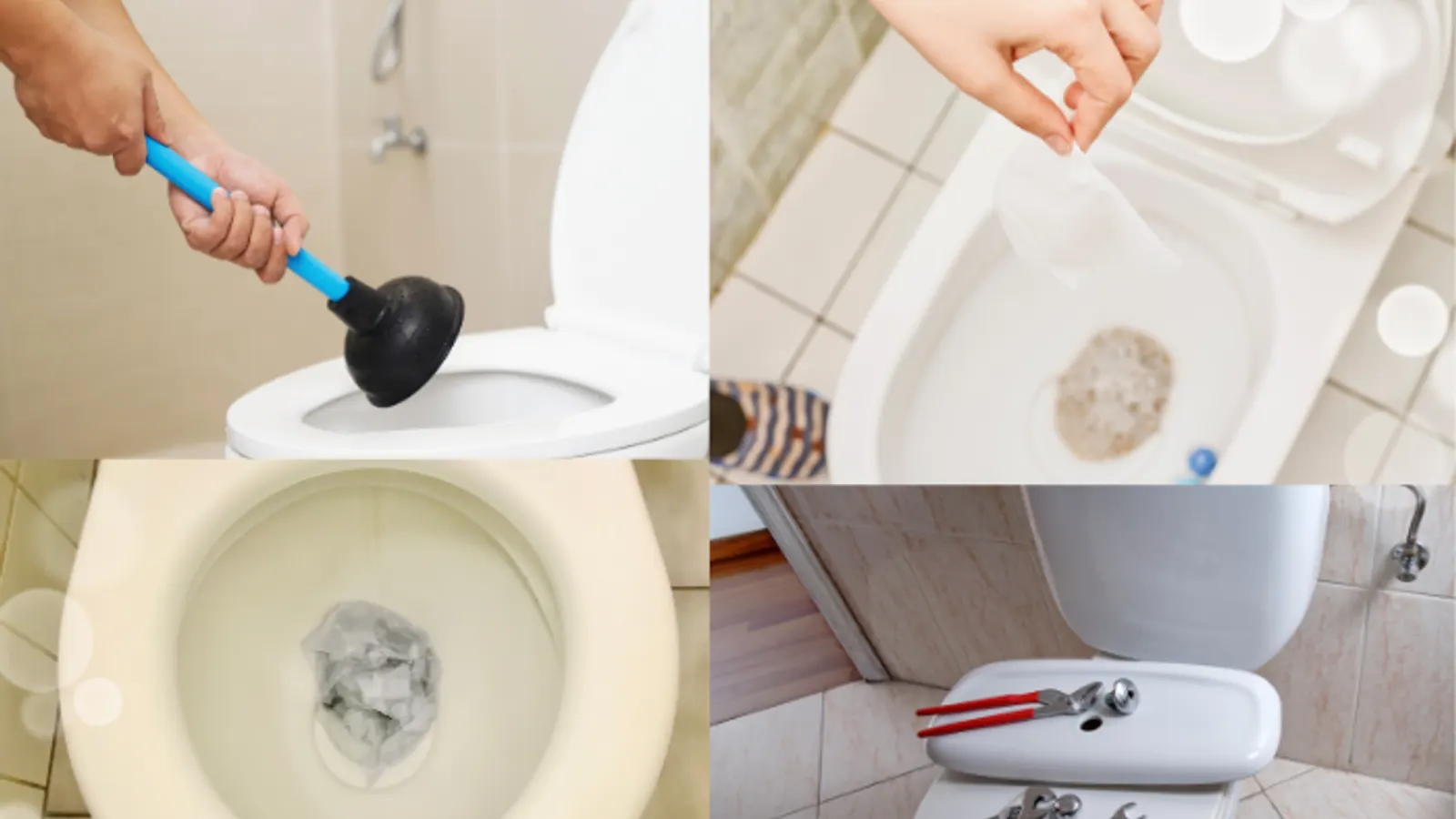
Start by Identifying the Toilet Symptom
A toilet that runs, clogs, leaks, rocks, or flushes poorly may have a fixture-level problem, or it may be the first visible sign of a broader drain or supply issue. Limit homeowner checks to safe, accessible observations. Stop if water is escaping, sewage is backing up, the shutoff does not work, or the repair requires removing the toilet or opening concealed plumbing.
A Toilet That Keeps Running
Remove the tank lid carefully and watch what happens after a flush. Common visible conditions include a flapper that does not seal, a chain that binds, water flowing into the overflow tube, or a fill mechanism that does not stop at the expected level.
Do not force brittle parts or make random adjustments. Identify the toilet model where possible and use compatible replacement components. If the shutoff will not close or a supply connection shows corrosion, include that condition in the service request.
A running toilet can waste water even when no leak appears on the floor. Confirm the tank becomes quiet and the bowl does not continue receiving water after any adjustment.
A Toilet That Will Not Flush Well
Weak flushing can involve the tank water level, flush mechanism, bowl passages, a local obstruction, or a drainage problem. First determine whether other fixtures drain normally.
If only one toilet is affected and the bowl level is normal, a fixture issue is more likely. If nearby drains gurgle or several fixtures slow together, stop repeated flushing and consider a shared drain restriction.
A Clogged Toilet
Do not keep flushing a rising bowl. Close the toilet's shutoff if needed and give the water level time to settle.
A suitable toilet plunger may clear a simple local obstruction. Use controlled pressure and stop if the bowl threatens to overflow. Do not mix chemical drain products, and do not use a tool that could damage the porcelain or push a hard object deeper.
If the toilet repeatedly clogs, another fixture changes when it flushes, or sewage appears at a tub or shower, use the clogged drain repair guide. The issue may extend beyond the toilet trap.
Water Around the Base
Water near a toilet can come from the supply connection, tank hardware, condensation, bowl, or base seal. Dry the area and observe where moisture first returns without repeatedly flushing a visibly leaking fixture.
A failed base seal can allow wastewater beneath the toilet. A rocking bowl may contribute to seal failure and can indicate mounting or floor concerns. Stop using the fixture if water escapes at the base.
Removing and resetting a toilet requires lifting, compatible parts, mounting evaluation, and testing. The fixture installation page explains what a complete scope should cover.
A Rocking or Unstable Toilet
A toilet should not move during normal use. Tightening bolts aggressively can crack porcelain and does not correct an uneven or damaged support surface.
An evaluation should distinguish loose mounting from a problem with the flange, finished floor, or subfloor. Ask which part is damaged and whether finish or structural restoration falls outside the plumbing work.
Slow Filling or Supply Noise
Check whether the shutoff appears fully open only if it operates normally and can be reached safely. A local fill-valve condition, restricted supply, pressure issue, or failing shutoff can affect refill.
If several fixtures have low pressure, the cause may not be the toilet. Describe the whole-property pattern rather than requesting a toilet part based on one symptom.
Cracked Porcelain
Do not use a toilet with a visible structural crack, especially one that leaks or changes under load. Porcelain can fail suddenly and has sharp edges. Replacement is generally safer than attempting to patch a compromised bowl or tank.
When the Toilet Points to the Main Sewer
Call for drainage evaluation when:
- more than one toilet or drain is affected;
- flushing changes the water level in a tub or shower;
- wastewater returns through a lower drain;
- gurgling occurs across fixtures;
- a blockage returns after clearing; or
- sewer odor appears with drainage changes.
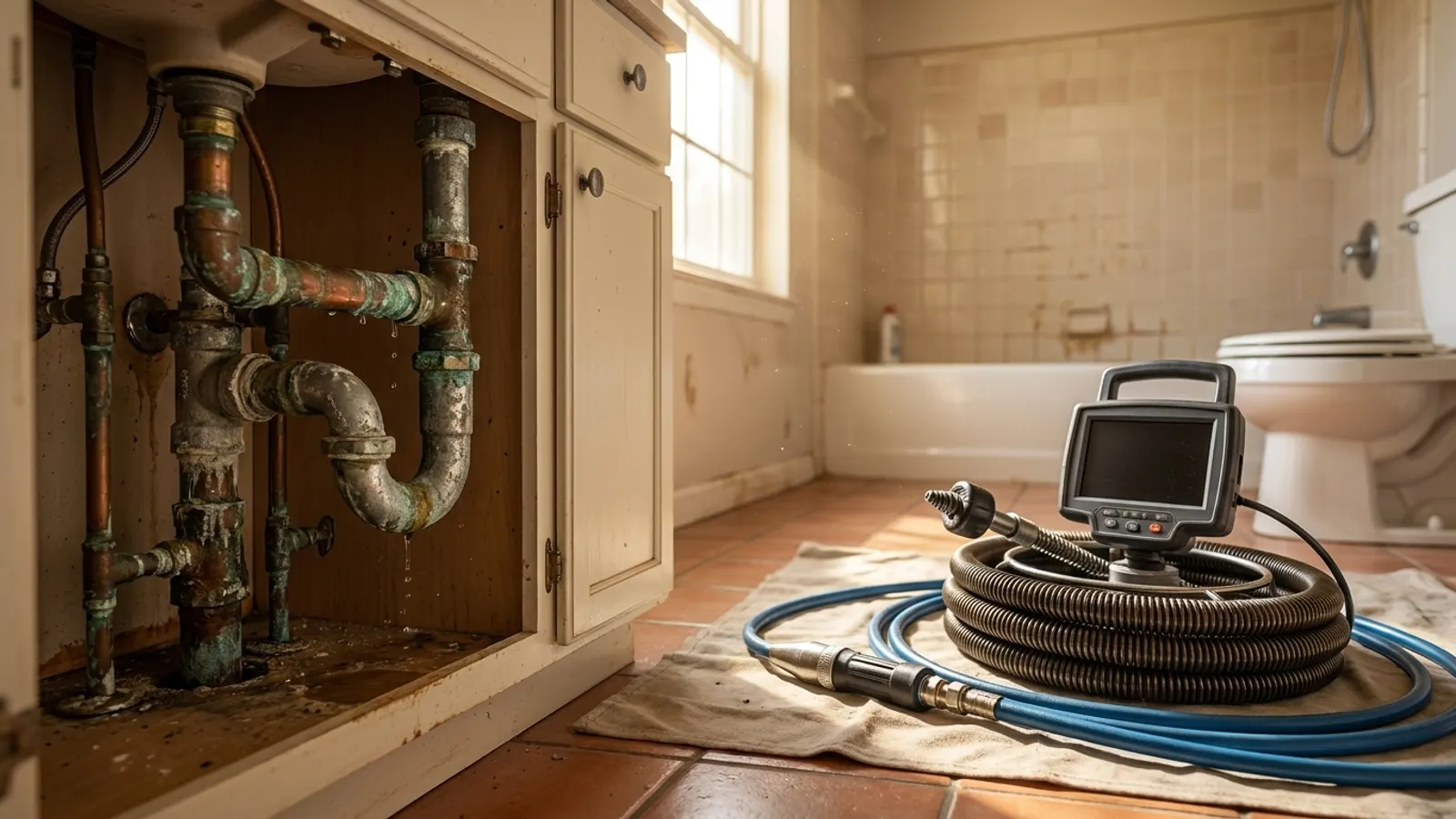
Stop using water until the main-line concern is assessed. A sewer camera inspection may help when the problem recurs or structural damage is suspected, but a camera does not clear the blockage by itself.
Before You Approve a Repair
Ask the plumber to identify the failed component, whether the toilet must be removed, which parts are included, how the flange and floor will be handled, and how the fixture will be tested. If replacement is proposed, confirm product supply, dimensions, rough-in compatibility, removal, and disposal.
JB Water & Air warrants its own labor for two years and returns to make failed work right at no cost. The guarantee covers labor on the toilet work JB performed, not porcelain, manufacturer parts, retained plumbing, or unrelated drains, and it excludes normal wear, manufacturer defects, and damage from outside causes. Keep the job documents so the approved scope is on record.
When to Call Immediately
Treat sewage entering the property, uncontrolled supply water, water near electrical equipment, or an essential toilet that cannot be safely isolated as urgent. Follow the emergency plumbing checklist and call (480) 969-3193. JB Water & Air is open 24 hours a day, seven days a week, though arrival timing must be confirmed by phone.
For a non-urgent toilet repair or replacement request, use the contact page and share the model if known, exact symptom, whether the shutoff works, and whether other fixtures are affected.