Drains & Sewer5 min read
Tree Roots in Sewer Lines: Clear, Inspect or Repair?
Learn how root intrusion reaches sewer piping, what the warning signs mean, why clearing may be temporary, and how inspection guides repair or replacement.
By JB Water & Air · Published Nov 3, 2025 · Reviewed Sep 2, 2026
- 4.9 · 580 Google reviews
- CR-77 licensedROC #260511 · CR-77
- Open 24/7
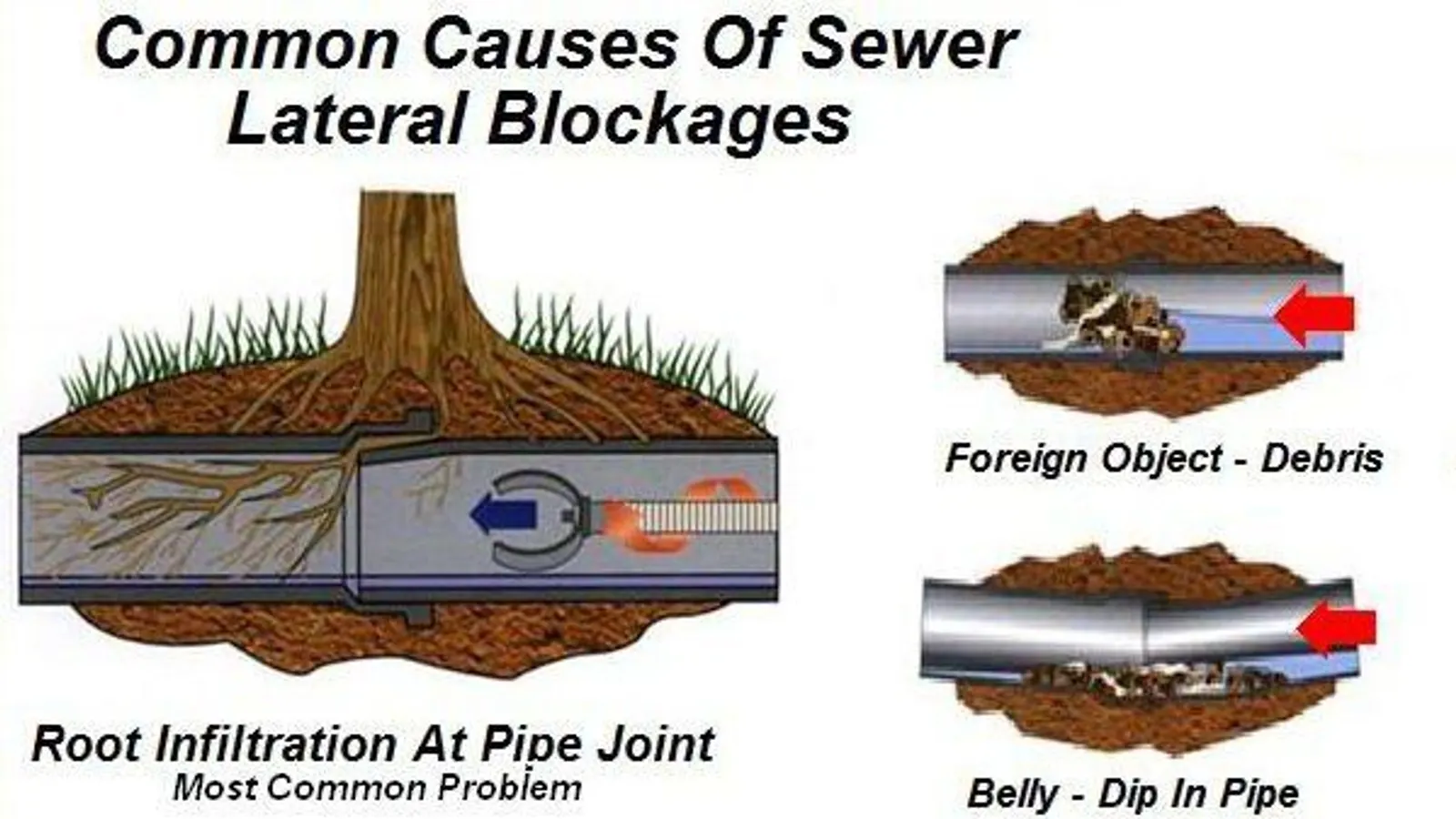
Tree roots in a sewer line are usually both a blockage problem and a pipe-condition problem. Clearing the roots may restore flow, but inspection is needed to locate the entry point and evaluate the pipe. If an open joint, crack, offset, or failed section remains, roots can return. The right sequence is normally to protect the property, clear enough material to inspect, document the defect, and then choose monitoring, repair, or replacement based on evidence.
How Roots Enter a Sewer Line
Roots seek moisture and can exploit an opening that already exists in the piping or a connection. They do not need to “break into” a sound pipe for the problem to begin. Older joints, movement, corrosion, cracks, and prior repairs can create entry points.
Once fine roots reach the inside, they can collect paper and waste. The combined mass restricts flow and may expand. That is why a root-related stoppage can recur even after the line has been opened: clearing the obstruction does not automatically close the defect that admitted it.
Roots are only one possible cause of recurring sewer trouble. Grease, wipes, settled pipe, a broken section, scale, or an installation problem can create similar symptoms. A diagnosis should not be based on the presence of trees alone.
Warning Signs and Immediate Steps
Possible signs include:
- several fixtures draining slowly at the same time;
- gurgling after a toilet flush or appliance discharge;
- wastewater appearing at a shower, tub, or low drain;
- a main-line stoppage that returns after prior cleaning; and
- a service history that repeatedly identifies roots at a similar distance.
If wastewater is backing up, stop using toilets, sinks, showers, dishwashers, and washing machines. More discharge can increase contamination and damage. Keep people and pets away from affected water, avoid opening a cleanout you cannot control, and review the main-drain response steps. Use the contact page to report which fixtures are affected and whether wastewater is contained.
Step 1: Restore Enough Access to Inspect
A technician may need to remove or reduce the obstruction before a camera can travel through the line. The appropriate clearing method depends on pipe condition, access, diameter, and the material in the line.
Mechanical cutting can remove a root mass, but it may leave smaller roots or a rough opening. Water-jet cleaning may remove attached material when the pipe and access are suitable. Neither method should be presented as a permanent root solution without knowing what the pipe looks like afterward.
The hydrojetting service guide explains the questions that should be answered before high-pressure cleaning is selected. Pressure, nozzle, access, and pipe condition matter; more force is not always safer or more effective.
Avoid pouring an unverified root-killing chemical into the drain as a substitute for diagnosis. Product directions, local wastewater requirements, pipe materials, exposure hazards, and effects on vegetation all matter. A chemical claim cannot show whether a sewer is cracked, offset, or partially collapsed.
Step 2: Inspect and Document the Pipe
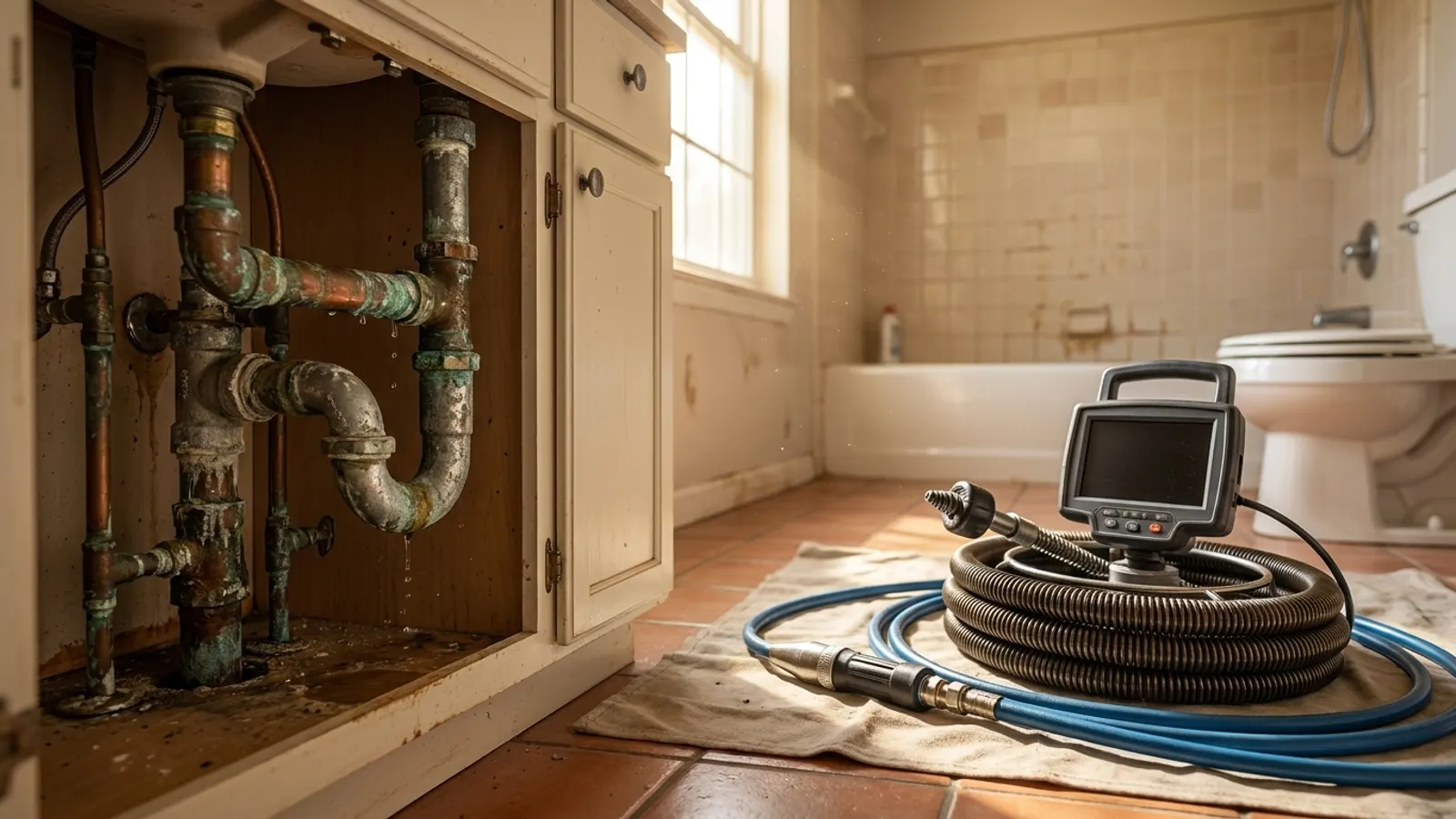
A sewer camera can help locate an opening, observe retained material, and identify conditions that justify a repair discussion. The useful deliverable is not merely “we ran a camera.” Ask for the location, accessible footage or images, the observed condition, and any limitations that kept part of the line from being viewed.
Camera footage also has limits. Standing water, residue, poor access, and an uncleared obstruction can hide pipe surfaces. A camera view may identify a defect but does not by itself determine property lines, repair responsibility, or exact depth. Those questions may require records, locating, or other work.
Read the sewer video-inspection guide for a checklist of information to request from an inspection.
Step 3: Decide Between Monitoring, Repair and Replacement
The least disruptive adequate option depends on what the inspection shows.
Clear and monitor
Monitoring may be considered when flow has been restored, the pipe remains serviceable, and the customer understands the possibility of recurrence. The plan should state what symptoms trigger another inspection and keep a record of where roots were found. Repeated clearing costs should be compared with correcting the entry point.
Repair a defined section
A localized defect may support a localized repair when the surrounding pipe is suitable. The scope should identify the section, access method, connection details, and how completion will be checked. Repairing one opening does not correct unrelated defects elsewhere in the line.
Rehabilitate a suitable run
Some existing pipes can be rehabilitated from available access rather than fully excavated. Eligibility depends on configuration, structural condition, diameter, connections, and the ability to prepare the host pipe. The trenchless sewer-repair overview explains why inspection and scope confirmation come before choosing the method.
Excavate and replace
Open excavation may be necessary where pipe has collapsed, alignment must be corrected, access is unsuitable for rehabilitation, or other site conditions rule out a less invasive approach. The proposal should distinguish excavation, piping, surface restoration, permits if applicable, and work outside the contractor’s scope.
The broader sewer-line service category connects these options to the evidence a contractor should document.
What a Useful Sewer Proposal Should Include
Ask for the observed defect and location, the proposed method, exclusions, access requirements, surface impacts, and how the completed work will be verified. If trees or substantial roots are involved, landscaping and arboricultural decisions may need input beyond the plumber’s scope. Do not assume removing a tree will repair an existing pipe, and do not authorize root cutting near a valuable tree without understanding the consequences.
No method can promise that a separate defect will never develop or that every future stoppage is eliminated. A strong plan connects a documented condition to a defined scope and explains what remains unchanged.
The Practical Decision
For a first, clearly isolated stoppage, clearing may be enough to restore use. For recurring roots, the higher-value question is where they enter and what condition surrounds that point. JB Water & Air provides drain, camera, sewer-line, and trenchless service categories in Mesa. When requesting help, share prior reports, the location of any cleanouts, affected fixtures, and the history of recurrence so the next step can be based on evidence rather than guesswork.