Drains & Sewer4 min read
Five Ways to Prevent Holiday Plumbing Problems
Prepare kitchens, bathrooms, drains, and shutoffs before guests arrive with five practical steps that reduce common holiday plumbing trouble.
By JB Water & Air · Published Nov 9, 2025 · Reviewed Sep 2, 2026
- 4.9 · 582 Google reviews
- CR-77 licensedROC #260511 · CR-77
- Open 24/7
Holiday plumbing trouble is rarely festive. More cooking, more showers, and more people using the same fixtures can expose a slow drain, weak disposal, running toilet, or aging water-heater connection that was already developing.
No checklist can guarantee a problem-free gathering, but a little preparation can reduce avoidable strain and help you respond calmly if something goes wrong. These five steps focus on safe prevention rather than last-minute chemical fixes.
1. Give kitchen drains less work
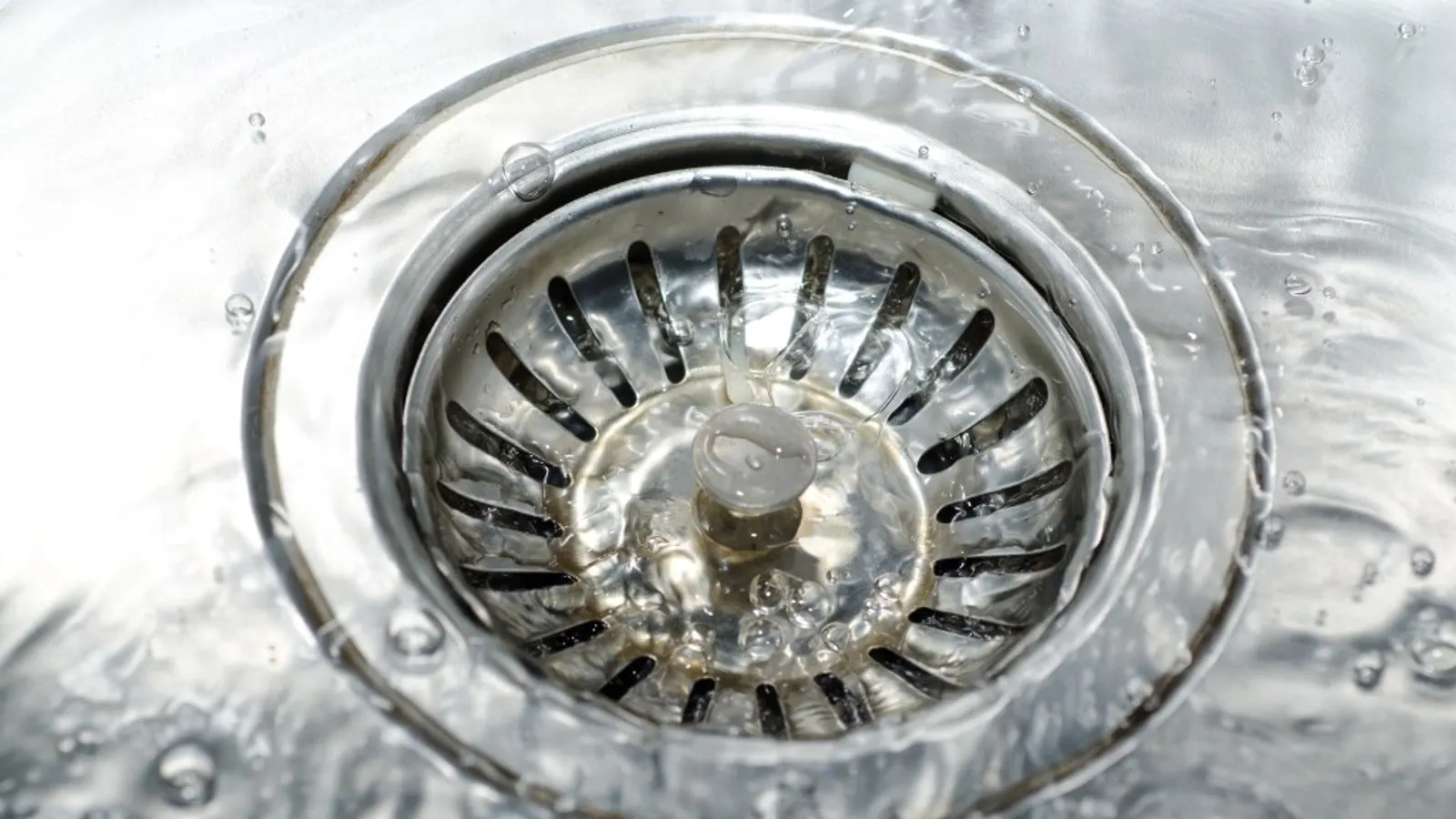
Cooking grease may pour like a liquid, but it can cool and cling to a drain line. Collect fats, oils, and greasy pan residue in a suitable container instead of sending them down the sink. Wipe heavily soiled cookware before washing it.
Keep fibrous scraps, bones, shells, coffee grounds, and expanding starches out of the garbage disposal. A disposal cuts material into smaller pieces; it does not make every food safe for the drain. Feed approved scraps gradually with the water flow recommended by the manufacturer, and never put a hand into the unit. Disconnect power and follow the manual before attempting even a basic inspection.
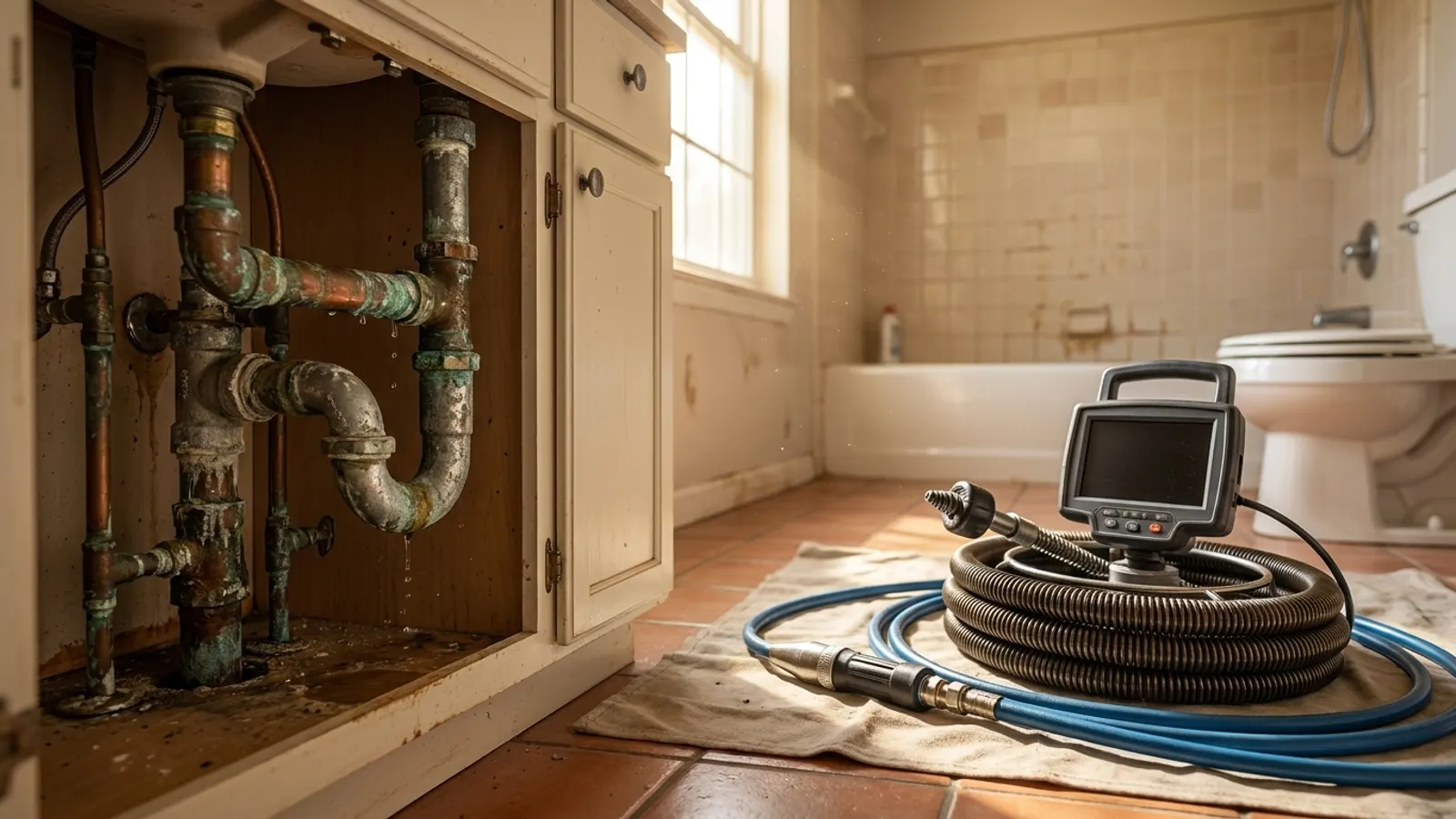
If the sink is already draining slowly, deal with it before guests arrive. A recurring kitchen clog can reflect buildup deeper than the visible trap. The drain-cleaning service page explains how the location and pattern of a backup help determine the next step.
2. Check toilets and guest bathrooms early
Flush each toilet and watch what happens. Water should leave the bowl normally, the tank should refill, and the fixture should stop running. Rocking at the base, moisture around the floor, repeated clogging, or a valve that will not close deserves attention before use increases.
Place a wastebasket where guests can see it. Wipes, paper towels, hygiene products, cotton swabs, and similar items belong in the trash even when a package uses language such as “flushable.” Toilet paper and normal waste are what residential drainage systems are generally designed to carry.
A plunger can be reasonable for a simple toilet clog if there is no chemical cleaner in the bowl and the fixture is not overflowing across an unsafe area. Stop if plunging causes another fixture to gurgle or back up. That pattern can point to a larger branch or sewer-line problem rather than one blocked toilet.
3. Learn the shutoffs before you need them
Find the home’s main water shutoff and the accessible fixture shutoffs for toilets, sinks, and appliances. Make sure household members know where they are. Do not force a corroded, painted, inaccessible, or unfamiliar valve; a fragile valve can fail when disturbed.
For an active supply leak, closing a safe, accessible shutoff may limit damage while help is arranged. Keep people away from standing water near electrical equipment. If water is approaching electrical components, use appropriate emergency guidance rather than entering the area to reach a valve.
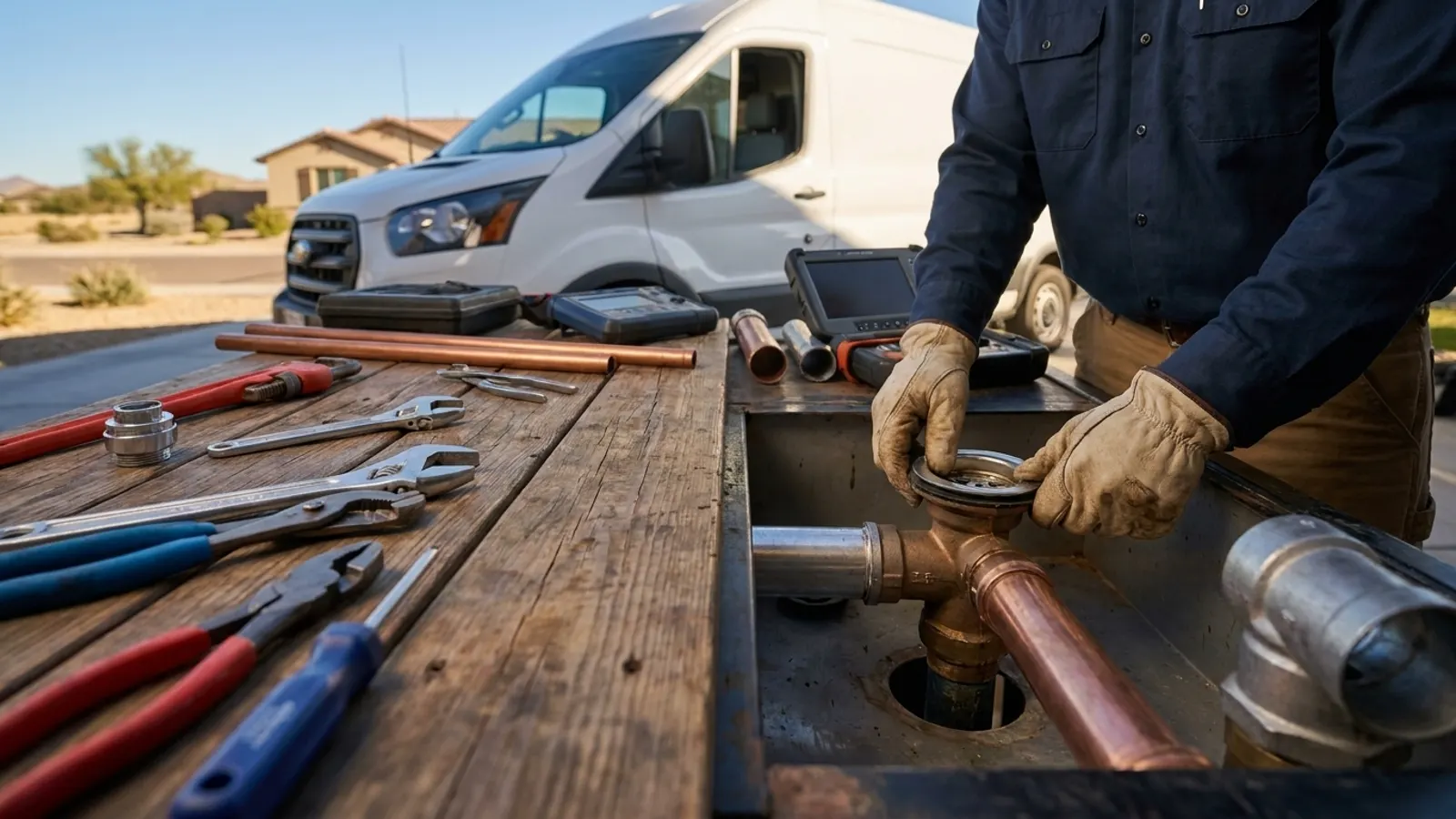
JB Water & Air’s pipe-repair information describes the difference between controlling damage and identifying the failed pipe or connection. A shutoff is a first step, not a diagnosis.
4. Look for water-heater warning signs
Extra showers can reveal a capacity issue, but a sudden change can also indicate a thermostat, heating element, burner, control, mixing, or plumbing problem. Before the gathering, look for water around the unit, active corrosion, damaged connections, unusual sounds, an error code, or inconsistent hot-water delivery.
Do not remove covers, adjust gas components, defeat a relief valve, or attempt a repair without the required knowledge. Hot water, electricity, fuel gas, combustion venting, and stored pressure create hazards that go beyond ordinary drain maintenance. The water-heater service page outlines the information to collect for a professional assessment.
If the unit is leaking, avoid touching wet electrical equipment. If you smell gas, leave the area and contact emergency services or the gas utility from a safe location. Do not operate switches or search for the leak yourself.
5. Pay attention to patterns, not just one fixture
One slow bathroom sink often points to a local obstruction. Several slow fixtures, toilet bubbling when another drain runs, wastewater at a low drain, or a backup that returns soon after clearing can indicate a broader drainage problem.
Stop using water when continued flow is making a backup worse. Keep people and pets away from wastewater, which should be treated as contaminated. A qualified plumber may need to determine whether the issue is in a fixture, branch line, private sewer lateral, or utility-owned system. Sewer-line service information can help you describe the symptoms accurately.
Build a simple holiday plumbing kit
Preparation does not require a cabinet full of drain chemicals. Keep these items accessible:
- a correctly sized sink plunger and a separate toilet plunger;
- a flashlight and disposable gloves;
- absorbent towels and a bucket for clean-water drips;
- the water-heater manual and appliance model numbers;
- the main-shutoff location; and
- the number for a plumbing company and, where relevant, the water and gas utilities.
Avoid mixing drain products or adding a home remedy after a chemical cleaner. A technician needs to know what entered the line so the work can be planned safely.
When to arrange help
Call promptly for an uncontrolled leak, sewage backup, suspected gas issue, water near electrical equipment, or a water heater that is leaking significantly. For a routine slow drain or fixture concern, schedule before the holiday if possible; availability and arrival times always need direct confirmation.
JB Water & Air is a family-owned Mesa company serving plumbing needs across its published East Valley area. To ask whether a specific issue is within scope and confirm current availability, contact JB Water & Air at (480) 969-3193. Describe every affected fixture, when the symptom began, and any product already placed in the drain.