Water Quality6 min read
Is Mesa Tap Water Safe to Drink? What to Check First
A practical Mesa tap-water safety guide: check advisories and the current water report, identify home-specific warning signs, and choose the right test.
By JB Water & Air · Published Nov 9, 2025 · Reviewed Sep 2, 2026
- 4.9 · 580 Google reviews
- CR-77 & CR-39 licensed
- Open 24/7
The safest answer to “Is my water safe to drink?” comes from current information about your water source, not from taste, clarity, or a countertop demonstration. Mesa municipal customers can start with the City of Mesa’s current water-quality report and any active notices. A private well, a building-wide plumbing concern, and a problem at one faucet each call for a different next step.
If a public agency or water provider has issued a drinking-water advisory, follow that notice exactly. Do not assume a refrigerator filter, reverse-osmosis unit, or water softener overrides it. The CDC notes that water should still be boiled during a boil-water advisory even if it has passed through a home filter. Boiling can kill many germs, but it does not make water safe when the concern is a chemical or toxin; in some cases, it can concentrate substances as water evaporates.
First, check whether there is an active advisory
For municipal water, look at the utility’s website or call the number on the water bill. The City of Mesa publishes its annual Consumer Confidence Report and water-quality contacts on its water-quality page. The report summarizes regulated testing for the system, explains where the water comes from, and lists detected substances in the reporting period.
An annual report is useful context, but it is not a live test of one kitchen tap. It also cannot describe a problem introduced by a home’s service line, water heater, treatment equipment, or interior plumbing after water enters the property.
During an advisory, use the agency’s instructions for drinking, cooking, brushing teeth, making ice, preparing infant formula, and caring for pets. Different advisories require different actions:
- A boil-water advisory generally addresses a possible microbial risk.
- A do-not-drink advisory can involve a substance boiling will not correct.
- A do-not-use advisory is more restrictive and may prohibit contact as well as consumption.
The CDC overview of drinking-water advisories explains these distinctions. When the utility’s directions and general internet advice differ, use the utility or public-health direction for the specific event.
Separate a system-wide concern from a household problem
A symptom at every cold-water tap may point in a different direction than a symptom at one faucet. Before calling, make a few observations without trying to diagnose the cause:
- Is the property on municipal water or a private well?
- Is the issue at one outlet, several outlets, or the whole property?
- Does it affect cold water, hot water, or both?
- Did it begin after plumbing work, a service interruption, or treatment-system maintenance?
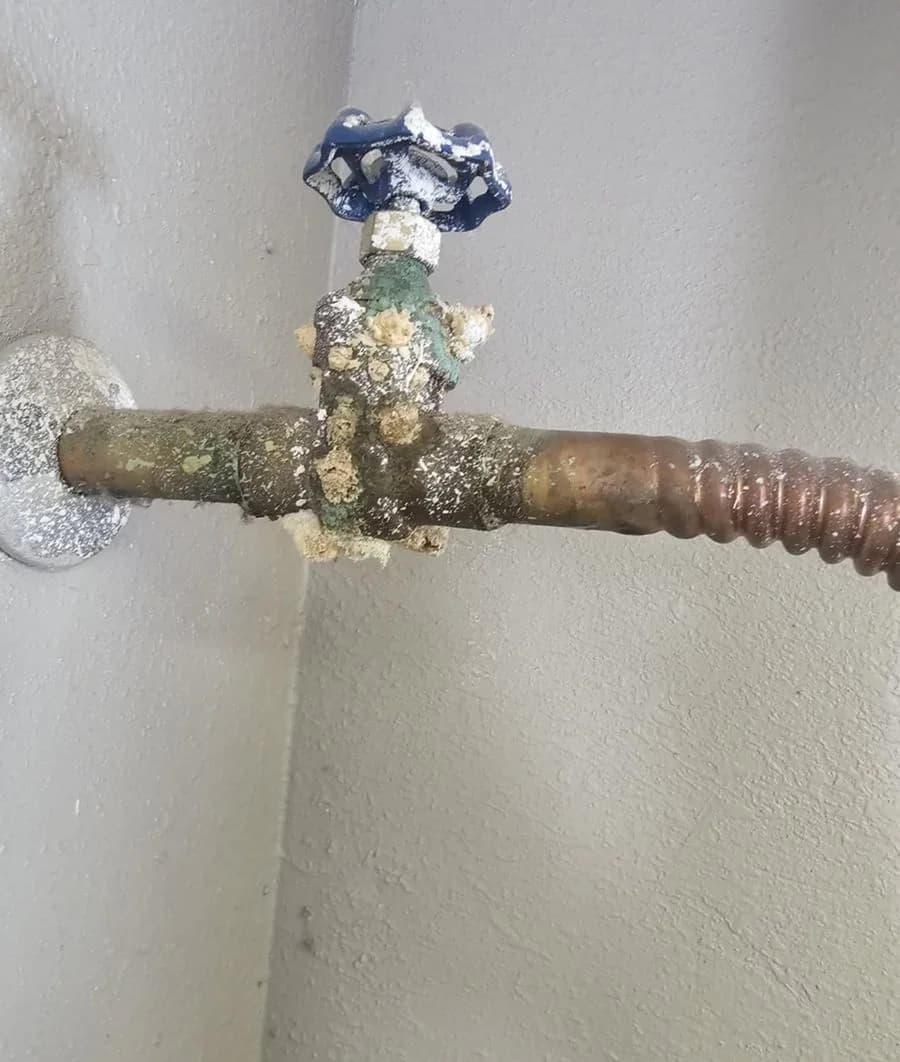
- Is there an unusual color, odor, taste, oily film, visible sediment, or sudden pressure change?
- Are neighbors supplied by the same utility seeing the same thing?
Water that smells only when hot may warrant checking the water heater. A metallic taste at one little-used faucet may involve that fixture or nearby plumbing. Discoloration throughout the home after utility work may call for the water provider first. These patterns help route the question; they do not prove the water is safe or identify a contaminant.
If several people become ill, if there is suspected chemical exposure, or if an official notice applies, contact the appropriate public-health or medical professional. A plumbing company cannot diagnose an illness.
Clear water is not a safety test
Some regulated contaminants have no obvious taste, color, or odor. Conversely, chlorine taste, mineral spotting, or hardness scale does not by itself mean the water is unsafe. Hardness primarily describes dissolved calcium and magnesium and is usually addressed as a household performance concern: scale, soap behavior, and deposits on wetted equipment.
This is why a useful water evaluation begins with a defined question. A hardness demonstration may help size or discuss a softener, but it is not a certified analysis for bacteria, lead, arsenic, PFAS, or every other possible substance. Ask what a proposed test measures, who performs it, what sampling method is required, and whether a certified laboratory is appropriate.
Arizona’s environmental agency advises private-well owners to use appropriate testing and provides information about certified laboratories. Public-water customers with a suspected utility issue should generally contact their water provider first. For a health-specific concern, ask the relevant agency or clinician which analytes and sampling method matter before buying a broad consumer kit.
Match treatment to the identified concern
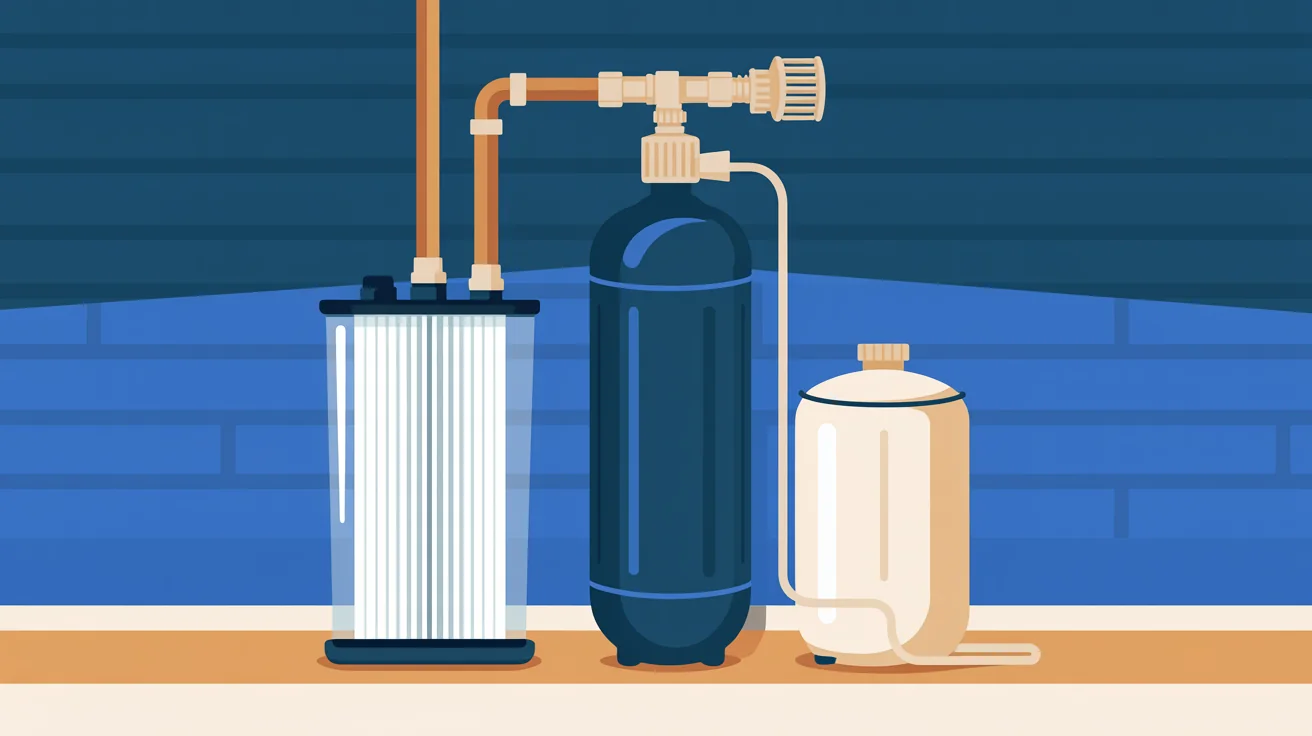
Home water equipment is not interchangeable. A conventional softener reduces hardness minerals through ion exchange; it is not a general safety device. Activated carbon may reduce certain tastes, odors, or substances when the exact product is designed and maintained for them. Reverse osmosis and distillation work differently and have different output, maintenance, and performance considerations.
The CDC’s guidance on choosing a home water filter recommends identifying what is in the water and checking a product’s label or certification for the reduction sought. No treatment should be described as removing a contaminant unless the specific system has documentation for that claim under applicable conditions.
JB Water & Air’s water-treatment overview explains softening, whole-home filtration, reverse osmosis, and distillation without treating one product as a universal answer. The more detailed Pure Water guide also covers point-of-use versus whole-home decisions.
A practical Mesa checklist
Use this order when you are uncertain about drinking water:
- Check active notices. Look at the City of Mesa or your actual water provider, because service areas do not always follow city boundaries.
- Read the current report. Confirm the reporting year and the system named on your bill.
- Document the symptom. Note which taps, hot or cold, when it began, and any recent plumbing or utility work.
- Call the right authority. Utility-wide concern: water provider. Possible exposure or illness: public-health professional or clinician. Private well: an appropriate laboratory or well professional.
- Test for a defined purpose. Confirm analytes, sampling instructions, laboratory status, fee, and turnaround time before relying on a result.
- Choose equipment only after defining the goal. Verify the exact product’s performance claims and maintenance requirements.
JB Water & Air began with John Bevell’s work in water distillation in 1981 and now provides water treatment and licensed plumbing services in Mesa. That history supports a conversation about equipment; it does not replace a utility report, laboratory result, or medical opinion. To discuss a household water symptom or ask what type of evaluation is currently available, contact JB Water & Air or call (480) 969-3193. No particular test scope, price, or result time should be assumed until it is confirmed.
Frequently asked questions
Does a water-quality report prove my kitchen tap is safe today?
No. It reports required system-level information for a stated period. It is the right starting point for municipal water, but a current advisory or a property-specific plumbing issue may require a different response.
Can I tell whether water is safe by looking at it?
No. Some concerns are invisible and odorless, while hardness or chlorine taste may be noticeable without establishing an immediate health hazard. Use current official information and testing suited to the specific question.
Does boiling remove every contaminant?
No. Boiling is used for certain microbial advisories. It does not remove chemical contaminants and can concentrate some substances. Follow the exact language of the applicable notice.
Is an in-home screening the same as certified laboratory testing?
No. A screening may demonstrate selected characteristics, while a laboratory analysis follows defined methods for named analytes. Ask what is being measured and who performs the work.