Water Quality4 min read
Mesa Hard Water: What It Means and What It Does Not
Understand hardness, scale, testing and treatment choices in Mesa without confusing mineral content with a complete drinking-water safety result.
By JB Water & Air · Published Jul 1, 2026 · Reviewed Sep 2, 2026
- 4.9 · 580 Google reviews
- CR-77 & CR-39 licensed
- Open 24/7
The short version: Hardness describes dissolved minerals, commonly calcium and magnesium. It can contribute to scale, spotting, and changes in soap performance, but it is not a complete measure of drinking-water safety. Test or consult the water provider's current report for the question you actually need answered.
What “Hard Water” Means
Water picks up dissolved minerals as it moves through its source and distribution environment. Hardness is typically reported as a concentration or classification, not simply “hard” or “soft.” The number can vary by supply, blending, season, and property conditions, so this page does not publish an unverified Mesa-wide hardness value.
The visible signs are familiar:
- white or chalky residue on fixtures;
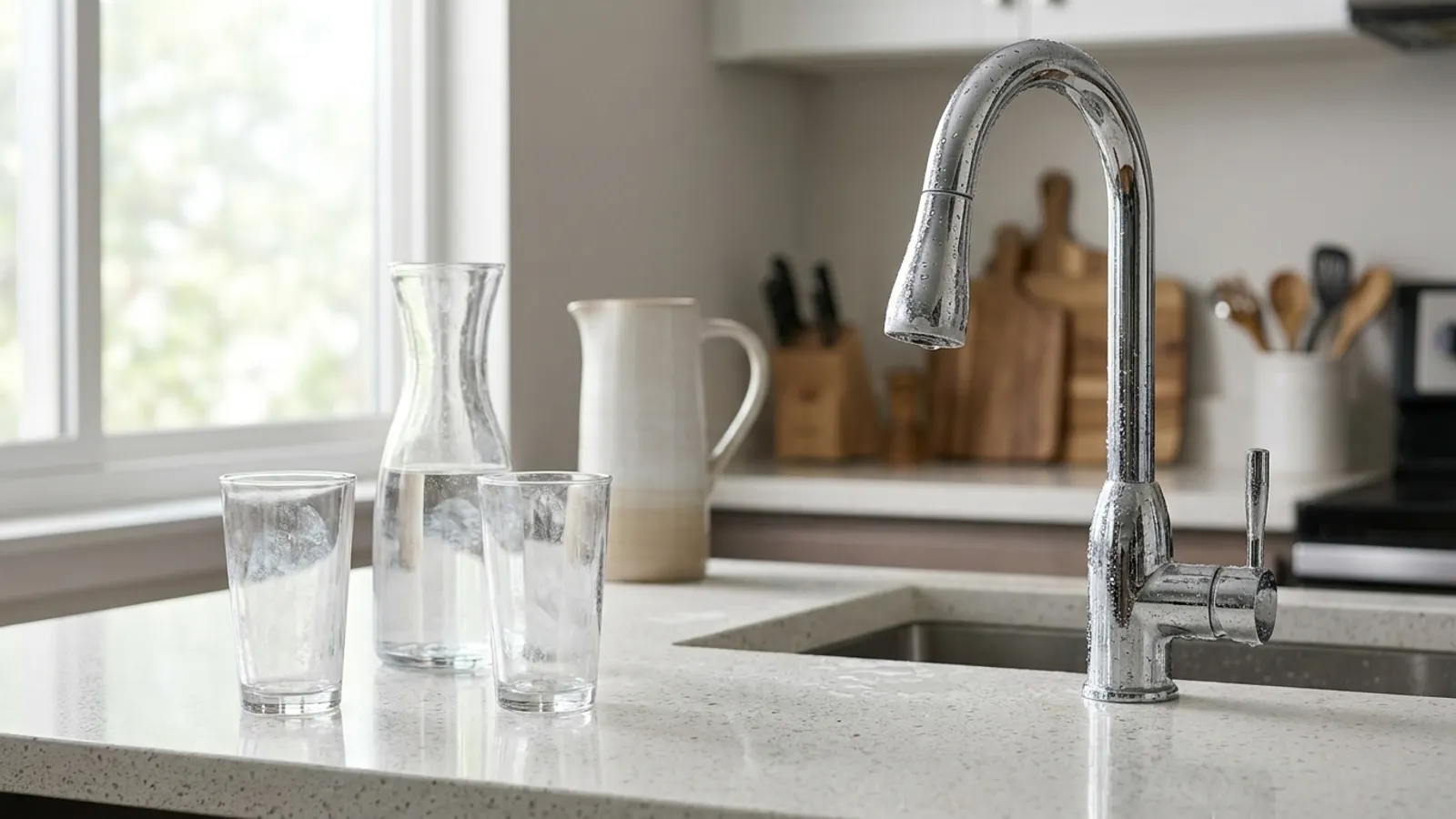
- spotting after water dries on glass or dishes;
- scale at aerators and showerheads;
- soap behaving differently than expected; and
- mineral accumulation in water-heating or water-using equipment.
Those signs support a hardness question. They do not identify every substance in the water.
Hardness Is Not the Same as Contamination
Calling water hard does not by itself mean it is unsafe, and calling water soft does not prove it is safe. A safety assessment depends on specific constituents, concentrations, applicable standards, sampling, and interpretation.
For public-water system information, start with the City of Mesa's current annual water-quality report rather than an old blog statistic. The report addresses system-level monitoring; it may not describe a property-specific issue introduced by private plumbing, a treatment device, or a local condition.
If taste, odor, color, health, or a named contaminant is the concern, define that concern before purchasing equipment. JB Water & Air does not diagnose medical conditions or guarantee a health outcome from treatment.
What Hardness Can Do Around the Home
Fixtures
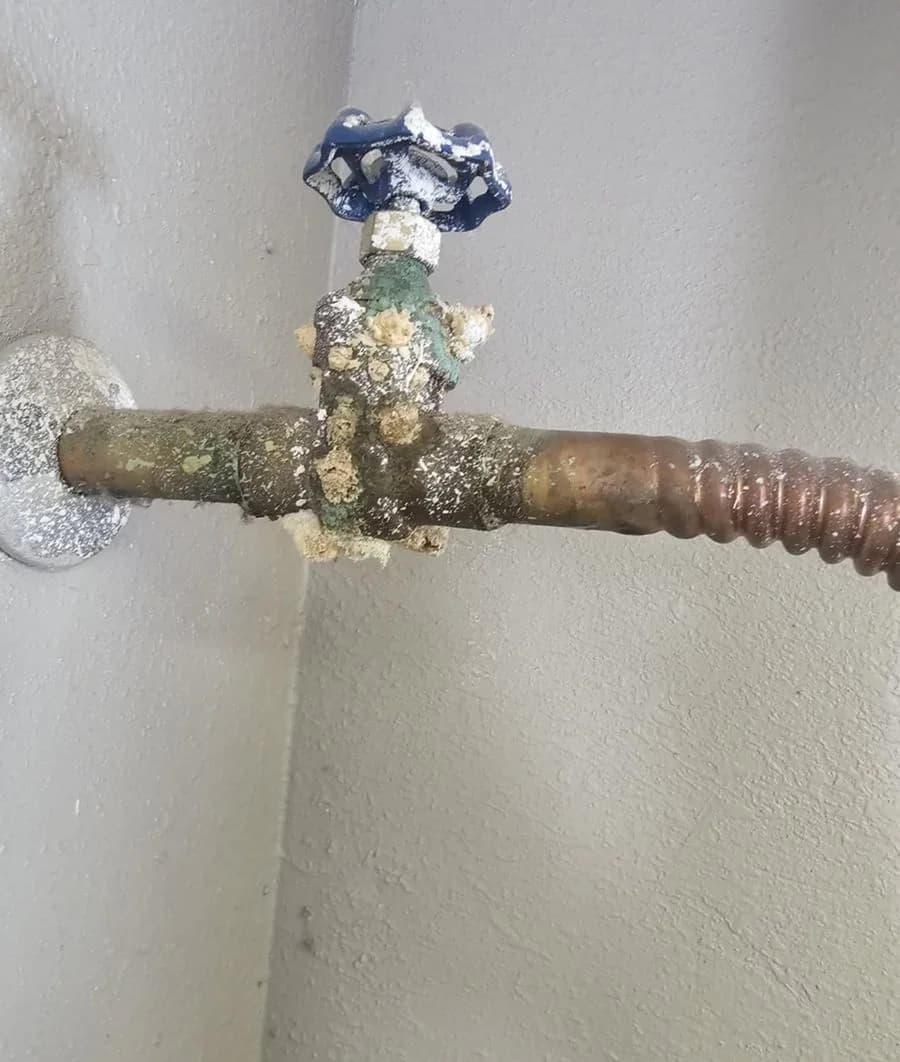
Mineral residue can narrow aerators and collect on surfaces. Cleaning may restore a fixture, while severe corrosion, a failing valve, or a leak is a separate plumbing problem.
Water heaters
Sediment and mineral accumulation can affect maintenance needs and performance. Noise or reduced hot-water delivery can have several causes, so scale should not be assumed from sound alone. The water heater repair guide explains how to compare service, repair, and replacement.
Appliances
Dishwashers, washing machines, humidifiers, coffee makers, and other water-using products have manufacturer-specific care requirements. Follow those instructions rather than applying one cleaning chemical or interval to every appliance.
Soap and cleaning
Hardness minerals can interact with soaps and leave residue. A softener may change how soap behaves, but that does not mean every cleaning complaint is caused by the water supply.
How to Confirm the Condition
A useful water test has a clear purpose.
- Identify the concern: hardness, taste, odor, sediment, a named substance, or something else.
- Decide whether a provider report answers it or a property sample is needed.
- Use an appropriate sampling method and laboratory when the question requires one.
- Record where and when the sample was taken.
- Compare the result with the treatment product's documented capability.
A sales demonstration can illustrate hardness or another narrow condition, but it should not be presented as a comprehensive safety test. Ask what was measured and what was not.
Softening, Filtration, RO, and Distillation
Water softening
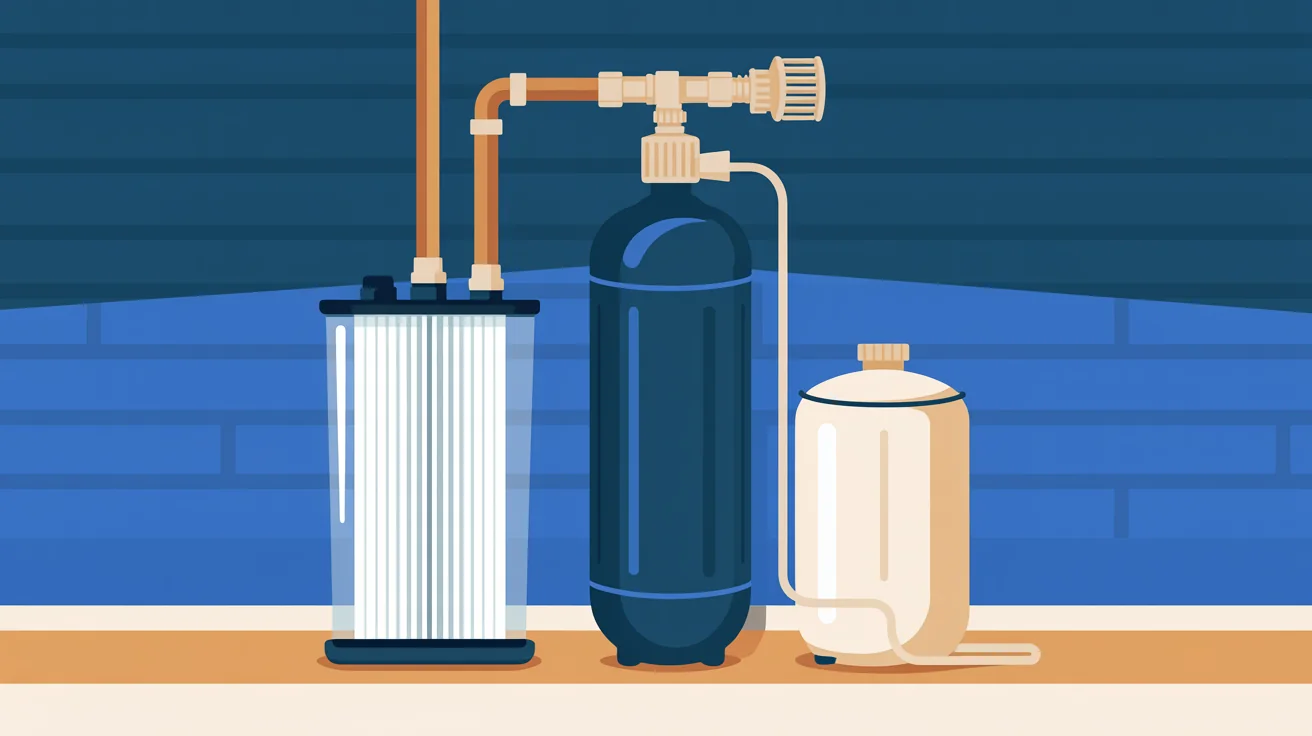
Ion-exchange softening addresses hardness minerals. It is commonly considered for whole-home scale and soap-performance concerns. Sizing, regeneration, salt use, discharge, and maintenance should be part of the proposal.
Filtration
Filters are media-specific. Sediment and activated-carbon filters address different conditions, and “whole-house filter” is not a performance claim by itself. Ask for the exact product and documented reductions.
Reverse osmosis
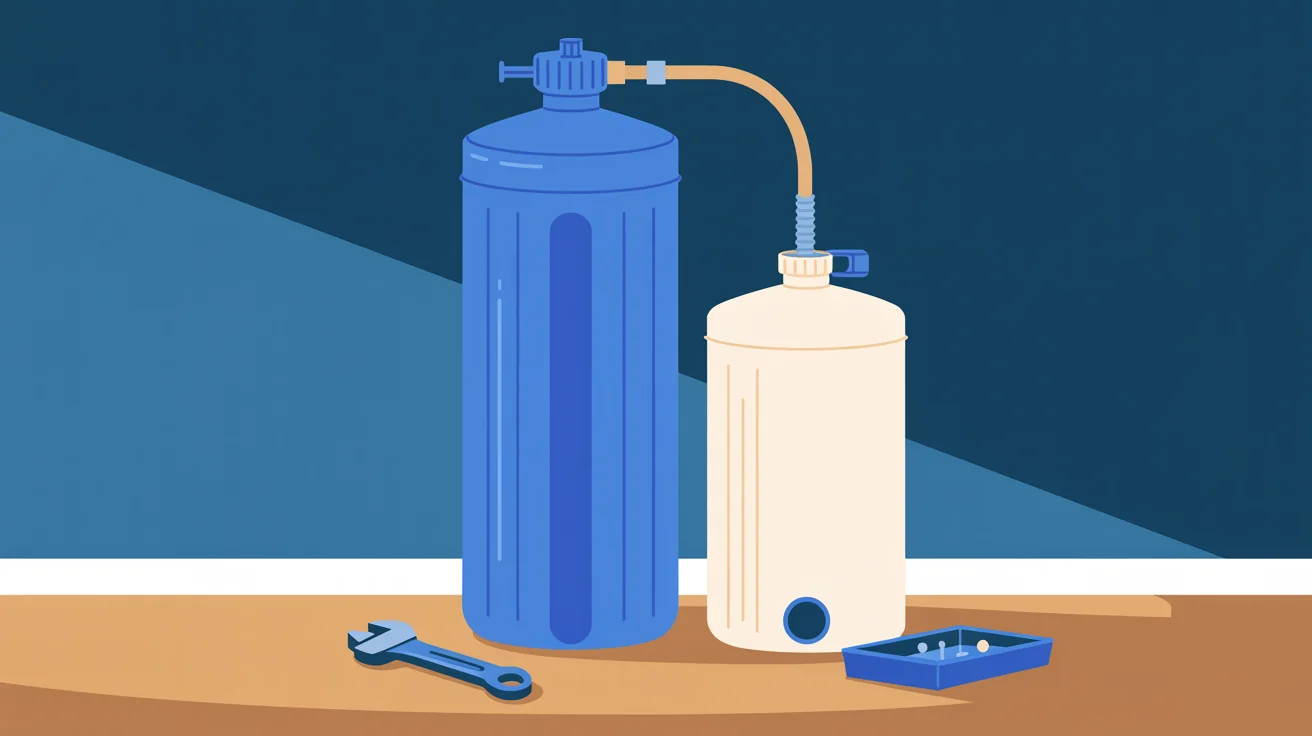
RO uses a membrane and is usually applied at the point of use for drinking and cooking water. It requires filter and membrane maintenance and sends some feed water to drain. Performance depends on the product and operating conditions.
Distillation
Distillation evaporates and condenses water. It uses energy, produces water at a stated rate, and requires cleaning and storage considerations. JB Water & Air's history began with water distillation in 1981, but that history does not make distillation the automatic choice today.
Compare these options on the RO versus distillation guide and the broader Mesa water treatment page.
Questions to Ask Before Buying Treatment
- What exact condition is the system intended to change?
- Is there a test result or provider report supporting the recommendation?
- Is treatment needed at one tap or throughout the home?
- What performance is documented, and under which standard?
- How much water, energy, salt, media, or replacement filters does it use?
- What maintenance must the owner perform?
- Which parts and labor are covered separately?
- What will the system not remove or change?
Do not rely on “pure,” “healthy,” “green,” or “removes everything” without definitions and product data.
A Practical Mesa Decision
If the issue is scale throughout the house, evaluate a softener around measured hardness and household use. If the goal concerns drinking or cooking water, a point-of-use filter, RO system, or distiller may be more proportionate. If the concern is a named contaminant or health question, get the appropriate evidence before selecting any system.
The Pure Water overview explains JB Water & Air's published options. To discuss a property-specific concern without an instant or online diagnosis, call (480) 969-3193 or use the contact page.