Water Quality5 min read
Does Distilled Water Help Weight Loss? Evidence and Safety
Distilled water has no proven special fat-loss effect. Learn what hydration can support, how distillation works and why fluid needs must be individualized.
By JB Water & Air · Published Nov 23, 2025 · Reviewed Sep 2, 2026
- 4.9 · 582 Google reviews
- CR-77 & CR-39 licensed
- Open 24/7
Distilled water is not a weight-loss treatment, and there is no sound basis for promising that it will remove fat, “flush toxins,” or produce a certain number of lost pounds. Drinking water can support normal hydration and may help someone replace a caloric beverage, but the type of plain water does not create a shortcut around nutrition, activity, sleep, medications, health conditions, or overall energy balance.
That distinction matters because older online advice often combines two separate claims: that water can be part of a healthy routine, and that distilled water has a unique fat-loss effect. The first is reasonable. The second is not established.
What distillation actually does
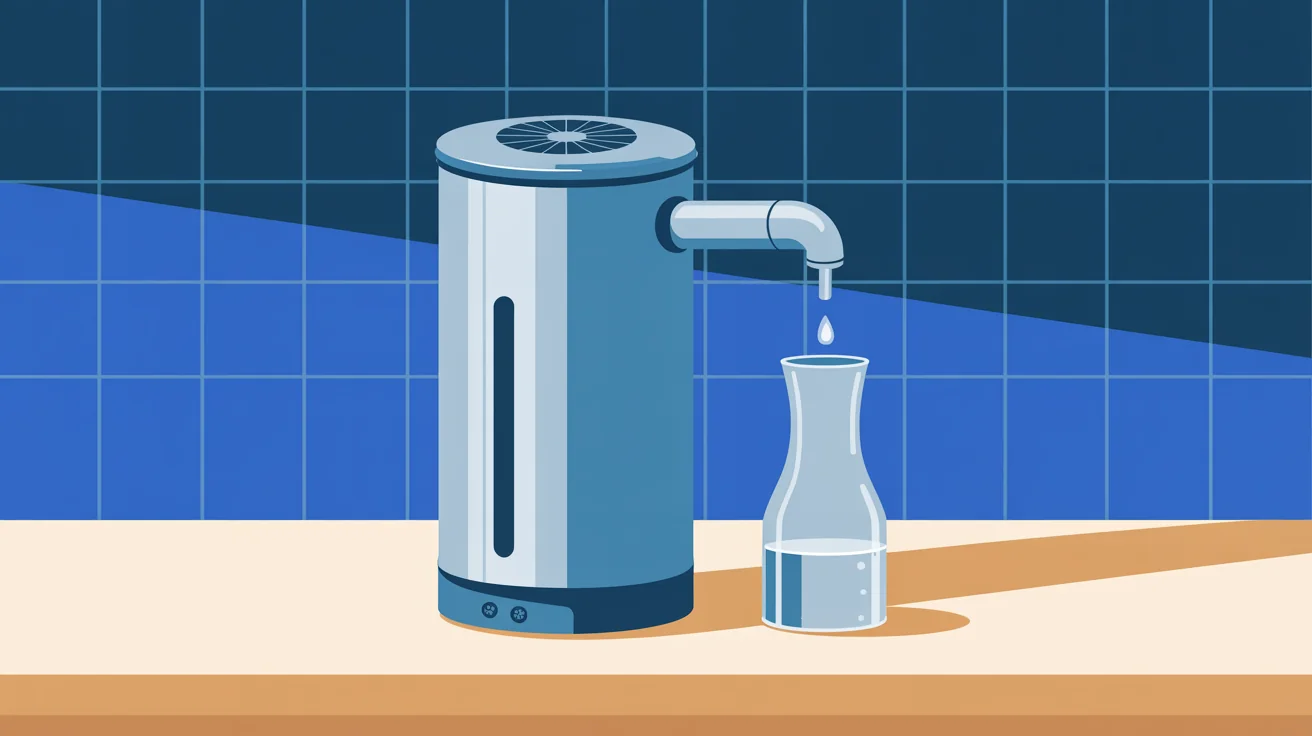
A home distiller heats water and collects condensed vapor. Many dissolved minerals and other nonvolatile substances remain in the boiling chamber. Exact performance depends on the equipment, design, operation, incoming water, cleaning, and any post-treatment. A product should not be said to remove a particular contaminant unless its current documentation supports that claim under the relevant conditions.
Distillation also changes practical characteristics of the water. Output can be slow, the process uses energy, the boiling chamber needs cleaning, and stored water needs sanitary handling. Distilled water contains very little of the calcium and magnesium found in mineralized water, but most people obtain essential nutrients primarily from food. None of those differences demonstrates a special effect on body fat.
JB Water & Air began with John Bevell’s interest in water distillation in 1981. That company history supports experience discussing treatment options; it is not evidence that distilled water treats obesity, heart disease, or another medical condition. The Pure Water guide compares distillation with softening, filtration, and reverse osmosis by household goal.
What research can and cannot say about water and weight
Drinking water instead of a sugar-sweetened beverage can reduce calorie intake if the calories are not replaced elsewhere. Some studies have examined water before meals, increased water intake, or hydration as part of structured weight-management programs. Results vary by study design and population, and water alone is not a reliably quantified weight-loss intervention.
A recent systematic review in a National Institutes of Health research archive found that evidence linking increased water intake with specific health outcomes, including weight loss, remains limited and mixed. That is very different from a guarantee such as “drink this amount and lose five pounds.” A change on the scale after rapidly changing fluid intake can also reflect water balance rather than a change in body fat.
Evidence about drinking water generally should not be converted into a claim about distilled water specifically. If a study used ordinary drinking water, it cannot establish that distillation was the active factor.
There is no universal “body weight in ounces” rule
Fluid needs vary with body size, food, climate, activity, pregnancy or breastfeeding, illness, medication use, and kidney or heart function. Water also comes from foods and other beverages. A rigid formula can be too little for one person and unsafe for another.
The American Heart Association’s hydration guidance emphasizes that needs differ and that people with certain medical conditions may need individualized advice. Someone who has been given a fluid or sodium restriction should follow their clinician’s plan rather than a social-media challenge or generic calculator.
Too much water in too little time can dilute blood sodium, a dangerous condition called hyponatremia. Symptoms can include nausea, headache, confusion, weakness, or seizures, but symptoms are not a safe way to manage intake. Seek urgent medical help for severe symptoms. Athletes, people doing prolonged work in heat, and people taking certain medications may need advice that accounts for both fluid and electrolytes.
A safer way to use water in a weight-management plan
Water can still play a practical supporting role:
- Replace one routinely sweetened drink with plain water when that fits the nutrition plan.
- Keep water accessible during normal daily activity.
- Drink in response to an individualized plan rather than forcing large volumes at once.
- Account for heat and exertion without assuming more is always better.
- Pair hydration with sustainable eating, movement, sleep, and clinical care when indicated.
- Track habits and longer-term trends rather than interpreting every short-term scale change as fat loss.
The American Heart Association’s weight-management overview treats weight as a complex health issue, not a willpower test or single-beverage problem. A physician or registered dietitian can help set a plan for someone with a chronic condition, a history of disordered eating, pregnancy, medication-related weight change, or a large or rapid weight-loss goal.
Choose drinking water for the actual concern
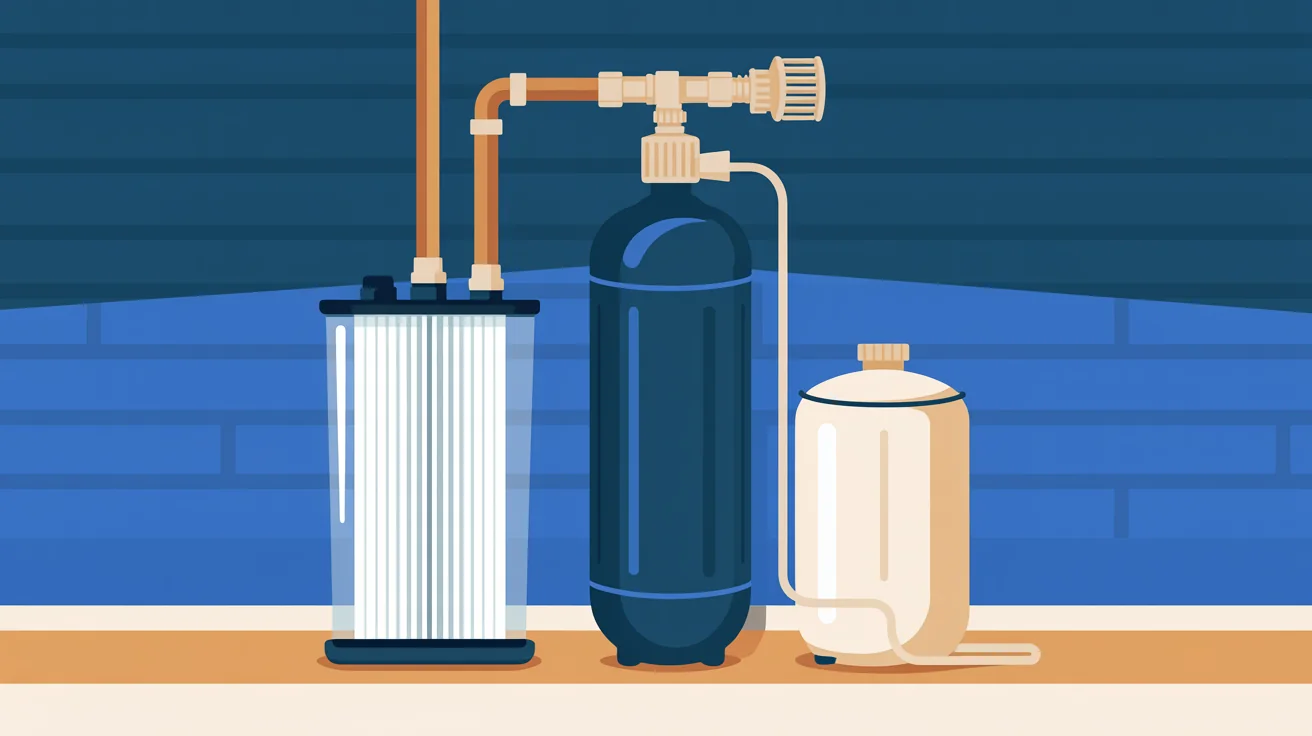
If the concern is taste, odor, hardness, or a named substance in the supply, identify that goal separately from weight management. A softener primarily reduces hardness minerals; it is not a drinking-water safety device. Carbon filtration, reverse osmosis, and distillation have different capabilities and maintenance requirements. The right method depends on the incoming water and the desired result.
A water evaluation should define what is being measured. A hardness demonstration does not establish that water is safe, and a sales screening is not a medical assessment. If there is a suspected contaminant, use the water provider, public-health guidance, and an appropriately qualified laboratory to decide what testing is needed. Then check the exact treatment product’s documented reduction claims.
JB Water & Air’s water-treatment overview explains the main system categories without claiming that one is universally healthiest. It is reasonable to prefer the taste or convenience of a particular method. It is not reasonable for a contractor to promise a medical or weight-loss outcome from it.
Questions to ask before buying a distiller
Compare:
- What substances is the exact model documented to reduce?
- How much water does it produce in a cycle and how long does that take?
- What energy, cleaning, filter, and storage requirements apply?
- How will the collection container be kept clean?
- Is the desired goal taste, a verified water-quality concern, emergency preparation, or simple preference?
- Would a point-of-use filter or reverse-osmosis system address the same goal differently?
For system-selection and installation questions, contact JB Water & Air at (480) 969-3193. For personalized weight, fluid, electrolyte, or medical advice, talk with a qualified clinician or registered dietitian.
Bottom line
Plain water can support hydration and can replace higher-calorie beverages. Distilled water may be a valid drinking-water preference or treatment choice, but it has no established special fat-loss advantage. Avoid guaranteed-pound claims and universal fluid formulas. Choose treatment based on the water concern, and build any weight-management plan around individualized, evidence-based medical and nutrition guidance.