Water Heaters5 min read
What Shortens a Water Heater’s Life? Seven Risk Factors
Learn how corrosion, scale, pressure, heat, heavy demand, poor installation, and missed maintenance can contribute to early water-heater failure.
By JB Water & Air · Published Mar 31, 2026 · Reviewed Sep 2, 2026
- 4.9 · 580 Google reviews
- CR-77 licensedROC #260511 · CR-77
- Open 24/7
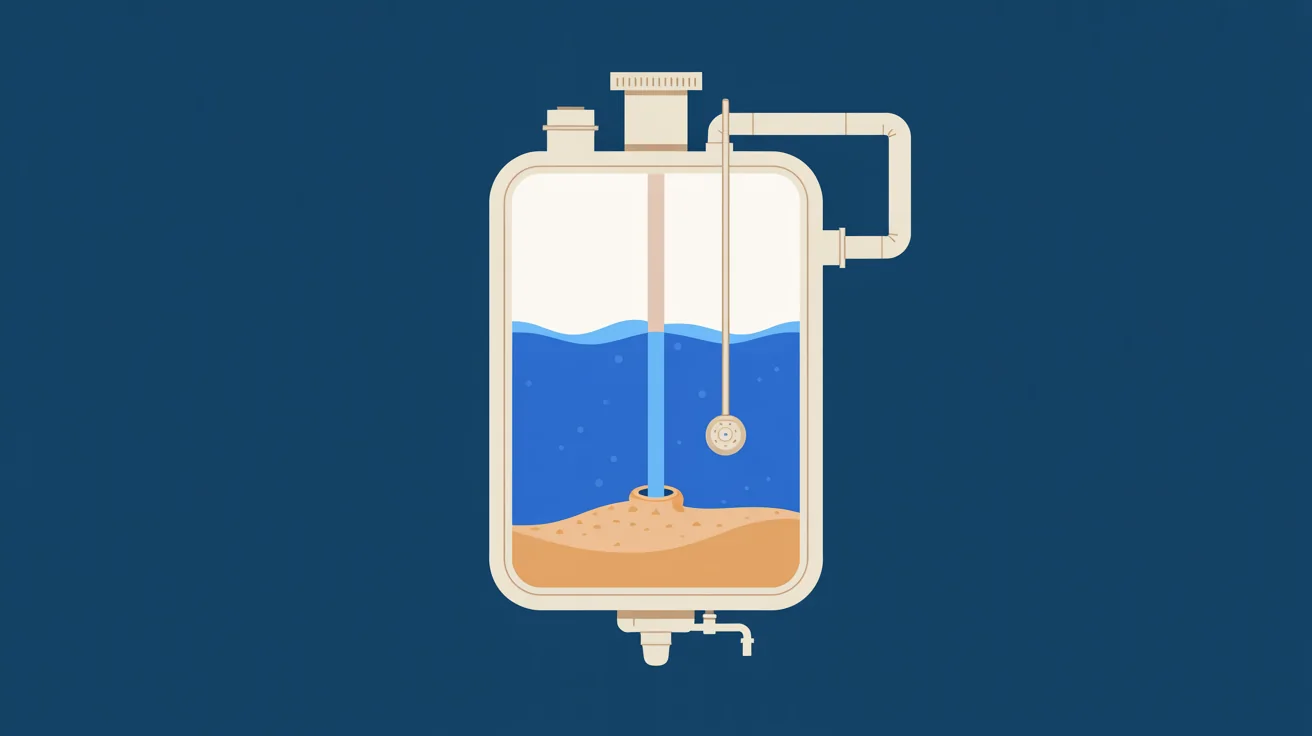
No one can look at a water heater’s age and predict its exact remaining life. Two units installed in the same year may age differently because of water chemistry, demand, temperature, pressure, installation, maintenance, environment, and manufacturing variation.
What homeowners can do is understand the conditions that contribute to early wear. Addressing them may reduce avoidable stress, but it does not guarantee a particular lifespan or restore a tank that has already failed.
For an equipment-specific assessment, JB Water & Air’s water-heater service page explains the local service category.
1. Corrosion inside a storage tank
A typical storage heater uses a lined steel tank and a corrosion-control system, often a sacrificial anode rod. Damage to the lining, depletion of the anode, water chemistry, temperature, and time can allow corrosion to advance.
Anode condition cannot be predicted from a universal calendar. The exact rod design and inspection method depend on the model, and some installations lack the clearance needed for straightforward removal. Manufacturer instructions should guide service.
Replacing an anode at an appropriate time may support tank protection. It cannot repair an already leaking pressure vessel or promise to reset the heater’s age.
2. Sediment and scale on heated surfaces
Minerals and particles can settle in a tank or form scale on heating elements and tankless heat exchangers. Buildup can contribute to noise, restricted flow, reduced heat transfer, difficult draining, overheated components, and service codes.
Mesa homeowners may see visible scale at fixtures, but that observation does not measure the exact condition inside the heater. Source water, treatment, temperature, household use, and equipment design affect accumulation.
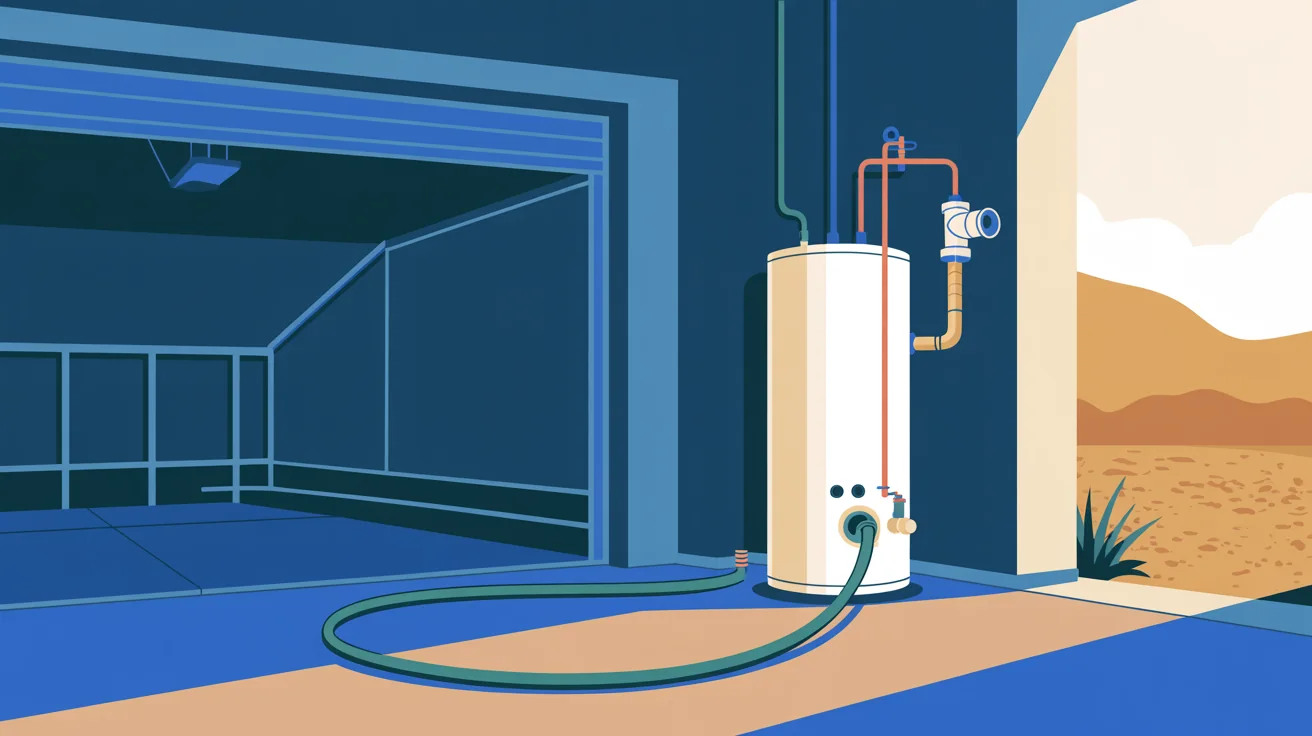
Flushing or descaling must follow the model’s procedure. A neglected drain valve can clog or leak when disturbed, and hot water creates burn risk. When condition or controls are uncertain, use a qualified provider instead of a generic online sequence.
3. Excess pressure and uncontrolled thermal expansion
High supply pressure stresses valves, connectors, fixtures, and the water heater. Water also expands as it heats. In some systems, that expansion can increase pressure unless a suitable control strategy is present and functioning.
Warning patterns can include leaks at multiple fixtures, pressure swings, repeated relief discharge, or failed expansion components. Those signs need diagnosis; they are not instructions to adjust a regulator or plug a relief line.
The correct pressure limits and components depend on the installation and applicable requirements. JB Water & Air’s broader plumbing-services page provides context for evaluating the connected system.
4. Excessive temperature or control problems
Higher storage temperatures can increase energy use, scald risk, scale formation, and stress on components. A thermostat, sensor, mixing valve, heating element, burner, or control issue can also cause temperature that does not match the setting.
Do not keep turning the control higher to compensate for poor capacity or temperature swings. Determine whether the problem is demand, a failed component, plumbing crossover, recirculation, scale, or sizing. Concealed gas and electrical controls belong with qualified service.
5. Heavy demand or unsuitable sizing
A heater that repeatedly operates near its limit experiences a different duty cycle than one matched to the household’s demand. Added occupants, a large tub, simultaneous showers, recirculation, or new appliances can change the original assumptions.
“Bigger” is not the automatic solution. Storage volume, recovery, tankless flow and temperature rise, available fuel or electrical capacity, fixture patterns, and space all matter. A correct diagnosis separates equipment wear from a system that is simply being asked to do a job it was not sized for.
6. Installation defects and poor site conditions
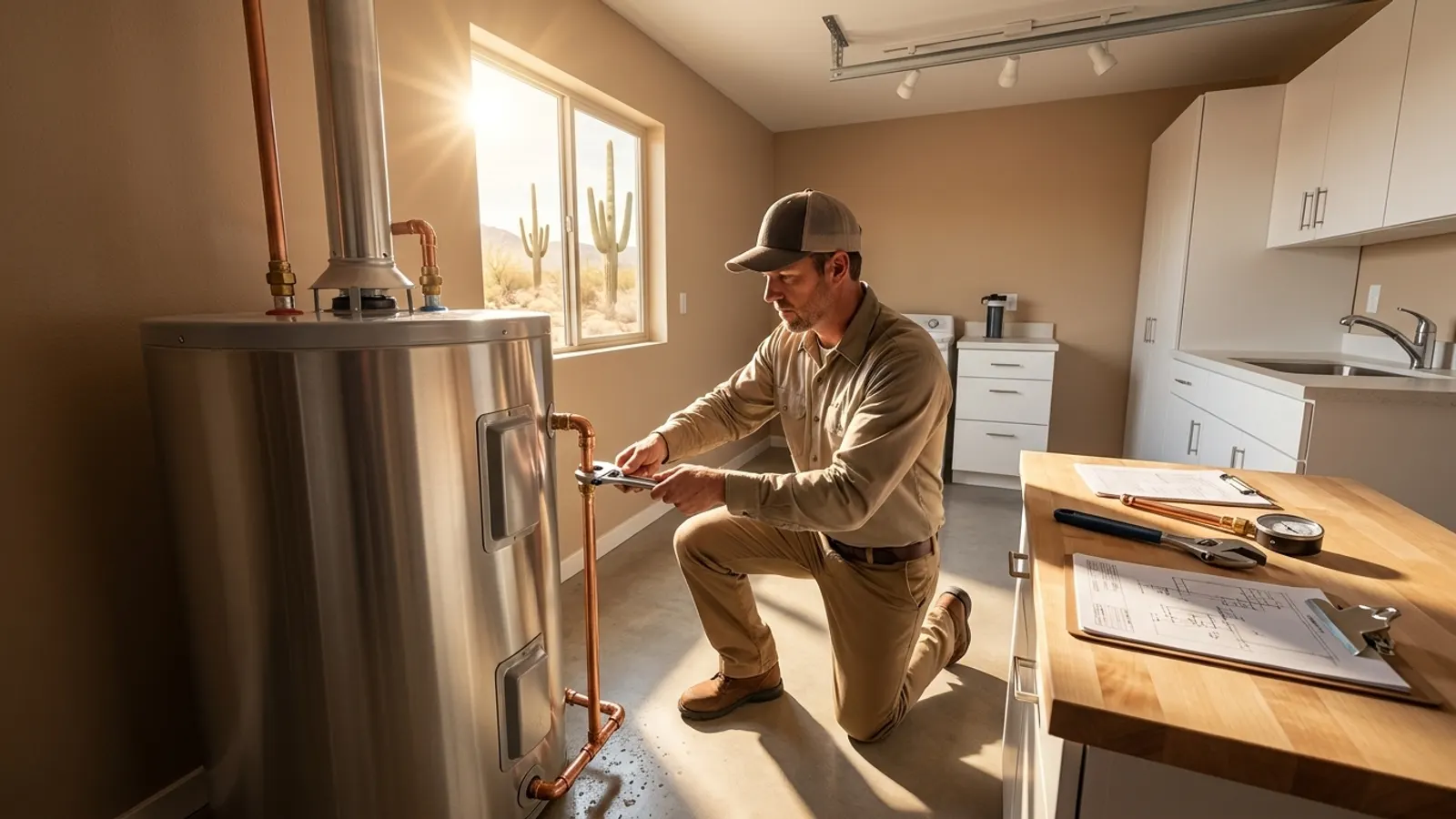
Water heaters depend on the systems around them. Unsuitable gas supply, wiring, venting, combustion air, drainage, support, expansion control, valves, recirculation, or service clearances can cause shutdowns, leaks, unsafe operation, or accelerated wear.
The surrounding environment matters too. Water exposure, impact, dust, blocked vents, corrosive chemicals stored nearby, outdoor weather, or extreme temperatures may affect particular equipment. The manufacturer’s location and clearance instructions should be part of an installation review.
Replacing only the appliance without addressing a connected defect can repeat the failure.
7. Missed or mismatched maintenance
Maintenance needs vary by model and water condition. A storage tank, tankless heat exchanger, powered anode, filter, condensate system, recirculation pump, and vent system do not share one universal checklist.
Use the manual and keep records. Note inspection dates, flushed or descaled conditions, replaced parts, error codes, and changes in performance. Maintenance marketed as “annual” or “lifetime” should still be compared with the exact manufacturer requirements.
Water treatment can be relevant when measured hardness or another defined condition affects equipment. A softener and filter perform different functions, so neither should be sold automatically. Review water-treatment options and ask how a proposed system addresses the observed problem.
Signs that wear may already be advanced
Arrange an assessment for:
- active water at the tank shell or base;
- progressive corrosion or mineral trails;
- repeated relief-valve discharge;
- recurring shutdowns or error codes;
- damaged wiring, scorching, soot, or venting concerns;
- unexplained loss of capacity or recovery; or
- repeated repairs without a clear root cause.
If you smell gas or suspect carbon monoxide, leave the area and contact the gas utility or emergency services from a safe location. Keep away from water around energized equipment. Do not defeat safety controls to keep the heater operating.
Ask for evidence, not a lifespan promise
When a technician recommends repair, maintenance, or replacement, ask:
- What condition was found, and how was it verified?
- Is the tank itself sound?
- What caused the failed component?
- What remains old or uncorrected after repair?
- Does the installation match current manufacturer requirements?
- What maintenance applies to this exact model?
- Which warranty or workmanship terms apply to the proposed work?
JB Water & Air is a family-owned Mesa company founded in 1981. To discuss a water-heater condition, contact JB Water & Air with the model label, symptoms, maintenance history, and photos. Confirm current availability, scope, and pricing directly. Responsible service may reduce avoidable wear, but no contractor can truthfully guarantee the heater’s remaining years.