Water Quality6 min read
Hard Water vs. Soft Water: Which Is Better to Drink?
Hard and softened water differ in minerals, sodium, taste, and plumbing effects. Learn why neither is universally healthier and how to choose safely.
By JB Water & Air · Published Jan 19, 2026 · Reviewed Sep 2, 2026
- 4.9 · 580 Google reviews
- CR-77 & CR-39 licensed
- Open 24/7
Neither hard water nor softened water is universally healthier for every person. Hardness mainly reflects calcium and magnesium in the water. A conventional ion-exchange softener reduces those minerals and usually exchanges them for sodium or potassium ions. The health relevance depends on the actual water, treatment setup, amount consumed, total diet, and any medical restrictions.
The more useful approach is to separate three questions:
- Is the source water safe for its intended use?
- Is hardness causing scale or household-performance problems?
- Does anyone drinking the water have an individualized sodium, potassium, kidney, heart, or infant-feeding concern?
A single “hard versus soft” verdict cannot answer all three.
Hardness is not the same as drinking-water safety
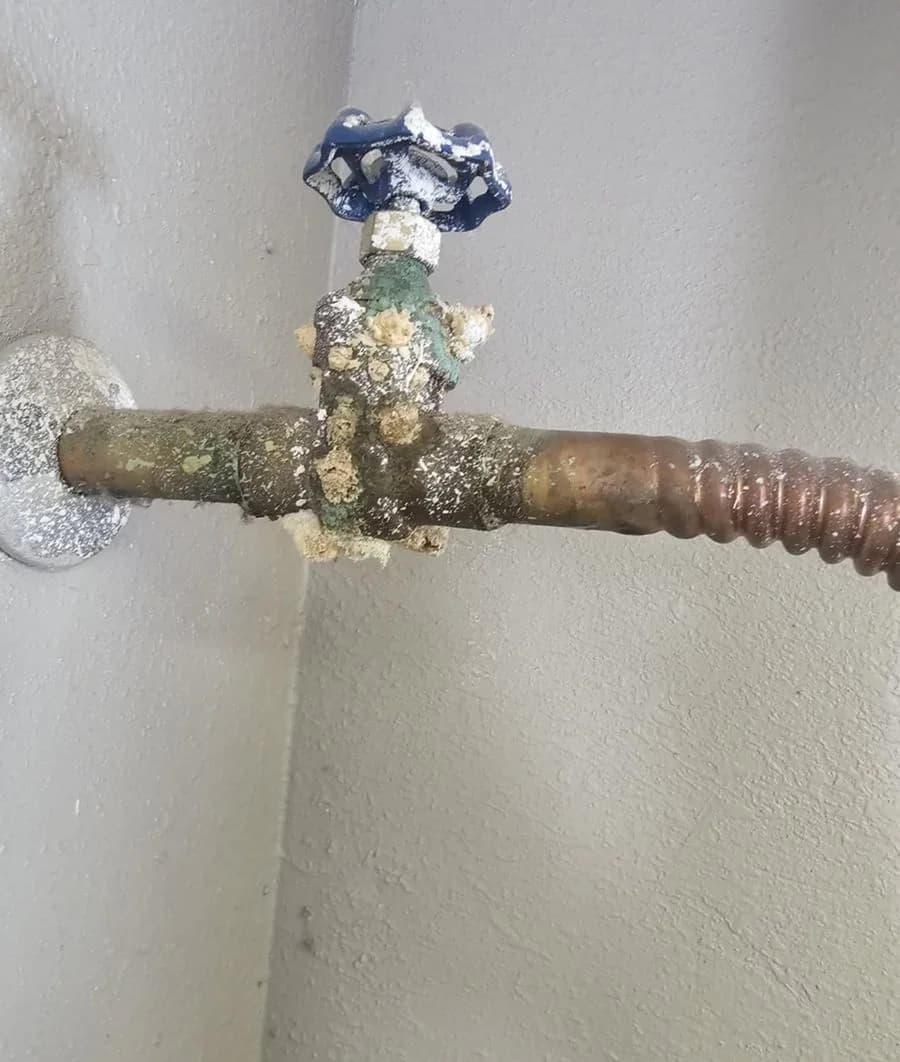
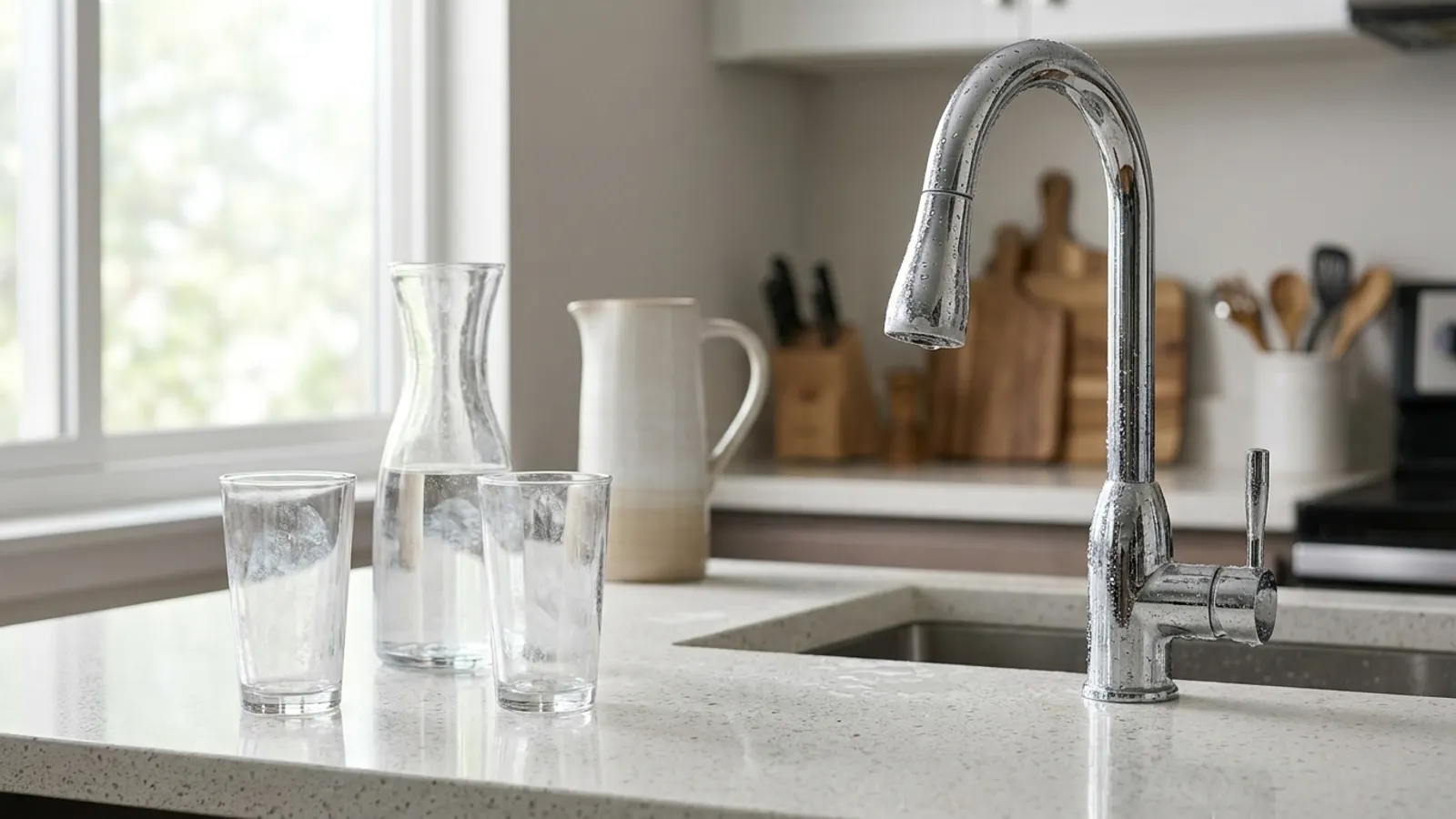
Hard water contains more dissolved calcium and magnesium. Those minerals can leave spots as droplets dry, interfere with soap performance, and form scale on fixtures and wetted equipment. They do not, by themselves, describe bacteria, lead, arsenic, PFAS, or other substances someone may be concerned about.
Municipal customers should start with the current Consumer Confidence Report from the water provider named on the bill and check for active advisories. Private-well owners need a testing plan appropriate to the well and local guidance. Clear appearance, pleasant taste, and a hardness reading are not substitutes for contaminant-specific information.
The water and air evaluation guide explains why a treatment screening must be distinguished from certified laboratory analysis. Ask what is measured, how the sample is collected, who performs the analysis, and what the result can, and cannot, establish.
Is the mineral content in hard water a health benefit?
Calcium and magnesium are essential nutrients, and drinking water can contribute some amount. The contribution varies with the water’s concentration and how much a person drinks. It should not be converted into a claim that hard water prevents heart disease, strengthens bones by a predictable amount, or replaces a balanced diet.
The World Health Organization’s technical background on hardness in drinking water treats the subject with more nuance than “minerals are always good.” Water composition, treatment, corrosion control, taste, and total dietary intake all matter. A health professional, not a plumbing contractor, should evaluate an individual deficiency or dietary need.
What a conventional softener changes
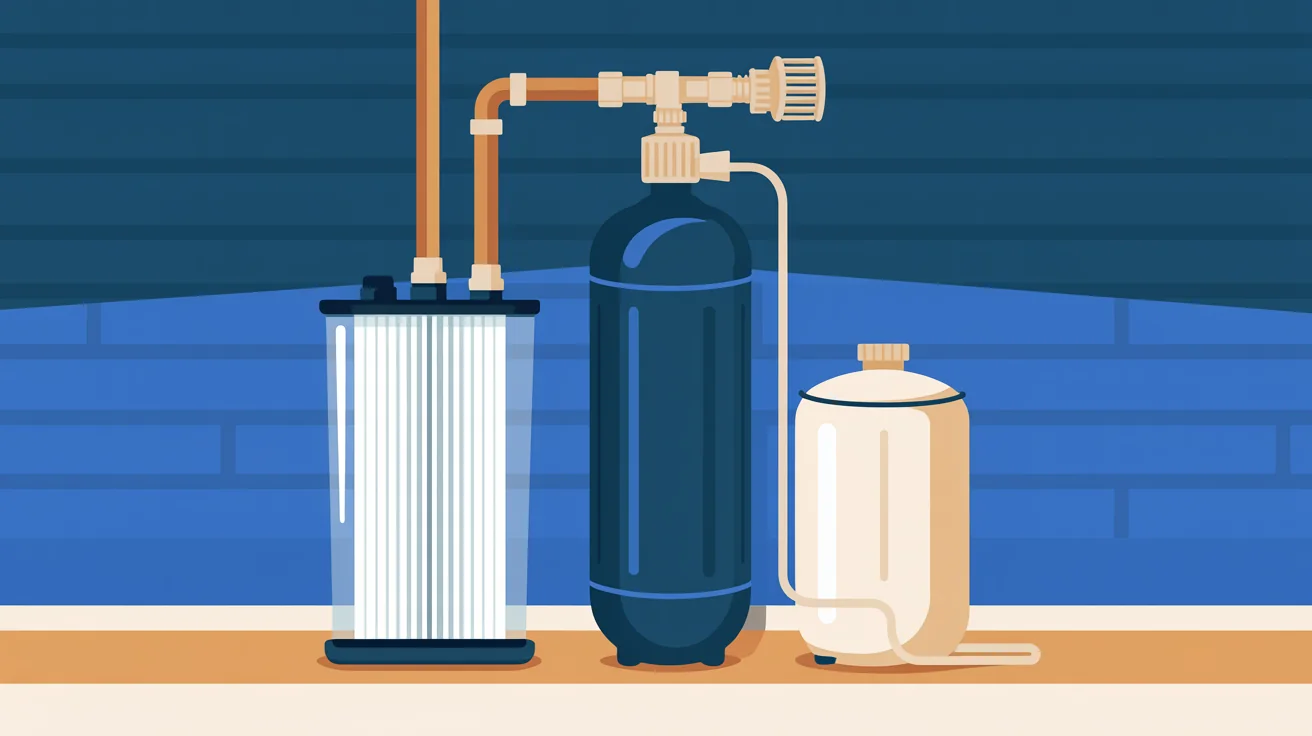
Most residential softeners use ion exchange. Water passes through resin that captures calcium and magnesium. The system regenerates the resin with a brine solution, and the treated water typically contains more sodium, or potassium when an appropriate potassium regenerant and system are used, than it did before softening.
How much changes depends on incoming hardness, system design, settings, and operation. It is not accurate to say every softened tap contains a fixed or medically insignificant amount. It is also not accurate to say softened water is automatically unsafe.
People following a clinician-directed sodium or potassium restriction should ask the clinician what limit applies to total intake. They can then request useful system data from the treatment provider. Switching from sodium chloride to potassium chloride is not a universal medical solution; potassium can be important for people with kidney conditions or certain medications.
Softening and filtration solve different problems
A softener’s primary job is hardness reduction. It is not a universal filter or disinfectant. If the goal is a named contaminant, taste, odor, or drinking-water preference, another treatment method may be needed and must be selected for that purpose.
- Activated carbon may address certain tastes, odors, or substances when the exact media and product are documented for them.
- Reverse osmosis uses a membrane and can reduce many dissolved substances, but claims vary by model and water conditions.
- Distillation uses heating and condensation and differs in output, energy, storage, and maintenance.
- Sediment filtration catches certain particles but does not establish microbiological or chemical safety.
JB Water & Air’s water-treatment service page and Pure Water comparison explain these categories. Product selection should follow a defined goal and the exact model’s performance documentation, not a promise that one machine makes water “perfect.”
Why households soften water
The strongest case for a softener is normally household performance rather than a medical outcome. Reducing hardness can reduce formation of hardness scale, improve soap behavior, and make mineral deposits easier to manage. Actual results depend on settings, maintenance, water use, and what else is dissolved in the supply.
Softened water does not remove scale already bonded to glass or inside equipment, and it does not guarantee spot-free drying. A system that is bypassed, out of regenerant, incorrectly programmed, or not drawing brine may stop meeting its hardness target. Periodic verification should use an appropriate hardness method and the manufacturer’s maintenance instructions.
Before buying equipment, ask:
- What is the measured incoming hardness, in what units, and by what method?
- What treated-water target is proposed?
- What peak flow and household demand were used for sizing?
- How often is regeneration expected under those assumptions?
- What water, salt, cleaning, and service requirements apply?
- Does the plumbing plan leave a separate untreated tap, and why?
- What warranty covers the equipment, tank, valve, and installation?
No universal answer is right for every Mesa property. JB Water & Air’s Mesa service guide describes its licensed plumbing and water-treatment categories, but exact equipment, brand coverage, test scope, and availability must be confirmed for the job.
Options when drinking preference differs from whole-home needs
Some households soften most hot and cold plumbing while leaving a designated cold drinking tap untreated. Others pair whole-home softening with point-of-use reverse osmosis or another drinking-water system. Either configuration must be designed around safe source water, plumbing layout, pressure, maintenance, and the desired treatment result.
Leaving one tap unsoftened preserves the source-water mineral and sodium profile, but it does not improve source-water safety. Adding reverse osmosis changes a different set of water characteristics and creates filter, membrane, sanitation, storage, and wastewater responsibilities. Compare measured needs and operating details rather than treating either layout as automatically healthiest.
For infant formula, immune-compromised household members, medical diets, or a suspected contaminant, seek guidance from the relevant clinician or public-health authority. A salesperson should not make that decision.
How to decide
Use this sequence:
- Confirm the water source and review its current report or well-testing plan.
- Identify whether the main concern is safety, hardness scale, taste, odor, or a named substance.
- Measure what is relevant using an appropriate method.
- Discuss personal sodium, potassium, kidney, heart, or dietary concerns with a qualified clinician.
- Compare treatment products by documented performance, installation requirements, maintenance, and total operating needs.
- Verify the result after installation and maintain the system as directed.
JB Water & Air began with John Bevell’s water-distillation work in 1981 and holds Arizona plumbing license ROC #260511, classification CR-77. Those facts support a treatment and installation conversation, not a personal health recommendation. To discuss the property and ask what evaluation is currently available, contact JB Water & Air or call (480) 969-3193. Do not assume a free test, a specific panel, or an instant result.
Bottom line
Hard water contributes calcium and magnesium and can cause scale. Conventional softened water reduces those minerals and generally changes sodium or potassium content. Neither description establishes overall safety or makes one water universally healthier. Base the decision on current source-water information, a defined household goal, measured conditions, product documentation, and individualized medical advice when needed.