Water Quality5 min read
Reverse Osmosis vs. Distillation: Mesa Comparison
Compare reverse osmosis and distillation by treatment method, performance, maintenance, water use, energy use, capacity and household fit.
By JB Water & Air · Published Nov 3, 2025 · Reviewed Sep 2, 2026
- 4.9 · 580 Google reviews
- CR-77 & CR-39 licensed
- Open 24/7

Reverse osmosis and distillation treat water in different ways, so neither is automatically the better choice for every Mesa household. Compare the exact product’s certified reduction claims, the substances present in the source water, daily demand, maintenance, waste stream, energy use, and installation constraints. A generic percentage or the word “pure” is not enough evidence for a decision.
The Short Comparison
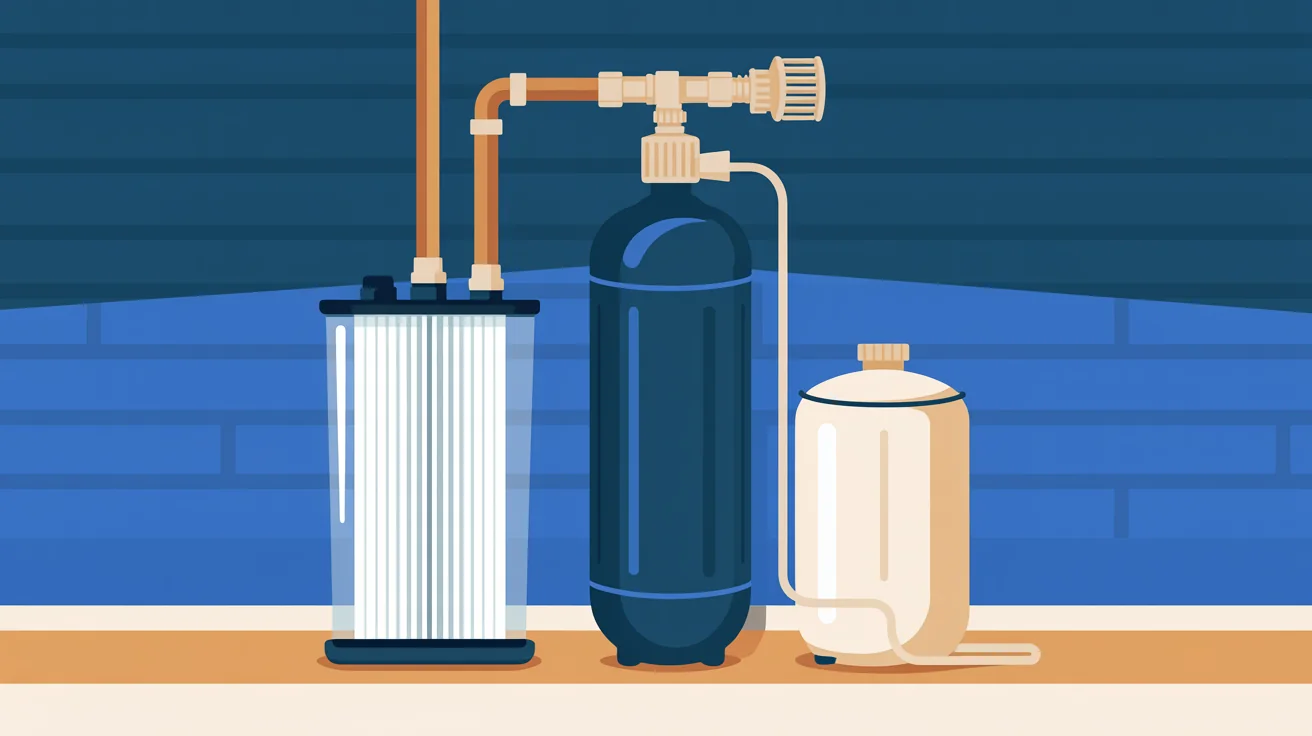
Reverse osmosis, usually called RO, pushes water through a membrane under pressure. A residential system often includes sediment and carbon stages before or after the membrane. Treated water is commonly stored in a small tank for use at a dedicated faucet, although product designs vary.
Distillation heats water to create vapor, moves that vapor away from the boiling chamber, and condenses it into liquid. The minerals and many other substances that do not vaporize with the water remain in the boiling chamber. Some distillers also use carbon treatment for compounds that may carry with the vapor or affect taste.
Those mechanisms create practical differences:
| Decision factor | Reverse osmosis | Distillation |
|---|---|---|
| Main input | Water pressure | Electrical energy for heating |
| Output pattern | Stored or on-demand flow, depending on design | Usually produced in batches or at a rated hourly capacity |
| Residual stream | Concentrate water sent to a drain | Concentrated residue left in a boiling chamber |
| Routine care | Filters, membrane, sanitizing, tank and connection checks | Cleaning mineral residue, filters if equipped, and inspection of heating/condensing parts |
| Performance evidence | Product-specific reduction claims and test/certification documents | Product-specific reduction claims and test/certification documents |
The table describes typical system behavior, not a promise about a specific model.
Start With the Water, Not the Equipment
Water hardness, disinfectant taste, total dissolved solids, and a specific contaminant are different concerns. A treatment device should be selected for a defined goal.
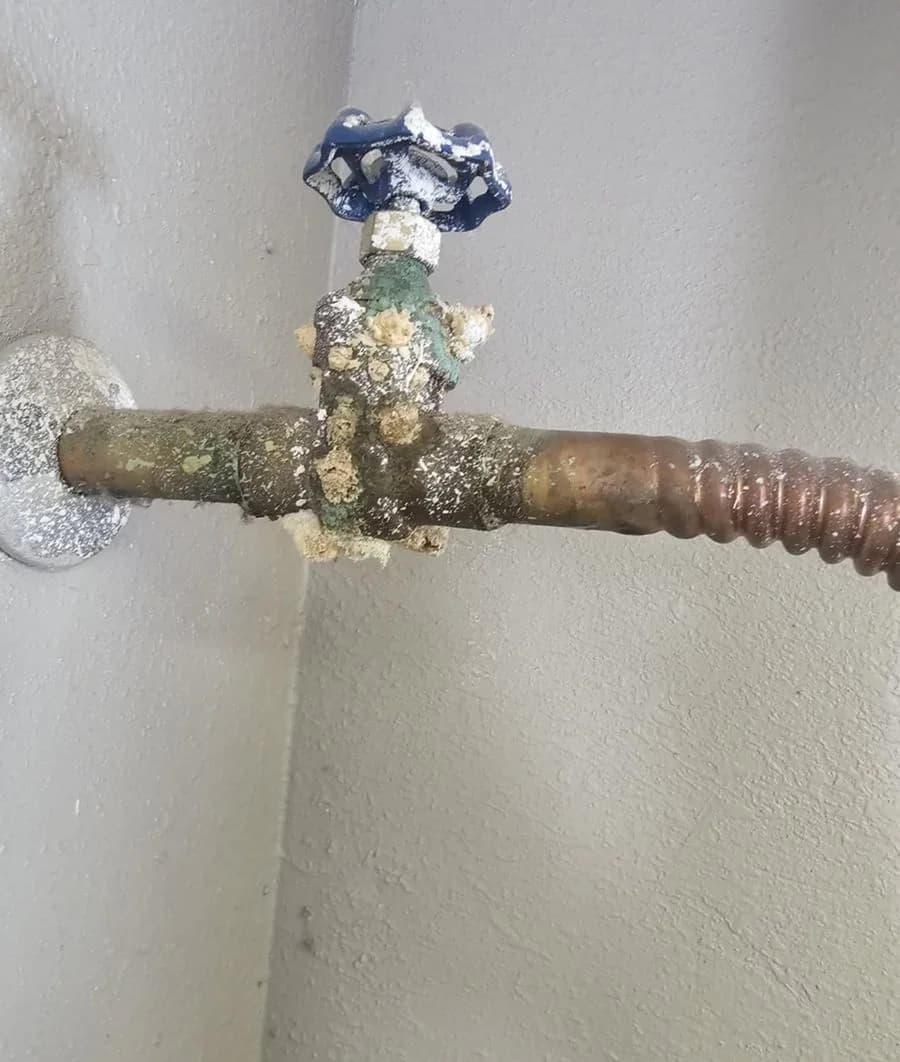
Mesa-area customers may notice mineral scale, but hardness is not itself a complete safety assessment. Our guide to Mesa hard water and what it does not tell you explains why scale observations and health claims should not be mixed together.
For municipal water, review the current water-quality report from the utility serving the exact address. For a private well or a building with a specific concern, appropriate laboratory testing may be needed. Sampling method, timing, and laboratory capability affect whether results are decision-useful. A sales demonstration that changes color is not a substitute for a report that identifies the analyte, result, unit, and method.
How to Evaluate an RO System
Do not assume all membranes or systems have the same performance. Ask for the model number and documentation that names the substance and reduction claim. When certification is important, verify the product and claim with the relevant certification body rather than relying only on marketing language.
Practical RO questions include:
- What inlet pressure and temperature range does the system require?
- What is its rated production under stated test conditions?
- How much concentrate water does it produce under conditions similar to the home?
- Which filters and membrane are replaceable, and on what evidence-based schedule?
- How is the storage tank sanitized and checked?
- Where will the concentrate connection, faucet, and tank fit?
- What happens when inlet pressure or water temperature changes?
Published ratios based on one test condition may not match a home’s real operation. System design, pressure, temperature, membrane condition, and maintenance all matter.
How to Evaluate a Distiller
Capacity is central because distillation uses heat and takes time. Compare the unit’s rated output with the household’s intended drinking and cooking demand. Check electrical requirements, ventilation or clearance instructions, storage arrangement, cleaning access, and noise.
Residue must be removed from the boiling chamber. The cleaning frequency depends on the equipment, source water, and use. Ask for the manufacturer’s procedure rather than improvising with chemicals that may damage the unit or leave residue.
Distillation should not be described as removing every possible substance under every condition. Compounds with relevant volatility can behave differently from nonvolatile minerals, and the complete system design matters. Look for product-specific evidence, including the role of any carbon stage, instead of relying on a universal “99.9%” statement.
JB Water & Air’s history states that the business began with water distillation in 1981. That experience explains why distillation remains part of its water-treatment story, but history alone does not decide which system fits a particular address.
Neither Process Is the Same as Softening
A point-of-use RO system or distiller may treat water used at one drinking-water location. A water softener addresses hardness minerals for a broader plumbing system through a different process. Carbon filtration and other treatment categories also solve different problems.
If the goal is reducing scale throughout the home, protecting a particular fixture, changing drinking-water taste, or addressing a measured substance, say that clearly. The water-treatment services overview separates these use cases, while the Pure Water page describes JB Water & Air’s broader treatment category.
Compare the Ongoing Resource Cost
Purchase price is only one part of the decision. RO uses source water and creates a concentrate stream. Distillation uses electricity and leaves residue that must be cleaned out. Both may use replaceable filters and require sanitation or service.
Ask for the assumptions behind any efficiency claim: household demand, rated output, local input conditions, replacement intervals, and expected cleaning. The guide to resource-conscious water-treatment choices offers a neutral framework for comparing water, energy, consumables, and service life without treating “green” as a measurable claim by itself.
What to Bring to a Water-Treatment Conversation
Have the service address, water source, current report or test results, daily treated-water demand, available installation space, and the exact concern ready. Ask for the proposed model, scope, maintenance plan, and performance documentation in writing.
JB Water & Air offers both reverse-osmosis and distillation options, but the appropriate recommendation depends on the evidence and household priorities. Use the contact page to describe the goal and request current product information. No treatment choice on this page should be interpreted as medical advice or as a guarantee that a device will address an unmeasured concern.