Water Quality4 min read
Water Distillation Explained: Process, Limits, and Uses
Learn how water distillation separates water from many dissolved materials, where the process has limits, and how to compare treatment options.
By JB Water & Air · Published Nov 23, 2025 · Reviewed Sep 2, 2026
- 4.9 · 580 Google reviews
- CR-77 & CR-39 licensed
- Open 24/7
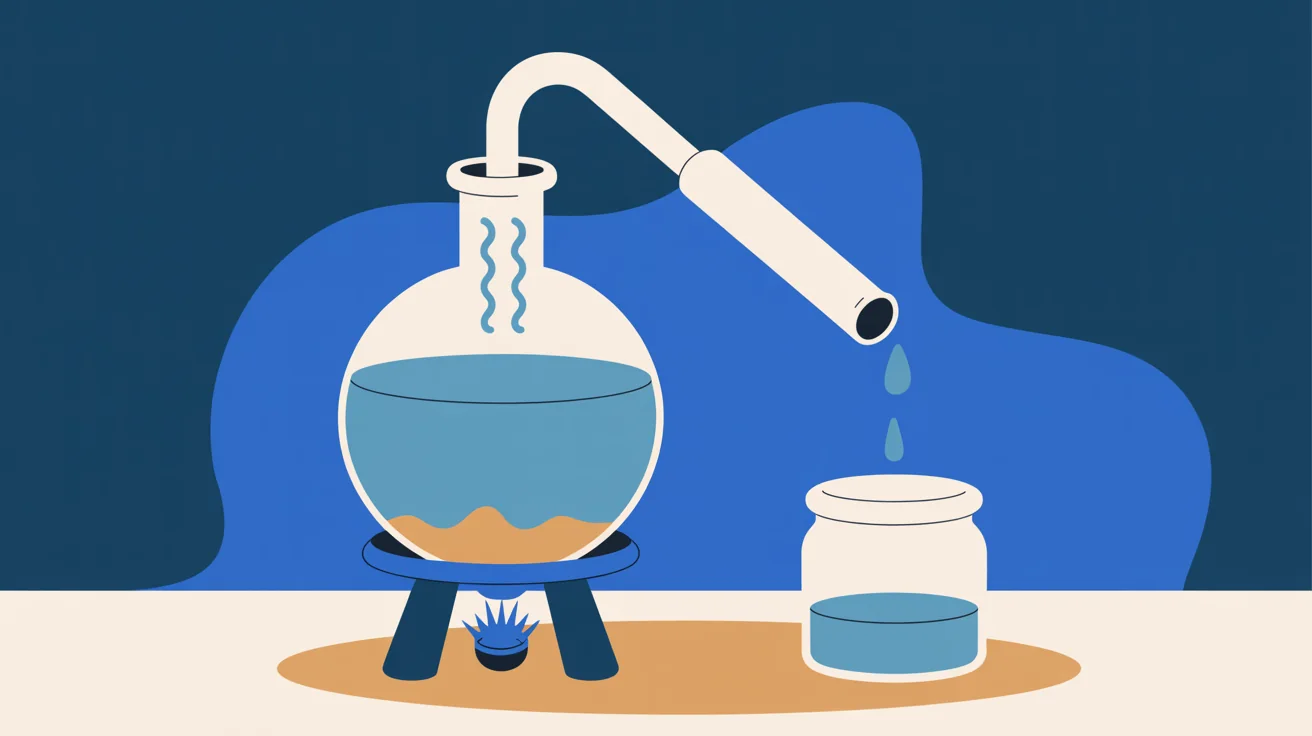
Distillation is a separation process built around a simple change of state: liquid water becomes vapor, and that vapor becomes liquid again. The science is straightforward. Choosing a drinking-water system is less so, because “distilled,” “filtered,” “softened,” and “safe” do not mean the same thing.
This guide explains what happens inside a distiller, what the process can and cannot be expected to do, and which practical questions matter when comparing it with other water-treatment options.
How water distillation works
A household distiller generally follows four stages:
- Heating: Water enters a boiling chamber and is heated until it produces vapor.
- Separation: Many substances that do not readily evaporate remain in the boiling chamber instead of traveling with the vapor.
- Condensation: The vapor moves across a cooler surface or coil and returns to liquid form.
- Collection: The condensed water enters a clean storage container for later use.
The process resembles the natural water cycle, but a countertop or installed appliance operates in a much smaller, controlled space. Its performance depends on the design, operating temperature, ventilation, cleaning, and condition of the collection path.
What stays behind, and what may not
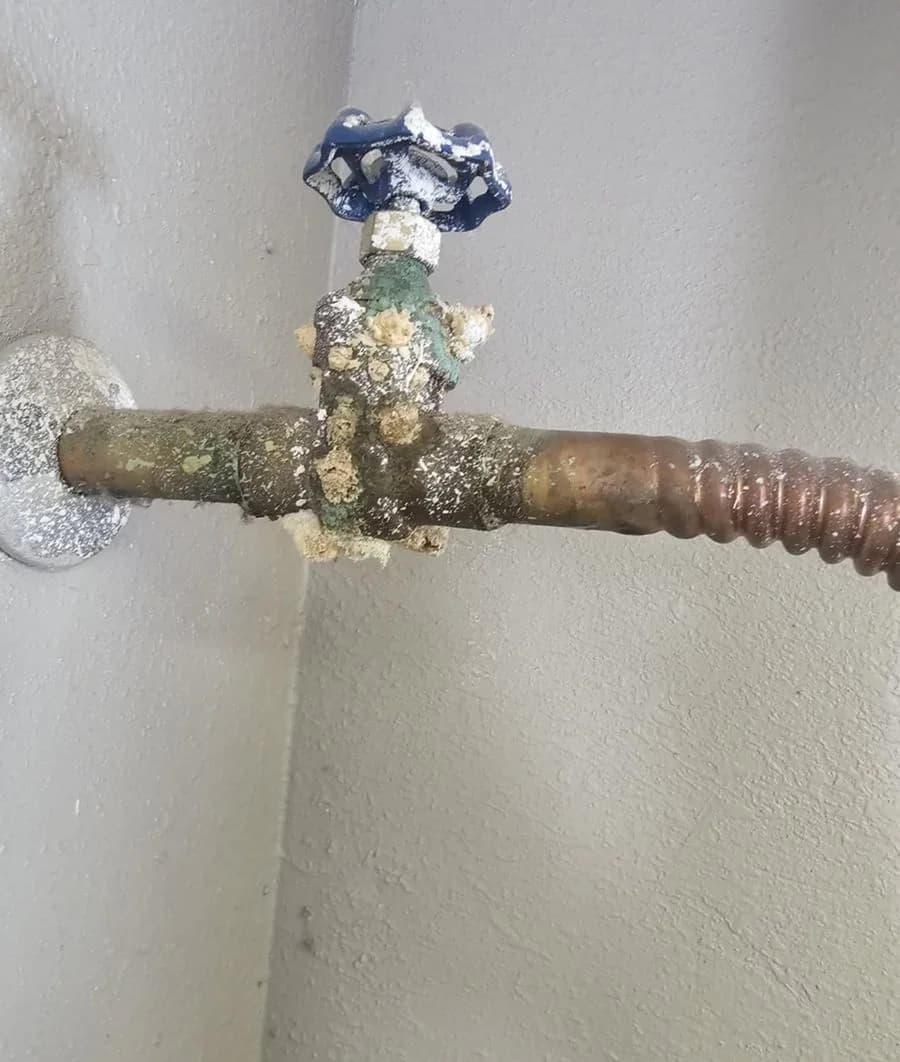
Distillation can separate water from many dissolved minerals and other materials with higher boiling points. That is why distilled water usually contains far less calcium and magnesium than the source water. Scale left in the boiling chamber is visible evidence that those minerals did not all reach the collection container.
However, “distilled” should not be translated into “removes every possible contaminant.” Some compounds can evaporate at or below water’s boiling point and may travel with the vapor. A properly designed unit may use vents, carbon post-treatment, or other controls to address particular compounds, but the exact reduction claims belong to the specific product documentation, not to distillation as a universal category.
The unit also does not protect water after collection. A dirty reservoir, aging seal, poorly cleaned spout, or open container can reintroduce material. Equipment condition and handling matter alongside the separation method.
Purity, safety, and taste are different questions
Water with fewer dissolved minerals may be described as purer in a chemistry sense, but that word alone does not establish that a specific sample is safe to drink. Safety depends on the source, possible contaminants, equipment performance, maintenance, storage, and any relevant health guidance.
Taste is personal. Removing minerals changes the flavor and mouthfeel, so some people prefer distilled water while others find it flat. A taste preference is not a medical outcome. Distilled water should not be marketed as a cure, detoxification method, weight-loss product, or guaranteed way to prevent disease.
People with medical conditions that affect fluid or mineral balance should follow individualized advice from a qualified clinician. A water-treatment contractor can discuss equipment and plumbing; that is different from giving medical guidance.
Distillation compared with other treatment methods
The right method starts with the problem you are trying to solve.
Distillation
Distillation treats a relatively limited volume at a time and uses heat. It can be useful when a household wants very low-mineral water for drinking or certain appliances. Owners should account for production speed, energy use, cleaning, storage, and the capacity available during peak demand.
Reverse osmosis
Reverse osmosis sends water through a membrane and commonly serves a dedicated drinking-water faucet. It has different feed-water, pressure, drain, filter, membrane, and maintenance requirements. Product-specific performance claims should be checked against the exact model and operating conditions.
Carbon filtration
Activated carbon is often selected for taste and odor concerns or for reduction claims listed by the manufacturer. It does not soften hard water. Cartridge capacity and replacement timing depend on the product and actual use.
Water softening
A conventional softener addresses hardness minerals through ion exchange. It is meant to reduce scale and improve how water behaves in plumbing, fixtures, and cleaning. It is not a substitute for a contaminant-specific drinking-water filter. The Pure Water overview explains how these treatment categories can play different roles in one home.
Maintenance is part of performance
Residue accumulates in a distiller’s boiling chamber. Follow the manufacturer’s cleaning procedure and interval rather than improvising with a chemical that may damage the unit or leave residue. Also inspect the lid, seals, condensing surfaces, outlet, and storage container as the manual directs.
If output falls, water develops an unusual odor, the unit leaks, or residue appears in the collection container, stop relying on assumptions and consult the product instructions or a qualified service provider. Do not open energized equipment or defeat temperature and pressure controls.
How to evaluate a system for your home
Before choosing distillation or another method, write down:
- whether the concern is hardness, sediment, taste, odor, or a named contaminant;
- whether treatment is needed only at one drinking tap or throughout the home;
- the volume of treated water needed each day;
- available space, power, drainage, and storage;
- ongoing cleaning and replacement requirements; and
- the specific, documented reduction claims for the exact equipment.
Appearance, taste, and a basic hardness strip cannot identify every potential contaminant. If a health or safety concern exists, ask the appropriate utility, public-health agency, or qualified laboratory what sampling and analysis are appropriate. JB Water & Air’s water and air test page can help you prepare questions, but the current test scope, price, analytes, and interpretation must be confirmed before relying on it.
JB Water & Air provides plumbing and water-treatment services from Mesa and has been family owned since 1981. To discuss equipment options for a specific home, contact JB Water & Air with the water concern, source, existing treatment, and model information. A useful recommendation should match the identified problem rather than promise a universal health result.