Water Heaters5 min read
Eight Signs a Water Heater Needs Professional Attention
Learn what no hot water, leaks, noise, discoloration, odors, and rising energy use can mean, and which water-heater signs need urgent action.
By JB Water & Air · Published Feb 12, 2026 · Reviewed Sep 2, 2026
- 4.9 · 580 Google reviews
- CR-77 licensedROC #260511 · CR-77
- Open 24/7
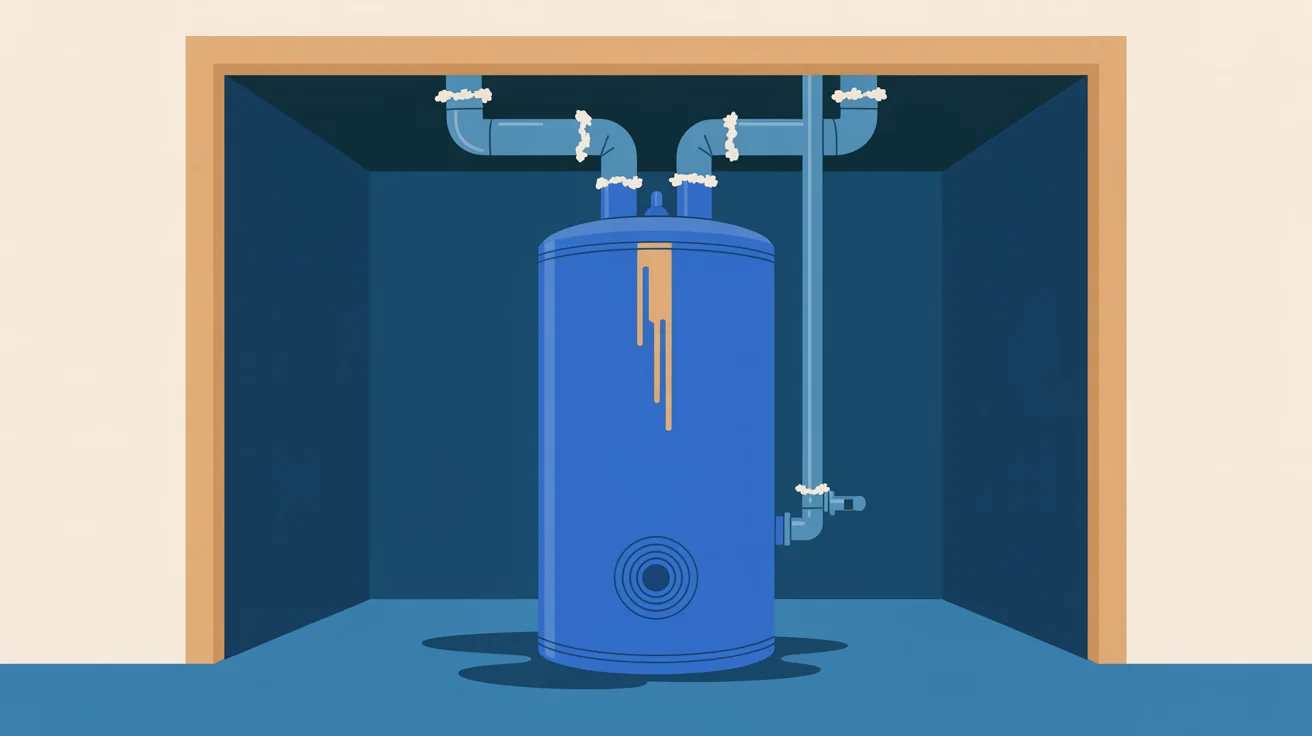
A water heater rarely announces “I am going out” with one conclusive symptom. No hot water might come from a utility interruption, failed heating component, control problem, or plumbing crossover. Water on the floor might be tank failure, or a nearby connection, drain, relief valve, or unrelated source.
The useful approach is to document the pattern and identify hazards first. These eight signs justify closer attention, but only an assessment can determine whether repair, maintenance, or replacement is appropriate.
For model-specific service in Mesa, see JB Water & Air’s water-heater service page.
1. Little or no hot water
First determine whether the problem affects every hot-water fixture. One shower running cold while other taps remain normal may point to that fixture’s valve or mixing components rather than the heater.
When the whole home is affected, possible causes include loss of power or fuel, a tripped safety control, failed electric element, burner or ignition trouble, thermostat or sensor failure, tankless flow conditions, or depleted stored hot water after unusual demand.
Do not repeatedly reset a breaker or bypass a safety control. A breaker that trips again, an error code that returns, or a gas unit that will not ignite needs qualified evaluation.
2. Hot water runs out sooner than it used to
A shorter supply can result from increased household demand, a failed lower heating element, thermostat trouble, sediment reducing usable tank volume, a broken dip tube, recirculation changes, mixing-valve problems, or a unit that was never sized for the current use.
Record how many fixtures are running and how long the heater takes to recover. That evidence is more useful than simply turning the temperature higher, which can increase scald risk without fixing the cause.
3. Temperature swings or water that is too hot
Unstable temperature can involve controls, heating components, flow rate, scale, plumbing crossover, or a failing mixing valve. Tankless units may behave differently when flow falls below their activation threshold or demand exceeds capacity.
Water that is unexpectedly hot is a safety concern, especially for children, older adults, and people with limited sensation or mobility. Do not make internal control adjustments unless the manufacturer’s instructions and your qualifications support it. A plumber can help distinguish equipment behavior from a system-level plumbing issue through licensed plumbing service.
4. Water around the unit
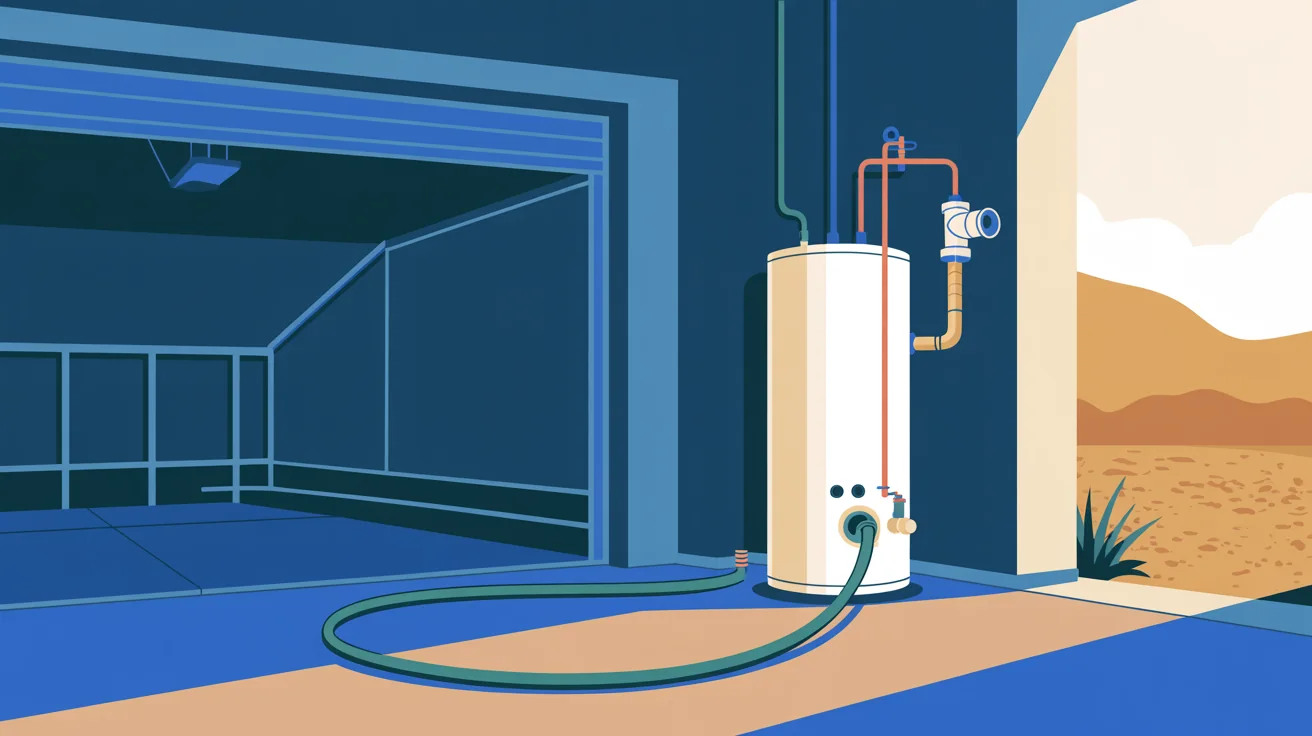
Any active leak deserves prompt investigation. Potential sources include connectors, valves, threaded fittings, the drain valve, condensate components, relief-valve discharge, recirculation piping, or the tank itself.
A leaking storage tank generally is not repaired by patching the shell. However, moisture near the tank is not proof that the tank has failed. Drying the area only when safe, noting where water first appears, and taking photos can help the technician locate the source.
Keep away from wet electrical equipment. If water is spreading toward wiring or appliances, use appropriate emergency guidance. Close a safe, accessible water shutoff only if you understand it and can reach it without entering danger.
5. Popping, rumbling, or other new sounds
Heating water and expanding metal can create normal sounds. A new, louder, or persistent noise may involve sediment, scale, boiling at heating surfaces, flow restriction, a valve, a pump, combustion, or another component.
Sound alone cannot establish that replacement is required. Note when it occurs, during firing, recovery, hot-water use, or when no fixture is running. A recording can be useful, but do not remove covers to capture it.
6. Rust-colored, cloudy, or odorous hot water
Compare hot and cold water at more than one fixture. A hot-only issue can point toward the heater, anode, hot-water piping, or stagnant water. A change on both hot and cold may originate upstream.
Color and odor are not complete safety tests. Corrosion, minerals, treatment equipment, plumbing work, or source-water changes can create similar symptoms. If health or contamination is a concern, follow utility, public-health, laboratory, or clinician guidance. JB Water & Air’s water-treatment page can explain equipment categories, but treatment should follow an identified problem.
7. Corrosion or staining on the heater and connections
Surface rust, mineral trails, green or white deposits, and staining can show that water has been escaping or that corrosion is active. The location matters. Corrosion on a replaceable connection is different from corrosion at the tank shell or a critical combustion component.
Do not scrape, tighten, or disturb badly corroded fittings without a plan to isolate water and power or fuel. A weakened component can fail when moved.
8. Error codes, repeated shutdowns, or unexplained energy changes
Modern heaters may display diagnostic codes. Record the exact code and consult the manual for that model; codes that look similar across brands may mean different things. Resetting without addressing the cause can erase useful evidence or lead to repeated unsafe operation.
A higher utility bill can prompt an inspection, but it does not diagnose the heater by itself. Weather, rates, occupancy, leaks, recirculation, appliance use, and billing periods all matter. Compare equivalent periods and look for supporting equipment symptoms.
When the situation is urgent
Leave the area and contact the gas utility or emergency services from a safe location if you smell gas or suspect carbon monoxide. Do not use switches, flames, or a phone beside a suspected gas leak. Treat scorching, damaged wiring, uncontrolled hot-water discharge, and water around energized equipment as hazards requiring appropriate professional help.
For a substantial clean-water leak, a safe shutoff may limit damage. For sewage or unknown contaminated water, keep people and pets away and use appropriate cleanup guidance.
Repair or replacement is a diagnosis, not an age rule
The decision depends on the failed part, tank integrity, installation condition, repair history, parts availability, household demand, and cost of the complete options. A generic lifespan range cannot decide whether a specific heater has one day or several years of service left.
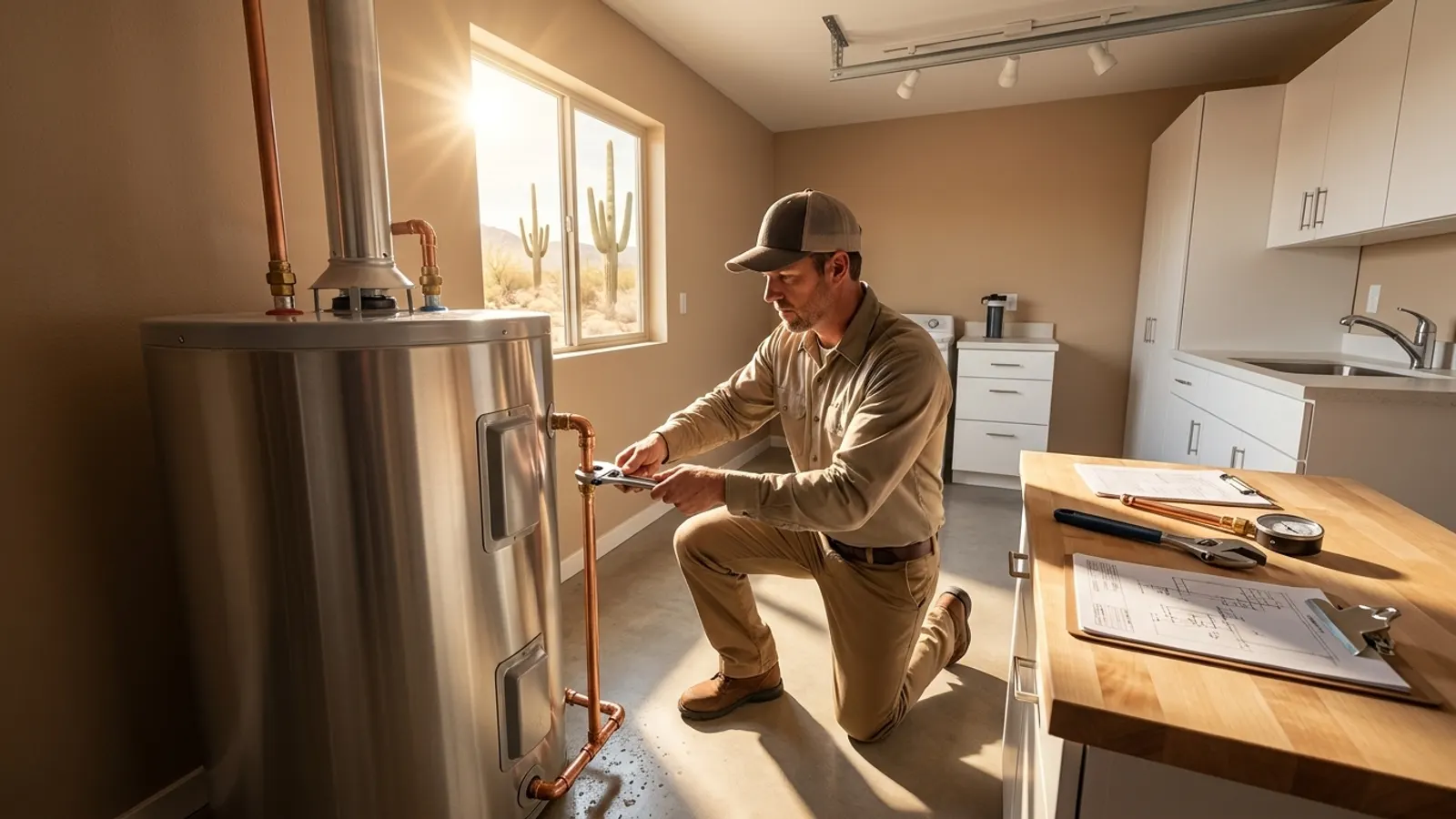
Ask the technician to identify the failure, show the evidence when practical, explain what remains old after a repair, and compare that scope with replacement. If replacement is proposed, ask about equipment sizing, fuel or electrical capacity, venting, permits, drainage, maintenance, and separate manufacturer and workmanship terms.
JB Water & Air is family owned in Mesa and has served the area since 1981. To arrange a current assessment, contact JB Water & Air with the model and serial label, fuel type, symptoms, error codes, and photos. Availability, scope, and price must be confirmed directly; no warning sign by itself guarantees that a heater is “going out.”