Water Quality5 min read
What Health Experts Actually Say About Drinking Water
A careful summary of hydration benefits, why fluid needs vary, signs that need medical attention, and what water treatment can, and cannot, claim.
By JB Water & Air · Published Nov 23, 2025 · Reviewed Sep 2, 2026
- 4.9 · 582 Google reviews
- CR-77 & CR-39 licensed
- Open 24/7
Health experts agree on the basic point: people need enough fluid for the body to function normally. They do not support the claim that one type of water cures disease, “detoxes” the body, guarantees weight loss, or works as a universal prescription for every person.
That distinction matters. Hydration is important, but the right amount varies, and plumbing or water-treatment professionals are not substitutes for medical care. This article summarizes cautious public-health guidance and separates it from equipment marketing.
What water does in the body
The Centers for Disease Control and Prevention’s hydration guidance explains that adequate water helps the body maintain normal temperature, cushion and lubricate joints, protect sensitive tissues, and remove waste through urination, perspiration, and bowel movements.
Those are normal physiological roles, not promises that drinking more than a person needs will produce extra benefit. Once fluid needs are met, more is not automatically better.
Plain water has no calories. Replacing a sugar-sweetened drink with water can reduce caloric intake, but that substitution should not be rewritten as a guaranteed weight-loss result. Body weight and health outcomes depend on many factors, and research findings about hydration and specific diseases require careful interpretation.
There is no single daily amount for everyone
The familiar “eight glasses a day” phrase is easy to remember, but it is not a personalized medical formula. Fluid needs vary with age, body size, activity, heat exposure, pregnancy or breastfeeding, diet, illness, medications, and medical conditions. Food and beverages other than plain water also contribute fluid.
Arizona heat and physical work can increase sweat losses, but that does not justify telling every Mesa resident to drink the same large amount. Long-duration exercise and heavy sweating may raise electrolyte considerations that plain-water advice alone does not address.
The National Institutes of Health hydration overview advises getting medical help for severe warning signs such as confusion, fainting, rapid breathing or heartbeat, or inability to urinate. People with kidney, heart, liver, endocrine, or fluid-balance conditions, and those taking certain medicines, should ask a clinician for individual guidance.
Thirst and urine color are clues, not complete tests
Thirst can be a useful prompt for many healthy people, and urine that becomes darker may accompany dehydration. But neither sign should be treated as a perfect measurement.
Urine color can change because of foods, supplements, medicines, and health conditions. Persistent excessive thirst or urination can also have medical causes. Older adults, young children, people who are ill, and people working or exercising in heat may need more deliberate planning.
Symptoms such as fatigue, headache, dry mouth, dizziness, or poor concentration can occur with dehydration, but they have many other possible causes. If symptoms are severe, persistent, or unexplained, seek appropriate medical advice rather than diagnosing dehydration from an article.
Can someone drink too much water?
Yes. Excessive intake over a short period can overwhelm the body’s ability to excrete water and contribute to dangerously low blood sodium. The risk is one reason “drink as much as possible” is not responsible guidance.
Anyone with confusion, seizure, severe headache, vomiting, collapse, or another acute symptom needs emergency medical evaluation. Do not try to correct a possible electrolyte disorder with a home water or salt formula.
Does the kind of water change the hydration benefit?
For most routine hydration discussions, the important issue is having potable water a person will drink as part of an appropriate plan. Tap, filtered, reverse-osmosis, softened, bottled, and distilled water differ in treatment, mineral content, taste, cost, maintenance, and waste, not in a way that supports universal disease-treatment claims.
Distilled water
Distillation separates water from many dissolved materials through evaporation and condensation. It should not be advertised as a special fat-loss, detoxification, or disease-prevention product. Equipment maintenance and clean storage remain important.
Filtered or reverse-osmosis water
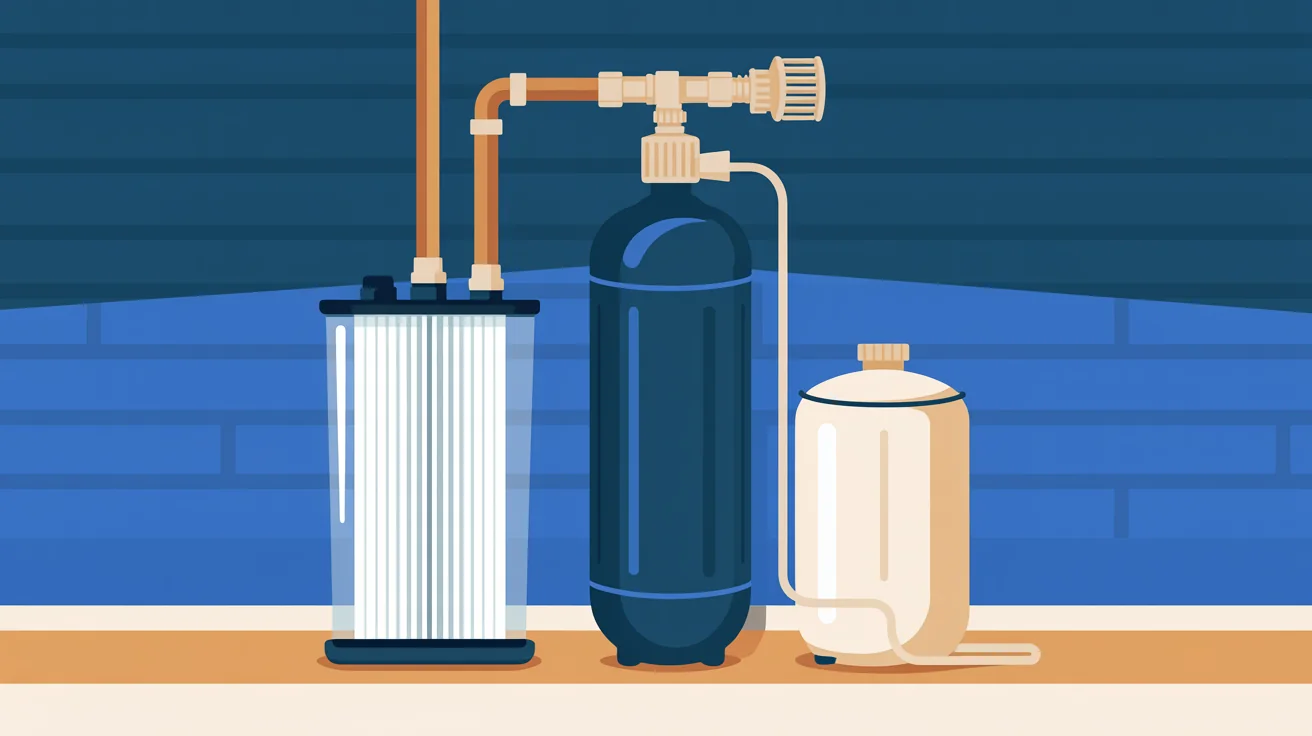
These are broad treatment categories. Any contaminant-reduction statement should be tied to the exact product, operating conditions, and documented claim. A generic filter label cannot establish that a sample is safe or that every potential contaminant is removed.
Softened water
Conventional softening addresses calcium and magnesium hardness. It changes mineral composition but is not a universal contaminant treatment. People with medically directed dietary restrictions should discuss their drinking-water choices with a clinician.
JB Water & Air’s Pure Water overview explains how household treatment methods differ. Equipment selection should begin with the water concern, not a medical promise.
Practical ways to make hydration easier
For a generally healthy person whose clinician has not restricted fluids, simple habits may help:
- keep potable water accessible during the day;
- drink with meals and when thirsty;
- plan for activity and hot conditions;
- choose water more often in place of sugar-sweetened drinks;
- pay attention to illness-related fluid loss; and
- ask a clinician for guidance when needs are unclear.
Do not use a rigid challenge or oversized bottle target as proof of health. A reasonable habit is one that fits the individual and can be adjusted when weather, activity, diet, or medical guidance changes.
Water quality and health questions require different experts
A utility provides current system notices and regulated-water information. A qualified laboratory performs specified analysis. A clinician interprets health symptoms and individual fluid needs. A plumber or water-treatment professional evaluates building plumbing and treatment equipment.
Appearance, taste, odor, a hardness strip, or a total-dissolved-solids reading cannot answer every safety question. JB Water & Air’s water and air test page can start an equipment conversation, but the current method, analytes, cost, turnaround, and interpretation must be confirmed. It should not be described as a medical or certified safety evaluation without evidence.
For household equipment, review water-treatment services and ask which specific water characteristic the proposed system is meant to address. Demand product-level support for reduction claims and a clear maintenance plan.
JB Water & Air is a family-owned Mesa plumbing and water-treatment company founded in 1981. To discuss taste, scale, treatment equipment, or an existing system, contact JB Water & Air with the water source and concern. For hydration amounts, symptoms, or medical outcomes, consult a qualified healthcare professional.