Water Heaters5 min read
Does Home Insurance Cover a Leaking Water Heater?
Coverage for a leaking water heater depends on the cause, resulting damage, policy language, exclusions, deductible, and claim requirements.
By JB Water & Air · Published Mar 17, 2026 · Reviewed Sep 2, 2026
- 4.9 · 580 Google reviews
- CR-77 licensedROC #260511 · CR-77
- Open 24/7
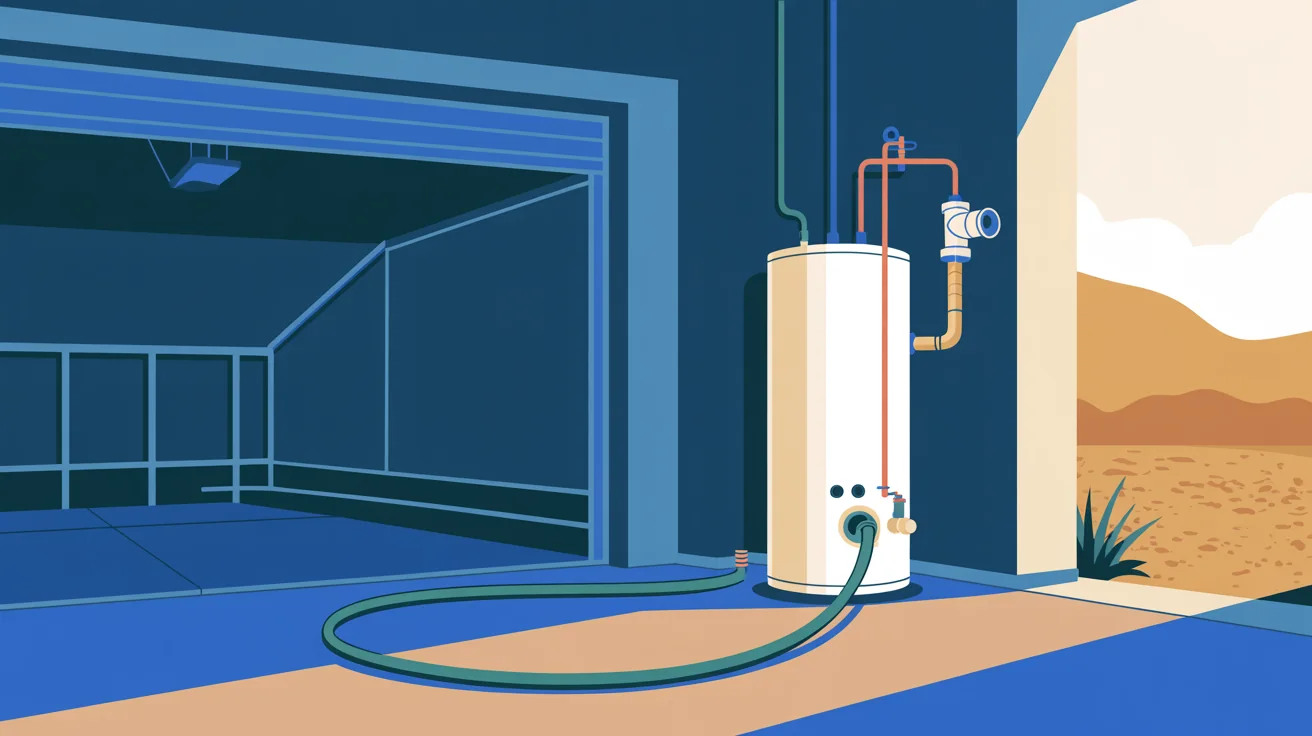
Home insurance may cover some damage resulting from a leaking water heater, but it does not automatically pay to replace the heater itself. Coverage depends on the cause of loss, policy form, exclusions, endorsements, deductible, notice requirements, maintenance history, and the insurer’s investigation.
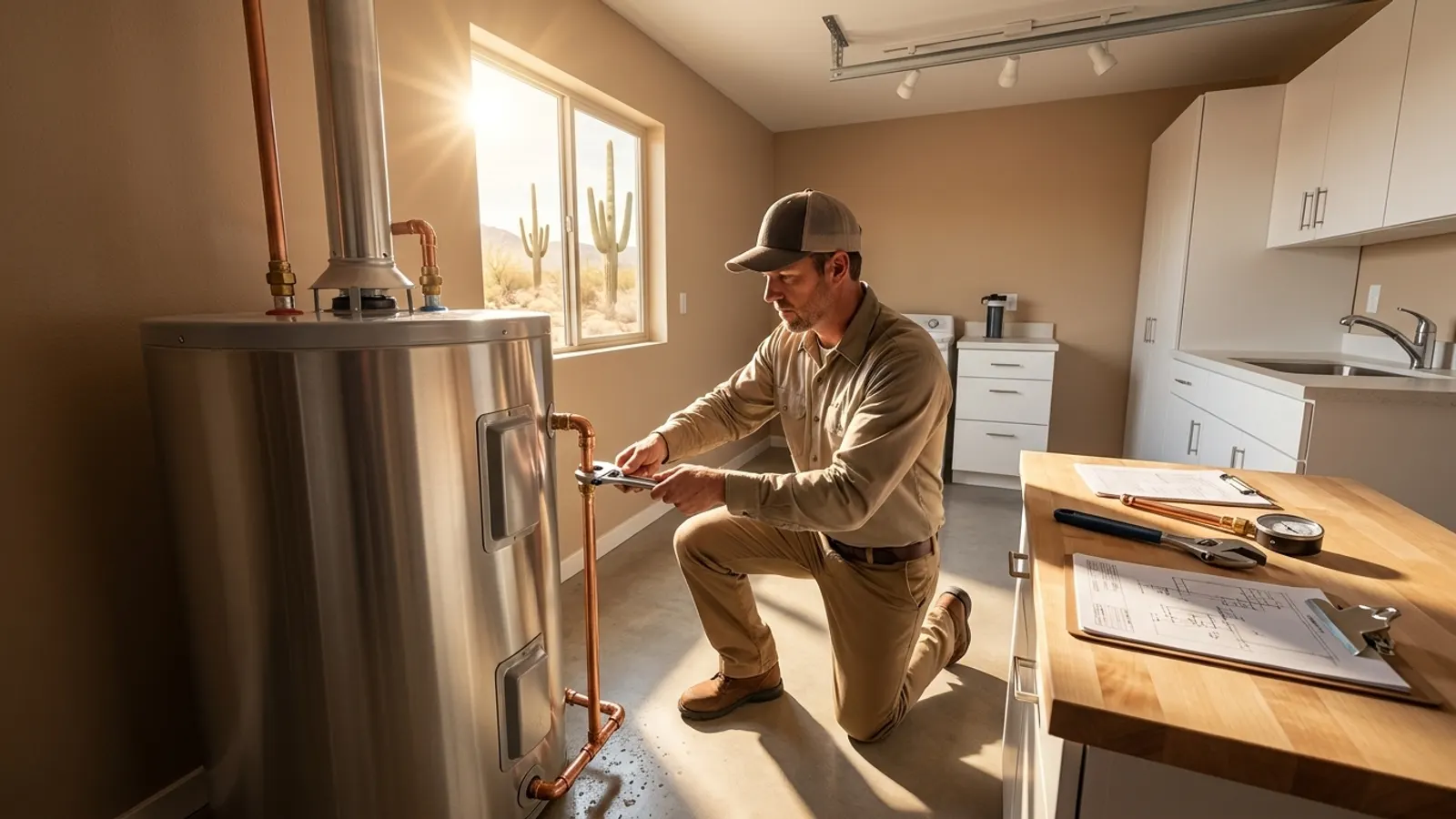
A plumber can identify the leak and prepare a repair or replacement scope. Only the insurer or another party authorized under the policy can decide coverage. This guide is educational, not a claim decision or legal advice.
For current plumbing help in Mesa, start with JB Water & Air’s water-heater service page and contact the insurer promptly.
Separate the failed heater from the resulting damage
Two categories are often confused:
- The failed equipment: the tank, valve, connector, control, or other component that leaked.
- Resulting damage: wet flooring, drywall, cabinets, contents, or other property affected by escaped water.
A policy may treat those categories differently. For example, it might address covered resulting water damage while excluding the worn-out appliance or defective part. A home warranty or equipment-breakdown endorsement may apply under different terms. None of those outcomes should be assumed before the documents are reviewed.
The Arizona Department of Insurance and Financial Institutions’ water-damage guidance says water damage not caused by flood may be covered when it results from a sudden or accidental event, while emphasizing that the policy defines what is and is not covered. The words “may” and “policy” are essential.
Cause and timing matter
Insurers commonly investigate whether the event was sudden and accidental or involved repeated leakage, wear, corrosion, deterioration, neglect, faulty installation, or another excluded cause. The exact language varies.
A tank that ruptures without a previously visible symptom can present a different claim question from a connection that dripped for months and produced staining or rot. However, only the facts and policy determine the outcome. Do not alter the timeline or ask a contractor to characterize the loss for coverage purposes.
Document when water was first noticed, what was happening, and any prior symptoms or repairs. Give the insurer accurate information and let the adjuster interpret the policy.
Take safe steps to limit additional damage
Most policies require reasonable action to protect property from further damage, but safety comes first.
- Keep away from water around energized equipment.
- If you smell gas, leave and contact the gas utility or emergency services from a safe location.
- Close a safe, accessible water shutoff if you know how and can reach it without entering danger.
- Move undamaged property only when safe.
- Contact the insurer and appropriate mitigation professionals promptly.
Do not climb into a hazardous area, touch wet electrical controls, cap a relief line, or improvise a gas shutdown. If the source is not obvious, JB Water & Air’s leak-detection page describes the plumbing category, but current scope must be confirmed.
Document before permanent repairs when practical
Take wide and close photos or video of:
- the water source and equipment location;
- the manufacturer, model, and serial label;
- wet or damaged building materials and contents;
- visible corrosion, staining, failed connections, or error codes;
- actions taken to stop water; and
- removed parts preserved when safe and allowed.
Keep receipts for emergency drying, temporary measures, plumbing, lodging, and damaged-property replacement. Maintain a log of calls, claim numbers, adjuster instructions, and contractor visits.
Emergency mitigation should not be delayed when delay will cause more damage, but ask the insurer what inspection or authorization it requires before permanent removal and reconstruction. Preserve evidence when safe; do not keep contaminated or dangerous items solely for a claim.
Questions to ask the insurance company
Use the policy number and ask:
- Is this type of resulting water damage potentially covered under my form?
- Is the water heater or failed component treated differently from resulting damage?
- What deductible applies?
- Are there limits for water, mold, code upgrades, matching materials, or emergency mitigation?
- Does an equipment-breakdown, service-line, or other endorsement apply?
- Must I use a preferred vendor, and may I choose my own contractor?
- What documentation and estimates are required?
- What can be removed now, and what evidence should be retained?
- How are emergency mitigation and permanent repairs authorized?
- What deadline applies to notice, proof of loss, or supplemental damage?
Ask for important instructions in writing. If coverage is denied or limited, request the decision and cited policy language. Arizona consumers can consult DIFI about insurance-process questions, but individual disputes may require qualified legal advice.
Maintenance records can help explain the history
Keep installation documents, model information, maintenance records, prior repair invoices, and photos. These records do not guarantee coverage, but they can help establish what was known and when.
Look periodically for moisture, rust trails, mineral deposits, active relief discharge, corroded connectors, damaged drain pans, or error codes. Follow the manufacturer’s maintenance instructions. Do not perform a risky flush, relief-valve operation, gas adjustment, or electrical repair solely to create a maintenance record.
Replacement and restoration are separate scopes
Restoring hot water, drying the structure, treating contaminated material, replacing flooring or drywall, and correcting the cause may involve different contractors. Clarify which provider is responsible for each part and who is authorizing payment.
A water-heater replacement proposal should identify the exact equipment, sizing basis, plumbing and utility changes, permits, removal, startup, maintenance, and warranty categories. Coverage uncertainty should not turn into an open-ended plumbing authorization.
JB Water & Air’s broader plumbing-services page explains its service categories. The company should not promise that an insurer will reimburse its work.
What if the property is rented or part of an association?
Renters insurance, a landlord’s policy, a condominium unit-owner policy, and an association master policy cover different interests. A lease or governing documents may also assign maintenance and notice duties.
Notify the landlord, property manager, or association as required, while also protecting people and property from immediate harm. Do not assume one party’s insurer covers another party’s equipment or belongings. Ask each responsible party which policy and claim process applies.
Get the facts before making a coverage assumption
JB Water & Air is a family-owned Mesa company founded in 1981. It can discuss plumbing conditions and an appropriate service scope; it cannot interpret or bind an insurance policy.
To arrange a current plumbing assessment, contact JB Water & Air with equipment-label photos, the leak location, when it was noticed, and the insurer’s documentation requests. Confirm availability and price directly. Contact the insurer or agent for coverage, and use qualified legal or regulatory help when a policy dispute requires it.