Water Heaters4 min read
Repair or Replace a Water Heater? A Mesa Decision Guide
Compare water-heater repair and replacement using the actual fault, tank condition, repeat history, household demand and full installation scope.
By JB Water & Air · Published Jan 7, 2026 · Reviewed Sep 2, 2026
- 4.9 · 580 Google reviews
- CR-77 licensedROC #260511 · CR-77
- Open 24/7
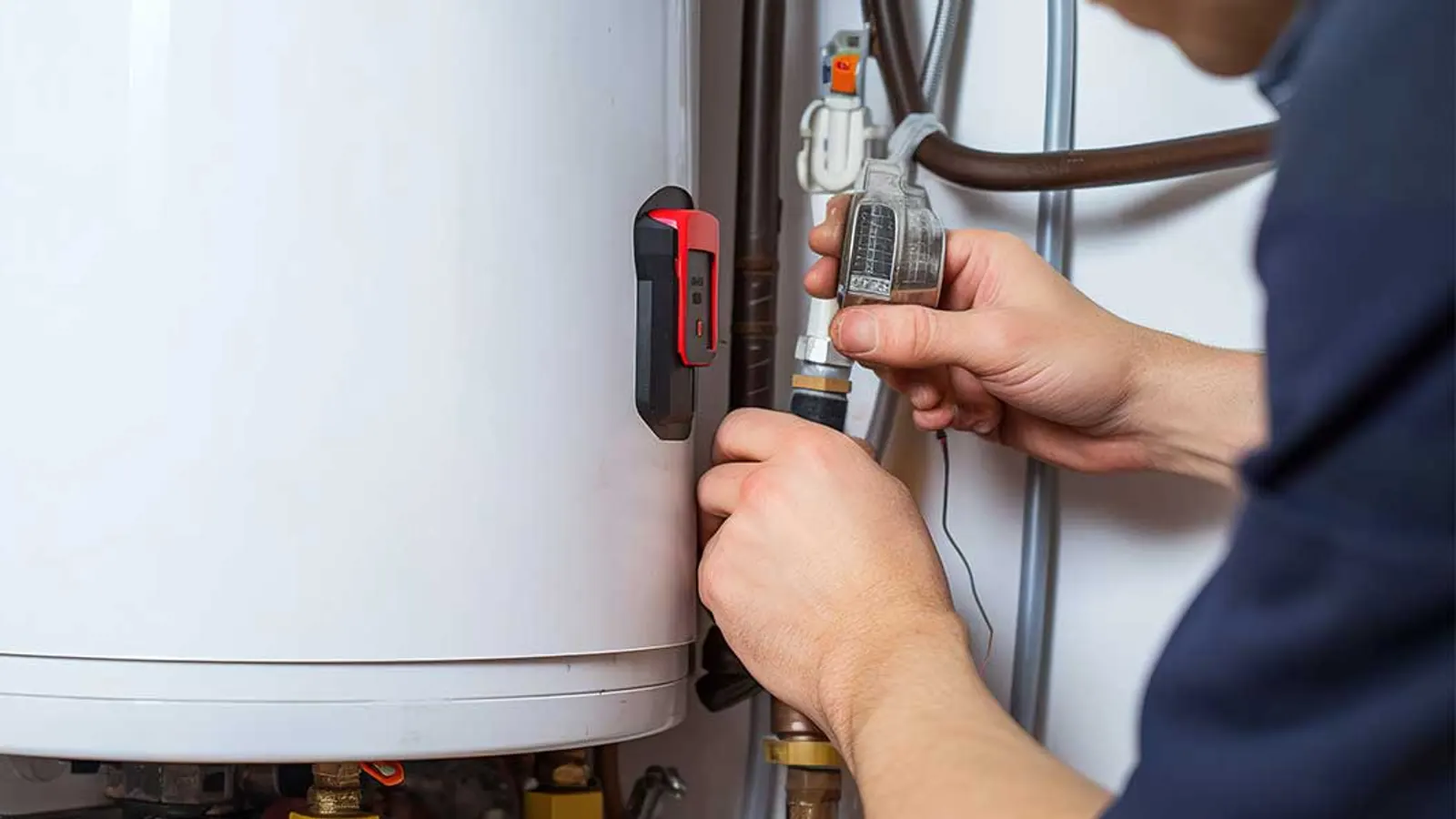
Is It Worth Repairing a Hot Water Heater?
Repair is usually worth comparing when the fault is limited, the water-containing vessel is sound, and the unit still fits the household. Replacement becomes more defensible when the tank itself leaks, failures repeat, or correcting the installation would cost nearly as much effort as installing a suitable new system.
There is no honest age-only answer. Two units of the same age can have very different conditions, maintenance histories, and installation constraints. The useful decision begins with what failed and what would remain after the repair.
Start With the Symptom
No hot water
No hot water does not automatically mean the entire heater is finished. The energy supply, controls, heating components, or another serviceable part may be involved. Record any displayed fault code and avoid repeatedly resetting the equipment.
Not enough hot water
Running out sooner than expected can reflect changing household demand, temperature settings, recovery performance, sediment, a component problem, or a system that was never sized for current use. A repair may restore expected output; a replacement discussion should still explain the demand used to select capacity.
Water around the heater
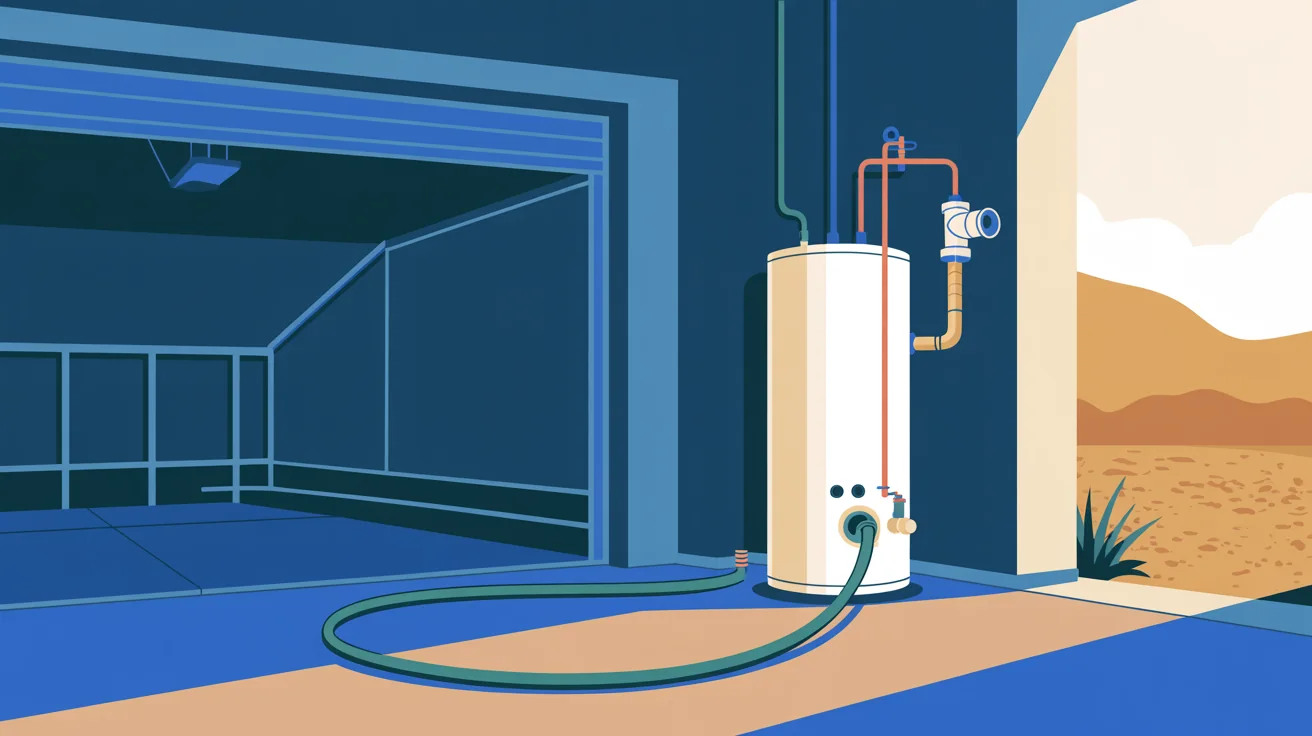
The first question is where the water originates. A connection, valve, drain, accessory, or nearby plumbing leak can differ significantly from water escaping through the tank body. If water is actively spreading, close the unit's supply when it is safe and accessible. Keep away from wet electrical equipment.
Noise, odor, or discolored hot water
These symptoms need comparison at hot and cold fixtures. If only hot water is affected, the heater becomes a stronger suspect. Sound or discoloration alone does not identify the failed component.
For the full service scope, see water heater repair in Mesa.
Five Questions That Decide Repair Versus Replacement
1. Is the vessel intact?
A leaking connection may be repairable. A tank body that has failed is a different decision because replacing an external part does not restore the vessel.
2. Is the problem isolated?
One serviceable component can support repair. Several faults, visible corrosion, or a history of repeated work can shift the comparison toward replacement.
3. Does the current unit meet demand?
Repairing a system that was consistently undersized may restore it to the same unsatisfactory performance. Describe simultaneous showers, laundry, dishwashing, and other hot-water use so capacity is based on the property rather than a generic rule.
4. What else must change for replacement?
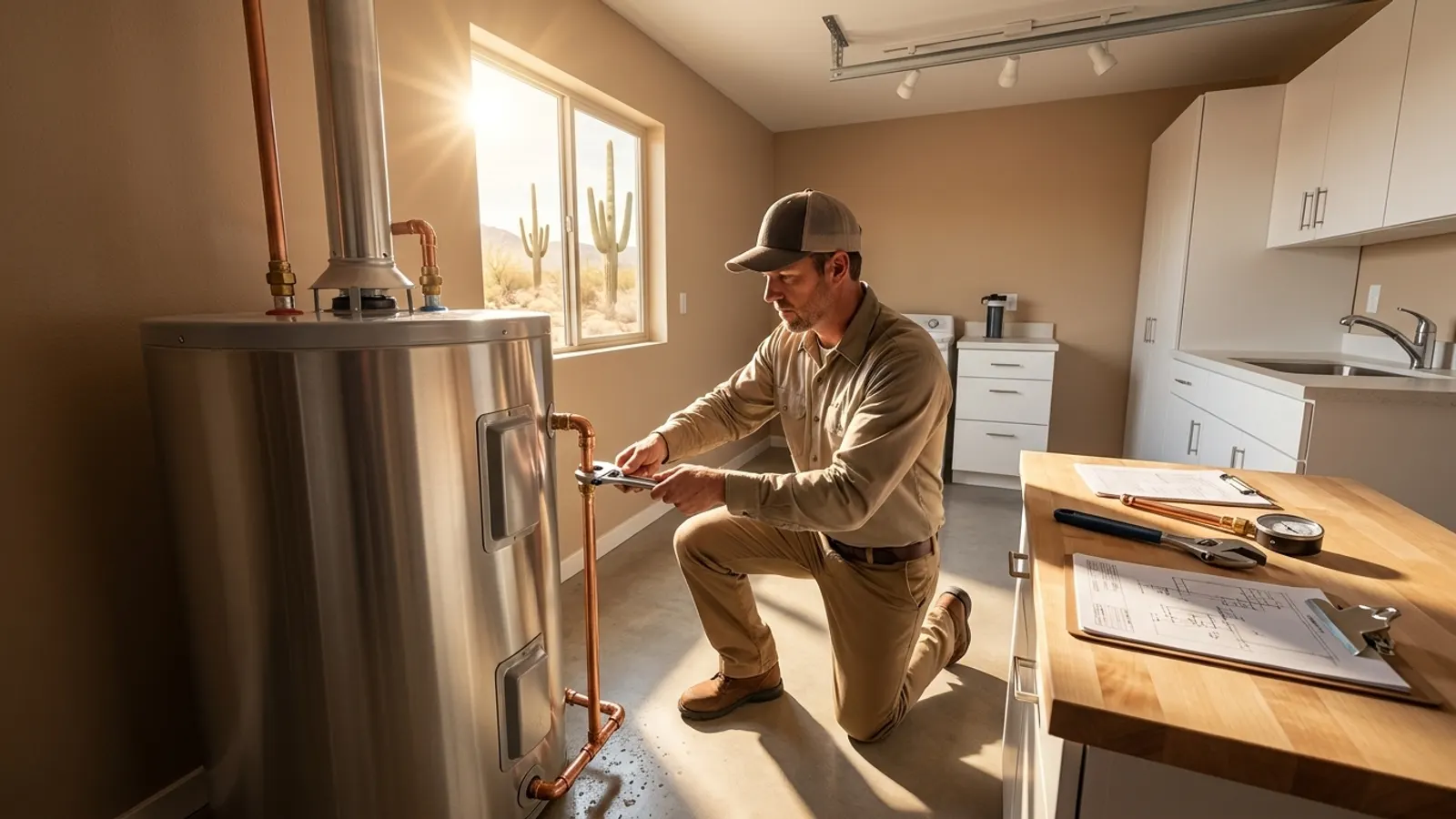
Replacement may involve more than the heater. Dimensions, access, water connections, drain arrangements, electrical capacity, gas supply, and venting where applicable can affect the project. If gas piping changes, include gas line planning before equipment is selected.
5. What is included in each scope?
Compare repair and replacement on complete written scopes. A replacement proposal should identify the equipment, removal, connections, permit or inspection responsibilities, startup checks, manufacturer coverage, and excluded finish work. JB Water & Air does not publish a universal price or instant online estimate.
Tank Versus Tankless Is a Separate Choice
A storage-tank heater keeps a set volume ready. A tankless system heats water as it flows. Neither label guarantees lower cost, endless output, or better performance in every property.
Tankless planning should consider peak demand, gas or electrical capacity, venting where applicable, water conditions, service access, and conversion work. A like-for-like tank replacement can be simpler, but it still needs correct capacity and installation.
Do not let a repair decision become an equipment upsell by default. First decide whether the existing unit is repairable. Then compare system types only if replacement is genuinely on the table.
How Mesa Water Conditions Enter the Decision
Minerals can leave scale in heaters and fixtures. Maintenance and flushing may address sediment in a serviceable unit, but they cannot repair a leaking tank or guarantee that another failure will not occur.
Water treatment is also a separate decision. A softener, filtration system, reverse-osmosis unit, or distiller should be selected around a defined water concern and maintenance plan, not added automatically to a heater quote. Review Mesa water treatment options if scale or drinking-water goals affect the household.
What to Ask the Plumber
- What failed, and what evidence supports that diagnosis?
- Is the tank or heat exchanger itself sound?
- Which parts and labor are included in repair?
- What other condition could make the repair short-lived?
- How was replacement capacity selected?
- Does the replacement require gas, electrical, venting, drain, platform, or access changes?
- What is covered by manufacturer terms versus workmanship coverage?
JB Water & Air warrants its own labor on the plumbing work it performs, water-heater work included, for two years and returns to make failed work right at no cost. The guarantee excludes normal wear, manufacturer defects, and damage from outside causes, so it is not a promise that equipment will never fail. Keep the job documents with the manufacturer paperwork.
Safety Comes Before the Cost Comparison
If water is reaching electrical equipment, keep clear and use the appropriate disconnect only if it can be reached safely. If you smell gas, leave the area and contact the gas utility or emergency services from a safe location. Do not operate switches or use a flame while investigating.
JB Water & Air is open 24 hours a day, 7 days a week, at (480) 969-3193. Arrival timing and completion timing must be confirmed by phone.
The Practical Answer
Repair a serviceable heater when the fault is defined and the remaining system still makes sense. Replace when the vessel has failed, defects are accumulating, or the installation no longer meets the property's needs. The best proposal will make that reasoning visible instead of relying on age, urgency, or a headline price.
To request an on-site evaluation, use the contact page or call (480) 969-3193 with the system type, symptoms, fault codes, leak location, and visible model information.