Water Quality5 min read
Arizona Water Contamination: A Practical Response Guide
Learn how to respond to an Arizona water-quality concern, distinguish utility water from home plumbing issues, and choose appropriate testing.
By JB Water & Air · Published Nov 23, 2025 · Reviewed Sep 2, 2026
- 4.9 · 580 Google reviews
- CR-77 & CR-39 licensed
- Open 24/7
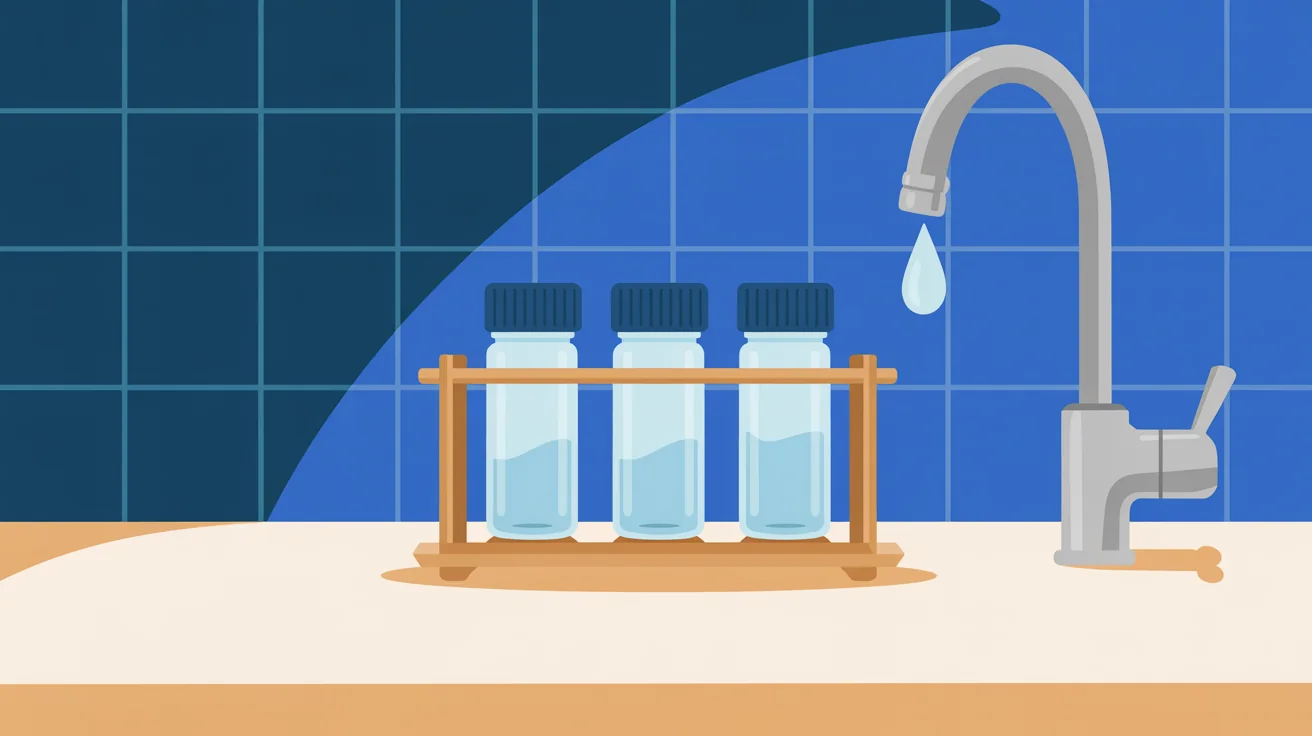
“Water contamination” can describe very different situations: a public notice affecting a utility system, a private-well issue, material entering a building’s plumbing, or a taste, odor, or color change with no identified cause. The right response depends on which situation you actually have.
No website article can determine whether a specific sample is safe. That conclusion requires current information about the water source and, when appropriate, sampling performed and interpreted by qualified organizations. This guide helps Arizona households identify the right first call and avoid choosing treatment before the concern is defined.
Start with the water source
Public water system
If a utility supplies the property, look for current notices from that utility and the relevant government agency. A utility notice should describe the affected area, the issue under investigation, the instructions customers should follow, and when updated information will be provided.
Follow the notice itself. Do not assume that boiling, filtering, flushing, or using a refrigerator cartridge is the correct response to every contaminant. Boiling can address some biological situations when an authority directs it, but it does not remove every chemical and can concentrate some dissolved materials as water evaporates.
Private well
Private-well owners are generally responsible for managing their own sampling and maintenance, but the exact requirements and recommended tests depend on location, well conditions, nearby activity, and current agency guidance. A change after flooding, construction, loss of pressure, or well service may call for a different response than routine monitoring.
Contact the appropriate county or state environmental-health resource or a qualified laboratory for a sampling plan. A water-treatment salesperson should not be the only authority deciding what health-related analysis is needed.
Plumbing inside the property
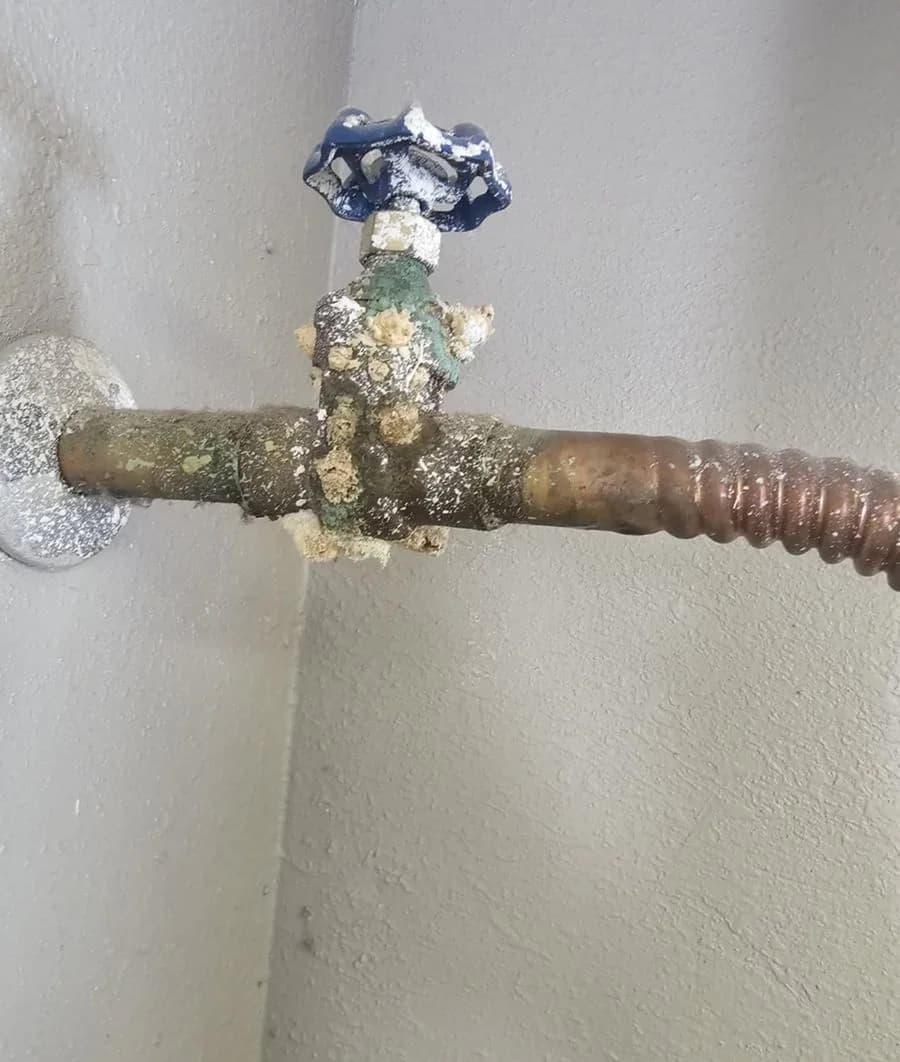
When only one fixture, only hot water, or only one building is affected, the source may be within the property. Corrosion, a water heater, a treatment device, a cross-connection, stagnant plumbing, a failing supply component, or recent work can change water after it passes the utility connection.
Comparing hot and cold water, multiple fixtures, and a nearby property on the same utility can provide useful clues. Those comparisons do not replace testing, but they help a plumber or utility understand the pattern. JB Water & Air’s Mesa plumbing overview describes the company’s local plumbing and water-treatment scope.
What appearance, taste, and odor can tell you
A sudden change deserves attention, but sensory clues are not a safety test.
- Cloudiness can sometimes be entrained air, sediment, or another condition.
- Metallic, earthy, chlorine-like, sulfur-like, or musty odors can have multiple sources.
- Blue-green, orange, brown, or black staining may involve plumbing materials, minerals, corrosion, or other causes.
- Particles may come from utility work, a water heater, a deteriorating component, filter media, or deposits in the plumbing.
Some hazardous substances have no obvious taste, odor, or color. Conversely, an unpleasant aesthetic issue is not automatically proof of a health hazard. Avoid publishing or accepting a definitive “safe” or “unsafe” conclusion based only on a photo, smell, handheld hardness strip, or total-dissolved-solids reading.
What to do when the change is sudden
- Pause questionable use when warranted. If there is an official notice, suspected chemical entry, illness concern, or dramatic unexplained change, follow agency or clinician guidance rather than experimenting.
- Check current official notices. Confirm the service address and water provider; city boundaries and utility boundaries are not always identical.
- Document the pattern. Note the time, fixtures affected, hot versus cold, recent plumbing or utility work, treatment equipment, and whether neighbors see the same change.
- Preserve evidence carefully. Do not collect a laboratory sample in a random household container. Ask the laboratory for containers, preservation, flushing, and delivery instructions before sampling.
- Call the appropriate specialist. The utility addresses distribution-system information; a qualified laboratory performs specified analysis; a plumber investigates building plumbing; and a clinician or public-health agency handles health questions.
For a broken pipe, backflow concern, or other plumbing failure that may be introducing material, review plumbing services and call with the exact symptoms. If you suspect gas, sewage exposure, or an immediate medical emergency, move to safety and use the appropriate emergency channel.
Testing should answer a defined question
“Test my water for everything” is not a practical sampling plan. Laboratories offer different panels, methods, reporting limits, and certifications. The useful starting point is a hypothesis grounded in the source, property, symptom, and official guidance.
Ask these questions before collecting a sample:
- Which analytes are appropriate for this source and concern?
- Is the laboratory qualified or certified for the needed analysis?
- Where and when should the sample be collected?
- Must treatment equipment be bypassed or sampled separately?
- What container, preservation, and delivery time are required?
- Who is qualified to interpret the result against the correct standard?
JB Water & Air publishes a water and air test page, but it should be treated as a conversation starter. Confirm the current method, measurements, cost, turnaround, and limits before scheduling. A basic home assessment is not automatically equivalent to certified contaminant analysis.
Match treatment to the identified concern
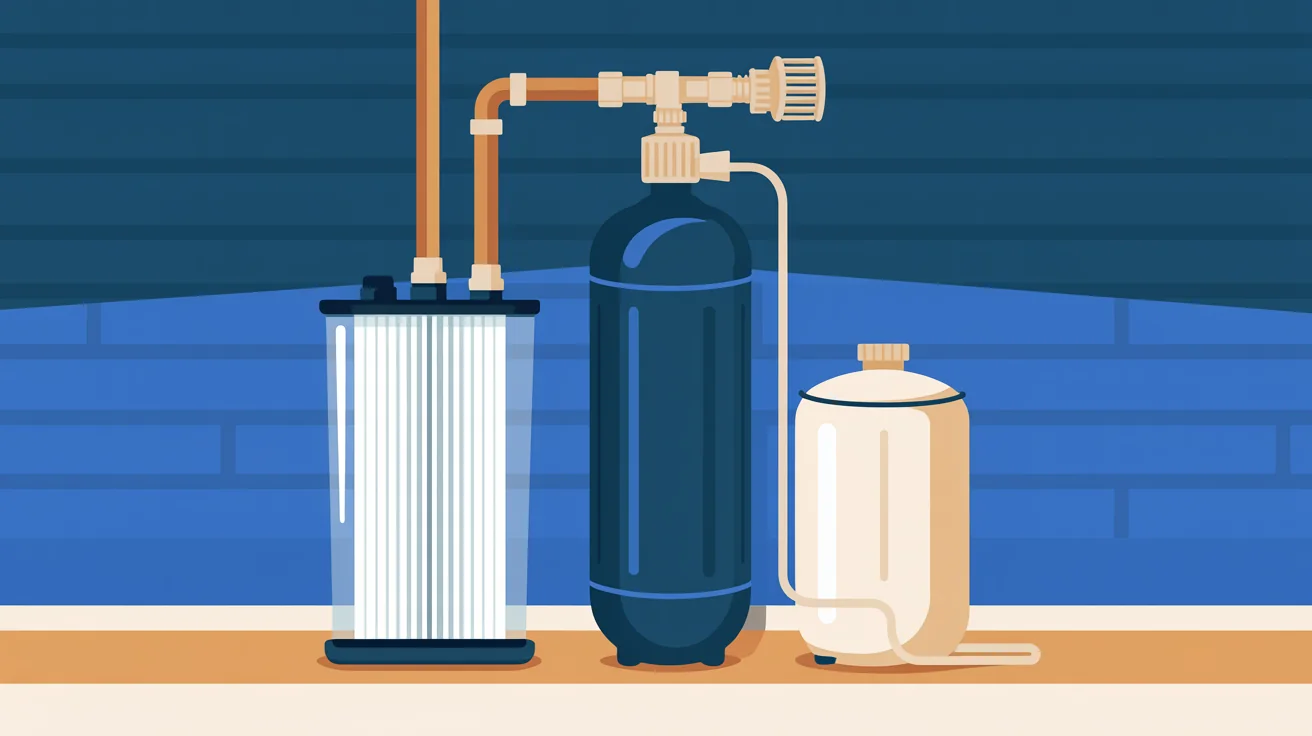
Different equipment performs different jobs. A softener targets hardness minerals. Sediment filtration addresses particles within its design range. Activated carbon, reverse osmosis, ultraviolet treatment, and distillation each have distinct use cases and limitations. No single device should be assumed to remove every contaminant.
Review the exact model’s documented performance, operating conditions, capacity, maintenance, waste stream, and replacement schedule. Treatment may also require pre-treatment or plumbing changes. The water-treatment service page explains these categories without treating them as interchangeable.
A careful next step for Mesa and the East Valley
JB Water & Air has been family owned in Mesa since 1981 and works in plumbing and water treatment. That history does not substitute for a laboratory result or official public-health notice. It does mean the company can discuss whether a property-level plumbing or treatment assessment is within its current scope.
To start that conversation, contact JB Water & Air with the service address, water provider, affected fixtures, existing equipment, and any official notice or laboratory report. For safety determinations, continue to rely on the responsible utility, qualified laboratory, public-health agency, or clinician.